By Caleb Morgan
Updated November 2026
Finding the best running shoes for fallen arches comes down to support, stability and fit. Flat or collapsing arches let the foot roll inward with each stride, so the right shoe should control that motion without feeling stiff. The picks below were selected from product listings, brand specifications and common owner feedback, with a focus on arch structure, stability features and cushioning. This is research-based guidance, not hands-on testing.
Our top picks at a glance
- 1
 TOP CHOICEBest overallBrooks Women's Adrenaline GTS 25 Running ShoeView on Amazon
- 2
 TOP CHOICEBest for neutral-to-stability cushioningBrooks Men's Revel 8 Running ShoeView on Amazon
- 3
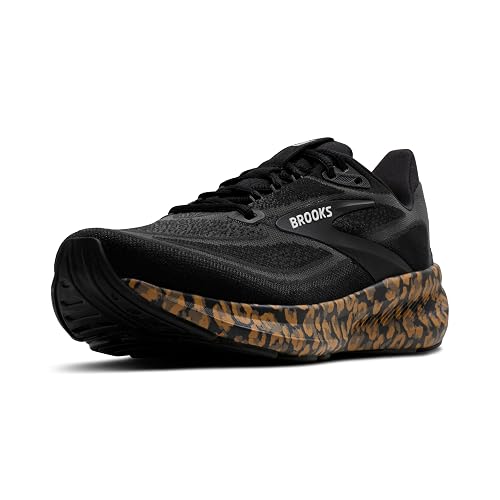 TOP CHOICEBest for everyday walking and runningBrooks Women's Revel 9 Running ShoeView on Amazon
- 4
 Best for plantar fasciitis reliefOrthoComfoot Women's Orthopedic Road Running ShoesView on Amazon
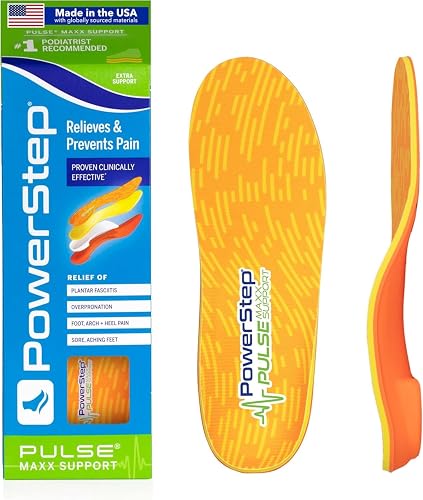
- 5Best added support for your current shoesVALSOLE Heavy Duty Support Pain Relief OrthoticsView on Amazon
Our Top Picks
Quick Comparison
| Product | Best for | Key feature |
|---|---|---|
| Brooks Women’s Adrenaline GTS 25 Running Shoe | Overall stability | Guidance support system |
| Brooks Women’s Revel 9 Running Shoe | Everyday running | Lightweight cushioned ride |
| OrthoComfoot Women’s Orthopedic Road Running Shoes | Plantar fasciitis relief | Built-in arch support |
| VALSOLE Heavy Duty Support Pain Relief Orthotics | Adding support to any shoe | High arch insert design |
| Brooks Men’s Revel 8 Running Shoe | Men needing light stability | Soft, responsive cushioning |
Brooks Women’s Adrenaline GTS 25 Running Shoe
Brooks Women's Adrenaline GTS 25 Running Shoe
Best for: Overall stability
This suits women who overpronate or have flexible flat feet and want a stability shoe that still feels smooth on longer runs. Brooks markets its guidance system as a way to support the foot without a rigid post.
Pros
- Guidance support designed to limit excess inward roll
- Cushioning that stays comfortable over longer distances
Cons
- Heavier than neutral daily trainers
Brooks Women’s Revel 9 Running Shoe
Brooks Women’s Revel 9 Running Shoe
Best for: Everyday running
A good fit for runners with mild arch collapse who want a lighter, flexible shoe for regular road miles. Owners often describe it as comfortable straight out of the box.
Pros
- Lightweight build for easy daily mileage
- Flexible forefoot that suits varied stride patterns
Cons
- Less structured support than dedicated stability models
OrthoComfoot Women’s Orthopedic Road Running Shoes
OrthoComfoot Women's Orthopedic Road Running Shoes,Comfortable Arch Support Plantar Fasciitis Sports Sneakers, Casual Orthotic Supportive Athletic Walking Shoes for Foot & Heel Pain Relief
Best for: Plantar fasciitis relief
Designed for women whose main concern is heel and arch pain during walking or light running. The listing emphasizes orthopedic arch support and a supportive heel cup.
Pros
- Arch support built into the shoe itself
- Marketed specifically for heel and foot pain relief
Cons
- Not a performance racing or speed shoe
VALSOLE Heavy Duty Support Pain Relief Orthotics
Best for: Adding support to any shoe
Useful if you already own running shoes you like and want to correct arch collapse without replacing them. Insoles of this type are commonly used by people with flat feet or plantar fasciitis.
Pros
- Fits a wide range of shoes, including work boots
- Listed with a high weight capacity and shock absorption
Cons
- Fit depends on shoe volume, so check the trim and depth
Brooks Men’s Revel 8 Running Shoe
Brooks Men’s Revel 8 Running Shoe
Best for: Men needing light stability
A practical option for men with flexible flat feet who want a softer, more responsive ride for regular training. It is a neutral-leaning choice, so check your arch behavior before buying.
Pros
- Soft cushioning suitable for daily runs
- Responsive feel that many owners find comfortable
Cons
- Limited motion control for severe overpronation
Buying Guide
Arch support level
Fallen arches often need a firm midfoot that resists collapse. Look for a stability design or a built-in arch contour rather than a flat, soft midsole.
Motion control versus cushioning
Stability shoes limit inward roll, while cushioned shoes absorb impact. If you overpronate noticeably, prioritize control; if you only have mild flattening, cushioning may be enough.
Fit and heel stability
A snug heel and a roomy toe box help prevent the foot from sliding and rolling. Try shoes in the afternoon, when feet are slightly larger.
Replaceable insoles
Removable insoles let you add custom or over-the-counter orthotics. Confirm the shoe has enough internal volume before buying an insert.
Good picks for this: Brooks Women’s Adrenaline GTS 25 Running Shoe, VALSOLE Heavy Duty Support Pain Relief Orthotics
Related reading
- Women's Trail Running Shoes ASICS: 3 Best Picks for Every Trail (2026)
- Winter Running Trail Shoes: 6 Best Picks for Cold, Wet Trails (2026)
- Trail Running Shoes for Overpronators: 6 Best Picks for Every Trail (2026)
- Trail Running Shoes for Mixed Terrain: 6 Best Picks for Every Trail (2026)
- Trail Running Shoes Vibram: 3 Best Picks for Every Trail (2026)
About Caleb Morgan
Caleb Morgan is part of our editorial team and reviews and edits our running gear & races guides, checking product details against manufacturer specifications and owner feedback.