
 By Caleb Morgan
Updated November 2026
Choosing shoes for distance running comes down to cushioning, stability, weight and how well the shoe fits your stride over long miles. The five picks below were selected from product listings, brand specifications and common owner feedback, with a focus on road running and everyday mileage. Where a pick suits a specific need, we say so.
Best overall: Nike Men’s Run Defy Road Running Shoes – View on Amazon
Best for stability: Brooks Men’s Hyperion Max 3 Neutral Running Shoe – View on Amazon
Best for daily training: Brooks Men’s Revel 8 Running Shoe – View on Amazon
Best for max cushioning: ASICS Men’s Gel-Nimbus 28 Running Shoes – View on Amazon
Best for a lightweight feel: Under Armour Men’s Velociti Pace Running Shoes – View on Amazon
Our Top Picks
Quick Comparison
| Product | Best for | Key feature |
|---|---|---|
| Nike Men’s Run Defy Road Running Shoes | Overall road mileage | Balanced daily cushioning |
| Brooks Men’s Revel 8 Running Shoe | Daily training runs | Soft, versatile ride |
| Brooks Men’s Hyperion Max 3 Neutral Running Shoe | Stability on long runs | Neutral support and cushion |
| ASICS Men’s Gel-Nimbus 28 Running Shoes | Maximum cushioning | Plush, protective midsole |
| Under Armour Men’s Velociti Pace Running Shoes | Faster paced efforts | Light, responsive feel |
Nike Men’s Run Defy Road Running Shoes
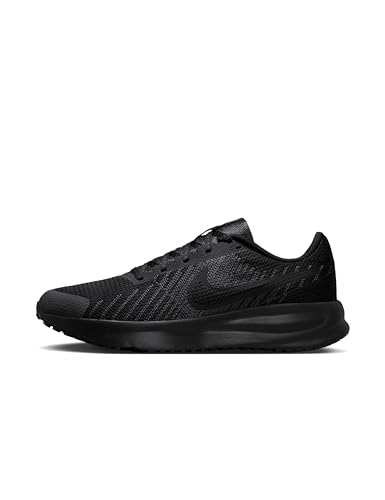
Nike Men's Run Defy Road Running Shoes, Black/Anthracite, 11
Best for: Overall road mileage
This shoe suits runners who want one pair for most of their weekly miles without a specialized feel. Its balanced cushioning is a sensible starting point for many distance runners.
Pros
- Versatile cushioning for easy and steady runs
- Straightforward, everyday fit
Cons
- Less specialized than dedicated stability or max-cushion models
Brooks Men’s Revel 8 Running Shoe

Brooks Men’s Revel 8 Running Shoe
Best for: Daily training runs
This is a practical choice for runners building weekly volume who want a soft, adaptable ride. It works well as a main trainer for consistent mileage.
Pros
- Comfortable ride for everyday miles
- Friendly to a wide range of stride types
Cons
- Not built for maximum support on heavy overpronation
Brooks Men’s Hyperion Max 3 Neutral Running Shoe

Brooks Men's Hyperion Max 3 Neutral Running Shoe
Best for: Stability on long runs
This neutral shoe fits runners who want extra cushioning for long efforts without added motion control. It is a fit for those running higher weekly distances.
Pros
- Generous cushioning for long runs
- Neutral design suits many stride patterns
Cons
- Heavier feel than lightweight trainers
ASICS Men’s Gel-Nimbus 28 Running Shoes

ASICS Men's Gel-Nimbus 28 Running Shoes
Best for: Maximum cushioning
This model appeals to runners who prioritize a plush underfoot feel on high-mileage days and recovery runs. It is commonly chosen by those who want comfort above all else.
Pros
- Plush cushioning for long, slow distance
- Well-established line with a reliable reputation
Cons
- Can feel bulky for faster efforts
Under Armour Men’s Velociti Pace Running Shoes

Under Armour Men's Velociti Pace Running Shoes
Best for: Faster paced efforts
This lighter option suits runners who want a responsive feel for tempo runs and faster sessions. It is less suited to very high daily volume.
Pros
- Light, responsive feel for quicker paces
- Good match for tempo and interval days
Cons
- Less cushioning than max-cushion models
Buying Guide
Cushioning level
Cushioning determines how much impact reaches your legs over long miles. Runners logging high weekly volume often prefer more padding, while those doing shorter, faster runs may want a firmer feel.
Support and stride type
Neutral shoes suit runners with balanced motion, while stability models add guidance for those who roll inward. If you are unsure, a gait analysis at a specialty running store can help.
Weight and responsiveness
Lighter shoes can feel quicker at tempo pace but usually offer less protection on long runs. Heavier trainers often feel more forgiving for easy mileage.
Fit and sizing
Running shoes typically need about a thumb’s width of space at the toe. Try shoes later in the day when feet are slightly swollen, and wear the socks you run in.
Good picks for this: Brooks Men’s Hyperion Max 3 Neutral Running Shoe, ASICS Men’s Gel-Nimbus 28 Running Shoes
FAQ
How often should I replace distance running shoes?
Many manufacturers suggest replacing running shoes roughly every 300 to 500 miles, though this varies by model and runner. Worn midsoles and uneven tread are good signs it is time.
Do I need stability shoes for distance running?
Not necessarily. Stability shoes are designed for runners who overpronate, and many runners do well in neutral models. A running specialist or podiatrist can help you decide.
Related reading
- 7 Best Ultra Running Trail Shoes for Long Distance Trail Runs (2026)
- 7 Best Running Shoes for Long Distance Runs (2026)
- 6 Best Ultramarathon Trail Running Shoes for Long-Distance Trails (2026)
About Caleb Morgan
Caleb Morgan is part of our editorial team and reviews and edits our running gear & races guides, checking product details against manufacturer specifications and owner feedback.


