By Emily Parker
Updated November 2026
Looking for a raide lf 2l running belt that holds your phone, keys and fluids without bouncing? This list compares six running belts across capacity, fit, bounce control and water carrying. The criteria are listed below so you can match a belt to how far and how often you run. You may also like 6 Best Raide UL 1L Running Belts for Every Run (2026).
Selection criteria: pocket capacity, fit and adjustability, bounce resistance, water bottle compatibility and how well each belt suits everyday runs.
Note: This comparison is based on product listings, brand information and common owner feedback. We did not test these products ourselves.
Our top picks at a glance
- 1
 TOP CHOICEBest overallMinimalist UL 1L Running BeltView on Amazon
- 2
 TOP CHOICEBest for phone securityFitgriff Running Belt for Men & WomenView on Amazon
- 3
 TOP CHOICEBest for hydrationLightweight Waist Pack for Running, Hiking, TrainingView on Amazon
- 4
 Best for trail runningOsprey Duro Dyna LT BeltView on Amazon
- 5
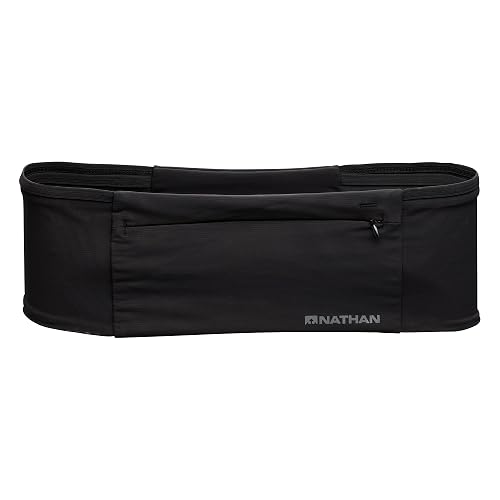 Best for bounce controlNathan Zipster Max Running BeltView on Amazon
- 6
 Best for longer outingsSalomon Unisex Pulse Trail Running Storage BeltView on Amazon
Our Top Picks
Quick Comparison
| Product | Best for | Key feature |
|---|---|---|
| Minimalist UL 1L Running Belt | Minimal everyday runs | Lightweight, close-fitting design |
| Fitgriff Running Belt for Men & Women | Phone and key security | Secure jogging pouch |
| Lightweight Waist Pack for Running | Hydration on the go | Includes 250ml collapsible bottle |
| Osprey Duro Dyna LT Belt | Trail and hiking runs | Stable fit on uneven ground |
| Nathan Zipster Max Running Belt | Bounce-free carrying | Extra large zipper pocket |
| Salomon Pulse Trail Storage Belt | Longer outings and gear | Expanded storage capacity |
Minimalist UL 1L Running Belt
Minimalist UL 1L Running Belt keeps essentials close on the move UL 1L Running Belt – Raide | Minimalist UL 1L Running Belt keeps essentials close on the move
Best for: Minimal everyday runs where you only need a phone, a key and a gel.
This belt suits runners who want to carry essentials without adding weight or bulk to a short route.
Pros
- Light, low-profile fit
- Keeps essentials close to the body
Cons
- Limited room for larger phones or extra layers
Fitgriff Running Belt for Men & Women
Fitgriff Running Belt for Men & Women – Secure Jogging Pouch for Phone, Keys & Essentials – For All Cell Phones
Best for: Keeping a phone and keys secure during jogs and walks.
Owners often describe this as a simple, unisex option for runners who mostly want a secure pouch for daily items.
Pros
- Secure closure for phones and keys
- Works for both men and women
Cons
- Not designed for carrying a water bottle
Lightweight Waist Pack for Running, Hiking, Training
Lightweight Waist Pack for Running, Hiking, Training – L Running Belt for Men Women with 250ml Collapsible Water Bottle
Best for: Runners who want hydration and storage in one belt.
This waist pack includes a 250ml collapsible bottle, which suits shorter sessions where water is the main extra.
Pros
- Includes a collapsible 250ml water bottle
- Good for running, hiking and training
Cons
- 250ml may not be enough for runs over 90 minutes
Osprey Duro Dyna LT Belt
Osprey Duro Dyna LT Belt for Running
Best for: Trail and hiking runs on uneven terrain.
Osprey is known for packs built for movement, and this belt is aimed at runners who need a stable fit off the pavement.
Pros
- Stable fit on trails and slopes
- Built by a well-established outdoor brand
Cons
- Can feel more substantial than a road-only belt
Nathan Zipster Max Running Belt
Nathan Zipster Max Running Belt, Running Belts for Women and Men, Bounce-Free Waist Pack with Extra Large Zipper Pocket, Smartphone Storage, Walking, Gym, Hiking
Best for: Runners who are bothered by bounce and want gear held firmly in place.
The extra large zipper pocket and bounce-free design suit runners carrying a larger phone or several small items.
Pros
- Extra large zipper pocket
- Designed to limit bounce during runs
Cons
- Larger pocket adds some bulk to the waist
Salomon Unisex Pulse Trail Running Storage Belt
Salomon Unisex Pulse Trail Running Storage Belt – Black – XL
Best for: Longer outings where you need room for food, layers and extra gear.
This storage belt suits runners who plan for more than a phone and keys on each outing.
Pros
- Good storage capacity for longer runs
- Well-known trail running brand
Cons
- Bulkier than minimalist options
Buying Guide
Check the actual capacity
A “2L” label usually refers to the total storage volume of the belt. Pack your usual items and see whether they fit before you commit to a size.
Look at how the belt fits your waist
Most belts use adjustable straps. Snug is better than loose, since a belt that shifts while you run causes bounce and chafing.
FAQ
What does the Raide LF 2L running belt hold?
The Raide LF 2L is designed to carry essentials like a phone, keys, gels and a small amount of fluid while you run. Its 2L label refers to the listed capacity, so check the product listing for the exact pocket layout before you buy. Compare that against what you typically carry on a run.
Will a running belt bounce while I run?
Bounce depends on the belt’s fit, how tightly it is cinched and how heavy the load is. Belts with a snug, adjustable waistband and a well-placed pocket tend to move less. Adjusting the belt so it sits low and flat on your hips usually helps the most.
Can I carry a water bottle in a running belt?
Some belts include a bottle holder or pocket sized for a soft flask or collapsible bottle, while others only fit small handheld containers. Look for a belt that lists water bottle compatibility if hydration is a priority on longer runs. Filling the bottle partway can also reduce sloshing and movement.
Is a running belt better than an armband for a phone?
A belt keeps the weight centered on your body and leaves your arms free, which many runners prefer for longer distances. An armband can be more convenient for a phone alone and is often lighter. Your choice comes down to how much you carry and how you like to run.
How should a running belt fit?
The belt should sit snugly around your waist without digging in, usually at or just below the hip bones. It should stay in place when you change direction or speed up. Test the fit with the pockets loaded, since the balance can change once you add items.
Are running belts suitable for hiking or walking too?
Many running belts also work for walking, hiking and gym sessions, since they keep small items accessible without a backpack. Consider the terrain and how much you plan to carry, as a dedicated hydration pack may suit longer hikes better. Check each product’s listed uses before deciding.
Conclusion
If you want a belt for short, everyday runs with just a phone and keys, a minimalist option like the UL 1L is a simple, light choice. Runners who carry more gear or want water on longer routes should look at the larger pocket and bottle-friendly designs such as the Nathan and Osprey belts.
For a balance of storage, fit and general versatility, the Raide LF 2L and similar mid-size belts fit most runners well. Match the capacity to your typical run length and what you need to carry, and you will have a belt that stays put and keeps your essentials close.
Related reading
- Whirlpool Duet Dryer Belt Squeaks While Running: 5 Causes and Fixes
- What Size Treadmill Belt for Running? Length, Width and How to Check
- What Is a Running Belt Used For? Uses, Types and Tips (2026)
- Types of Running Hydration Belt: 4 Styles and Who Each Suits
- Treadmill Running Belt Replacement: A Step-by-Step Guide (2026)
- Treadmill Running Belt Adjustment: A Step-by-Step Guide for Beginners
About Emily Parker
Emily Parker is part of our editorial team and reviews and edits our running gear & races guides, checking product details against manufacturer specifications and owner feedback.