
 By Caleb Morgan
Updated November 2026
Running shoes for marathon runners need to do more than feel good for the first few miles. They have to hold up over 20-mile long runs, support tired legs late in a race, and fit well enough that your feet don’t fall apart by mile 18. The seven shoes below were selected by reviewing product listings, brand positioning, and recurring owner feedback about cushioning, stability, weight and durability. We did not test these shoes ourselves.
Our top picks at a glance
- 1
 TOP CHOICEBest overallBrooks Men’s Revel 8 Running ShoeView on Amazon
- 2
 TOP CHOICEBest for race day speedRunning Shoes for Men and Women, Carbon Plate Road Running ShoesView on Amazon
- 3
 TOP CHOICEBest for lightweight racingANTA Men’s C202 6 Carbon Plate Marathon Running Racing ShoesView on Amazon
- 4
 Best for marathon training volumeCarbon Plate Running Shoes for Men and Women, Dual Full-Length CarbonView on Amazon
- 5
 Best for overpronation supportBrooks Men’s Hyperion 3 Neutral Running ShoeView on Amazon
- 6
 Best for a responsive daily trainerUnder Armour Men's Charged+ Assert 11 Running ShoesView on Amazon
- 7
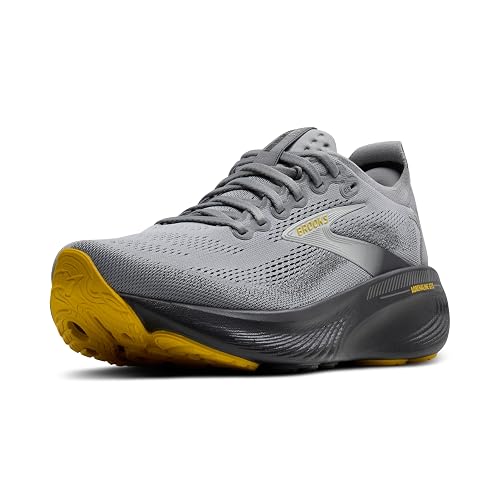 Best for stability on long runsBrooks Men's Adrenaline GTS 25 Running ShoeView on Amazon
Our Top Picks
Quick Comparison
| Product | Best for | Key feature |
|---|---|---|
| Brooks Men’s Revel 8 Running Shoe | Overall marathon training | Soft, versatile cushioning |
| Running Shoes for Men and Women, Carbon Plate Road Running Shoes | Race day speed | Carbon plate propulsion |
| ANTA Men’s C202 6 Carbon Plate Marathon Running Racing Shoes | Lightweight racing | Light rebound midsole |
| Carbon Plate Running Shoes for Men and Women, Dual Full-Length Carbon Plates | Marathon training volume | Dual full-length plates |
| Brooks Men’s Hyperion 3 Neutral Running Shoe | Overpronation support | Guided, supportive fit |
| Under Armour Men’s Charged+ Assert 11 Running Shoes | Responsive daily trainer | Charged cushioning |
| Brooks Men’s Adrenaline GTS 25 Running Shoe | Stability on long runs | Guidance support system |
Brooks Men’s Revel 8 Running Shoe
Brooks Men’s Revel 8 Running Shoe
Best for: Overall marathon training
This shoe suits runners who want one pair for easy miles, workouts and long runs without a lot of fuss.
Pros
- Balanced cushioning for varied training days
- Generally comfortable out of the box, according to owner feedback
Cons
- Less snappy than dedicated racing shoes
Running Shoes for Men and Women, Carbon Plate Road Running Shoes
Running Shoes for Men and Women, Carbon Plate Road Running Shoes
Best for: Race day speed
Built for runners who plan to push their pace in the second half of a marathon and want a firmer, faster feel.
Pros
- Carbon plate design aimed at efficient toe-off
- Lightweight build for quicker turnover
Cons
- Firmer ride may feel harsh on very easy days
ANTA Men’s C202 6 Carbon Plate Marathon Running Racing Shoes
ANTA Men’s C202 6 Carbon Plate Marathon Running Racing Shoes, Ultra-Light Rebound Running Sneakers
Best for: Lightweight racing
A good fit for experienced marathoners who prioritize low weight and a responsive rebound at race pace.
Pros
- Ultra-light construction for race efficiency
- Rebound-focused midsole
Cons
- Less suited to high-mileage training weeks
Carbon Plate Running Shoes for Men and Women, Dual Full-Length Carbon Plates with TPEE Midsole
Carbon Plate Running Shoes for Men and Women, Dual Full-Length Carbon Plates with TPEE Midsole, Lightweight Road Racing Shoes for Marathon Training, Long Distance Running and Speed Workouts
Best for: Marathon training volume
Suited to runners logging higher weekly mileage who still want a performance-oriented shoe for quality sessions.
Pros
- Dual full-length plates for a stable, propulsive feel
- TPEE midsole aimed at durable energy return
Cons
- Heavier-feeling than minimalist racers
Brooks Men’s Hyperion 3 Neutral Running Shoe
Brooks Men’s Hyperion 3 Neutral Running Shoe
Best for: Overpronation support
Aimed at runners who need guidance without a heavy, rigid structure over 26 miles.
Pros
- Supportive feel for runners who roll inward
- Smooth transitions through the stride
Cons
- Fit may run snug for wide feet
Buying Guide
Cushioning and Stack Height
Marathon training involves a lot of miles, so cushioning matters for protecting your legs over long runs. Softer, thicker midsoles can help reduce fatigue, but they may feel less stable for some runners. Think about whether you prefer a plush ride for easy miles or a firmer feel for quicker efforts.
Stability and Foot Support
Your gait and arch shape play a big role in which shoe will feel right. Neutral shoes suit runners who don’t overpronate, while stability shoes add support for those who do. If you are unsure, a visit to a specialty running store can help you find the right fit.
Weight and Race Day Speed
Lighter shoes can feel more responsive when you pick up the pace, which is why many runners save them for race day or speed workouts. Heavier daily trainers often offer more durability and comfort for the bulk of your mileage. Many marathoners rotate between a training shoe and a lighter option.
Durability and Fit
Marathon training wears shoes down quickly, so look for a outsole and upper that can handle high mileage. Fit matters just as much as features, so check for enough room in the toe box and a secure heel. Try shoes on later in the day, when your feet are slightly swollen, to get the most accurate fit.
FAQ
How many miles should marathon running shoes last?
Many runners replace running shoes somewhere around 300 to 500 miles, though this varies with body weight, running style and terrain. Watch for signs of wear such as a flattened midsole, worn tread or new aches in your legs or feet. Rotating two pairs can help extend the life of each.
Should I buy a carbon plate shoe for my first marathon?
Carbon plate shoes are designed to be fast and efficient, which can appeal to runners of all levels. However, they are often best for race day or faster workouts rather than every run. Beginners may prefer a comfortable daily trainer for most of their training.
Do I need a stability shoe if I overpronate?
Stability shoes are commonly recommended for runners who overpronate, since they add support to help control inward foot movement. Comfort and how your feet feel during runs are also important signs. A running specialist can help you assess your gait if you are not sure.
Should I go a half size up for long runs?
Many runners find their feet swell during long runs, so sizing up a half size is a common choice. Make sure there is enough room in the toe box without the heel slipping. Test shoes with the socks you plan to wear on race day.
Can I use the same shoes for training and racing?
You can, but many marathoners use a durable trainer for most runs and a lighter pair for races or speed sessions. Using your race shoes only for key workouts can help them last longer. Break in any new shoe gradually before race day.
Conclusion
If you want a dependable daily trainer for high mileage, the Brooks options and the Under Armour pick are worth a closer look, especially if you need a specific support level. Runners chasing faster times on race day may lean toward the carbon plate models from ANTA or the lightweight road racing shoes with dual plates.
Choose based on your gait, your training volume and whether you need one shoe for everything or a pair to rotate. Trying shoes on in person or checking the return policy can help you feel confident before your next long run.
Related reading
- Running Shoes vs Trail Runners (2026): Which Is Better for Your Runs?
- Is a High-Stack Running Shoe Stable? What Runners Should Know
- 7 Best Running Shoes for Runners of Every Need (2026)
- 7 Best Running Shoes for Road Runners (2026)
- 7 Best Running Shoes for Flat Feet Runners (2026): Our Picks Compared
About Caleb Morgan
Caleb Morgan is part of our editorial team and reviews and edits our running gear & races guides, checking product details against manufacturer specifications and owner feedback.


