
 By Caleb Morgan
Updated November 2026
Finding the right vj trail running shoes starts with knowing what you actually need from a pair: how rugged your routes are, how much cushioning you want on long descents, whether your feet run narrow or wide, and how much protection you need from rocks and roots. This guide compares seven widely available trail models from well-established brands, judged on specifications, brand reputation, and the patterns owners tend to describe in their feedback. Each pick is matched to a specific need so you can narrow the field quickly.
Our top picks at a glance
- 1
 TOP CHOICEBest overallALTRA Women's Lone Peak 8 Trail Running ShoeView on Amazon
- 2
 TOP CHOICEBest for wide, cushioned runsSaucony Women's Excursion Tr15 Trail Running ShoesView on Amazon
- 3
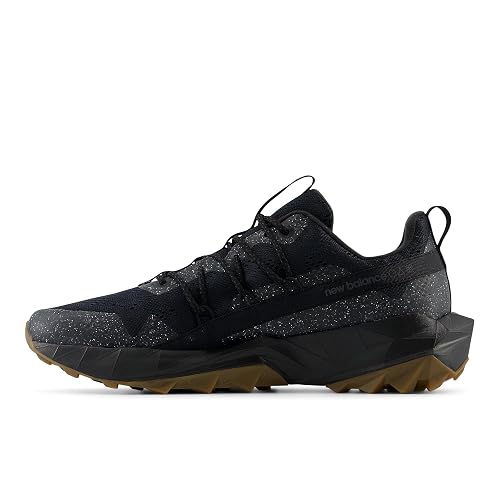 TOP CHOICEBest for suede comfort and a soft feelNew Balance Men's Dynasoft Tektrel V1 Suede Trail Running ShoesView on Amazon
- 4
 Best for technical, rocky terrainASICS Men's Trabuco MAX 5 Trail Running ShoesView on Amazon
- 5
 Best budget pickASICS Men's Gel-Venture 11 Trail Running ShoesView on Amazon
- 6
 Best for women who want max cushioning on long runsBrooks Women's Caldera 8 Ultra Trail Running ShoeView on Amazon
- 7
 Best for everyday trail trainingNew Balance Men's Fresh Foam 410v9 Trail Running ShoeView on Amazon
How We Selected These Picks
We narrowed the field using four criteria. First, terrain fit: does the outsole and midsole suit mixed dirt, rocky singletrack, or softer groomed paths? Second, fit range: does the model come in widths or a roomy toe box that accommodates a range of foot shapes? Third, protection and cushioning: is there a midsole stack and underfoot protection appropriate for long efforts? Fourth, brand and owner feedback: do the brands have a track record in trail footwear, and do owners consistently describe comfort, grip, and durability in the same ways? None of this involved physical testing on our end. Treat specifications as manufacturer-stated and check them against the listing before you buy.
Our Top Picks
Quick Comparison
| Product | Best for | Key feature |
|---|---|---|
| ALTRA Women’s Lone Peak 8 Trail Running Shoe | Best overall | Zero-drop platform with a roomy toe box |
| Saucony Women’s Excursion Tr15 Trail Running Shoes | Wide, cushioned runs | Soft cushioning for longer efforts |
| New Balance Men’s Dynasoft Tektrel V1 Suede Trail Running Shoes | Suede comfort | Soft suede upper with a comfortable feel |
| ASICS Men’s Trabuco MAX 5 Trail Running Shoes | Technical, rocky terrain | Supportive build for rough ground |
| ASICS Men’s Gel-Venture 11 Trail Running Shoes | Budget pick | Versatile trail grip for everyday use |
| Brooks Women’s Caldera 8 Ultra Trail Running Shoe | Max cushioning on long runs | Plush midsole for extended distances |
| New Balance Men’s Fresh Foam 410v9 Trail Running Shoe | Everyday trail training | Fresh Foam cushioning for daily miles |
ALTRA Women’s Lone Peak 8 Trail Running Shoe
ALTRA Women's Lone Peak 8 Trail Running Shoe
Best for: Best overall
This is a strong starting point for runners who want a natural-feeling trail shoe with plenty of room at the forefoot. It suits runners who have adapted to or want to move toward a zero-drop platform and who run mixed trails with moderate technical sections.
Key specs
- Zero-drop platform (equal heel and forefoot height)
- Designed with a wide, anatomical toe box
- Lugged outsole for trail grip
Pros
- Roomy forefoot that many owners describe as comfortable on longer runs
- Zero-drop geometry encourages a midfoot strike for those who transition carefully
- Trail traction that owners generally rate as dependable on dry and moderately wet ground
Cons
- Zero-drop feel requires a gradual transition, especially for heel strikers
- Less underfoot protection than maximally cushioned models on very rocky descents
Bottom line: A good pick for runners who want a roomy, natural platform and are willing to ease into zero drop.
Saucony Women’s Excursion Tr15 Trail Running Shoes
Saucony Women's Excursion Tr15 Trail Running Shoes
Best for: Wide, cushioned runs
This model fits runners who want a softer, more protective ride for longer trail outings. It is a reasonable choice for those with broader feet who prioritize comfort over a minimal feel.
Key specs
- Cushioned midsole for longer runs
- Lugged outsole for trail traction
- Available in standard and wider fit options on many retailers
Pros
- Cushioning that owners often describe as forgiving on long, uneven routes
- Traction that handles dirt, gravel, and light mud reasonably well
- Fit that many owners with broader feet find accommodating
Cons
- Heavier feel than lighter trail racers, which some runners notice on climbs
- Softer midsole can feel less responsive on fast, technical descents
Bottom line: Choose this if comfort and cushioning matter more to you than a light, racing-style shoe.
New Balance Men’s Dynasoft Tektrel V1 Suede Trail Running Shoes
New Balance Men's Dynasoft Tektrel V1 Suede Trail Running Shoes
Best for: Suede comfort and a soft feel
The suede upper gives this shoe a softer, more broken-in feel from the start. It suits runners who value a plush, comfortable fit on moderate trails.
Key specs
- Suede upper construction
- Trail-oriented outsole
- Cushioned midsole for everyday trail miles
Pros
- Soft suede upper that owners often describe as comfortable right out of the box
- Good for moderate trails and mixed surfaces
- Cushioning that works well for steady, moderate-distance runs
Cons
- Suede can take on water and dirt, so drying and cleaning need attention in wet conditions
- Less aggressive lugs than dedicated technical trail shoes
Bottom line: A comfortable option for moderate trails if you do not regularly run through deep mud or wet, technical ground.
ASICS Men’s Trabuco MAX 5 Trail Running Shoes
ASICS Men's Trabuco MAX 5 Trail Running Shoes
Best for: Technical, rocky terrain
The Trabuco line is aimed at runners who regularly encounter rocks, roots, and uneven footing. It is built to feel supportive when the trail gets rough.
Key specs
- Trail-focused lugged outsole
- Supportive build for uneven ground
- Protective underfoot construction
Pros
- Stable platform that owners often credit on rocky descents
- Grip that holds up on loose, technical surfaces
- Protective feel for runners who want more underfoot security
Cons
- Firmer, more structured feel than softer cushioned models
- Can feel heavy on fast, runnable trails
Bottom line: Pick this if your routes are rocky and technical and stability matters more than a light, springy ride.
ASICS Men’s Gel-Venture 11 Trail Running Shoes
ASICS Men's Gel-Venture 11 Trail Running Shoes
Best for: Budget pick
The Gel-Venture line has a long reputation as an accessible trail option. It suits runners who want dependable trail performance without a premium price tier.
Key specs
- Trail outsole with multidirectional lugs
- Gel cushioning in the heel area
- Lightweight build for general trail use
Pros
- Versatile grip for dirt, gravel, and light trail conditions
- Gel cushioning that many owners find comfortable for everyday runs
- Good entry point for runners new to trail footwear
Cons
- Less protective than premium technical models on very rocky ground
- Durability on abrasive surfaces may not match higher-end options
Bottom line: A sensible choice for beginners and budget-conscious runners on moderate trails.
Brooks Women’s Caldera 8 Ultra Trail Running Shoe
Brooks Women’s Caldera 8 Ultra Trail Running Shoe
Best for: Max cushioning on long runs
This shoe is for women who want a plush, protective ride on extended trail runs and ultras. It emphasizes underfoot comfort over minimalism.
Key specs
- Maximum cushioning midsole
- Trail outsole designed for varied terrain
- Built for longer distances
Pros
- Cushioning that owners often describe as comfortable on long efforts
- Stable feel on varied trail surfaces
- Traction suited to a range of trail conditions
Cons
- Heavier than lighter trail trainers, which can matter on steep climbs
- Thick midsole may feel less responsive on fast, technical sections
Bottom line: A strong fit for women running long, comfort-focused trail distances.
New Balance Men’s Fresh Foam 410v9 Trail Running Shoe
New Balance Men's Fresh Foam 410v9 Trail Running Shoe
Best for: Everyday trail training
The Fresh Foam 410 line is aimed at runners who train on trails several times a week and want a balanced, reliable shoe for daily mileage.
Key specs
- Fresh Foam cushioning
- Trail lug pattern for mixed surfaces
- Designed for regular training volume
Pros
- Balanced cushioning that suits steady training runs
- Traction that works across dirt, gravel, and light mud
- Comfortable everyday fit that owners often describe as reliable
Cons
- Not as aggressive in outsole grip as dedicated mud or technical shoes
- Limited protection compared with maximal-cushion or rock-plate models
Bottom line: A dependable daily trainer for runners who mostly cover moderate trails.
Buying Guide
Outsole Lug Depth and Pattern
Lug depth determines how well a shoe bites into loose or soft ground. Shallow lugs (roughly 2–3 mm) suit packed dirt and gravel, while deeper, more widely spaced lugs (4 mm and up) help in mud and on loose scree. Check whether the lug pattern is designed for multidirectional grip, since trails rarely run in a single direction.
Good picks for this: ASICS Men’s Trabuco MAX 5 Trail Running Shoes, ASICS Men’s Gel-Venture 11 Trail Running Shoes
Cushioning and Midsole Stack
Stack height is the thickness of foam between your foot and the ground. Thicker stacks reduce impact on long runs and hard descents but can feel less stable on technical ground. Lighter, thinner stacks give a closer feel to the trail but demand more from your legs over distance. Match the stack to your typical run length.
Good picks for this: Brooks Women’s Caldera 8 Ultra Trail Running Shoe, Saucony Women’s Excursion Tr15 Trail Running Shoes
Fit, Width, and Toe Box Room
Trail shoes often need a little more room than road shoes to allow for foot swelling on long runs and descents. Check the toe box for forefoot splay and look for models that offer wider versions if your feet are broad. Aim for roughly a thumb’s width of space in front of your longest toe when you stand on a downhill slope in the shop.
Good picks for this: ALTRA Women’s Lone Peak 8 Trail Running Shoe, Saucony Women’s Excursion Tr15 Trail Running Shoes We also found 6 Best Avia Trail Running Shoes for Every Trail (2026) useful on this point.
Drop and Heel-to-Toe Geometry
Drop is the height difference between heel and forefoot, usually listed in millimeters. Zero-drop shoes place both at the same height and suit runners transitioning to a more natural stride. Higher-drop shoes are common in traditional trainers. If you change drop too quickly, calf and Achilles strain can follow, so increase exposure gradually.
Good picks for this: ALTRA Women’s Lone Peak 8 Trail Running Shoe, New Balance Men’s Fresh Foam 410v9 Trail Running Shoe
Protection From Rocks and Roots
Rock plates and reinforced midsoles protect your feet from sharp objects. If your routes are rocky, look for a plate or firm underfoot layer. Note that protection usually adds weight and reduces flexibility, so balance it against how technical your terrain really is.
Good picks for this: ASICS Men’s Trabuco MAX 5 Trail Running Shoes, Brooks Women’s Caldera 8 Ultra Trail Running Shoe
Upper Materials and Water Management
Mesh uppers breathe well and drain quickly but let in grit and water. Suede and leather-style uppers feel soft and protect better against brush but hold moisture and take longer to dry. Consider where you run most often and whether you need breathability or abrasion resistance.
Good picks for this: New Balance Men’s Dynasoft Tektrel V1 Suede Trail Running Shoes, New Balance Men’s Fresh Foam 410v9 Trail Running Shoe
Durability and Care
Trail shoes wear faster than road shoes because of abrasion from rock and grit. Rinse off mud after runs, avoid machine drying, and air-dry away from direct heat. Rotating two pairs can extend the life of both. Expect outsole wear to be most visible on the heel and forefoot edges. Worth reading next: 7 Best Karhu Trail Running Shoes for Every Trail (2026).
Good picks for this: ASICS Men’s Gel-Venture 11 Trail Running Shoes, New Balance Men’s Fresh Foam 410v9 Trail Running Shoe
FAQ
Are vj trail running shoes good for beginners?
Many trail shoes in this range suit beginners, especially models with moderate cushioning and versatile grip, such as the ASICS Gel-Venture line. Start with moderate trails and build up gradually.
How do I know what size to buy in trail running shoes?
Trail shoes often need about a thumb’s width of space in front of your longest toe, and some runners size up slightly for descents. Try shoes on later in the day when feet are slightly swollen, and wear the socks you plan to run in.
Do I need a rock plate?
A rock plate is useful if you regularly run over sharp, uneven rock. For smoother dirt and gravel, a standard midsole is usually enough. Protection adds weight, so only choose it when your terrain calls for it.
What is zero drop and is it right for me?
Zero drop means the heel and forefoot sit at the same height. It can encourage a more natural stride but requires a gradual transition. If you have calf or Achilles issues, consult a physical therapist or sports medicine professional before changing your drop.
How long do trail running shoes last?
Lifespan depends on terrain, body weight, and how often you run. Many runners replace trail shoes once the outsole lugs are noticeably worn or the midsole feels flat. Check your shoes periodically rather than relying on a fixed mileage number.
Can I use trail shoes on the road?
You can, but trail shoes are firmer and grippier than road shoes and may feel less smooth on pavement. Many runners use them for short road sections without issue, but regular road running is better served by road-specific models.
Conclusion
Choosing the right vj trail running shoes comes down to matching the shoe to your terrain, run length, and foot shape. For a roomy, natural platform, the ALTRA Lone Peak 8 is a solid starting point. For comfort on long runs, the Saucony Excursion Tr15 and Brooks Caldera 8 Ultra offer more cushioning. For rocky, technical ground, the ASICS Trabuco MAX 5 gives extra stability. Budget-conscious beginners will find the ASICS Gel-Venture 11 a sensible choice, and runners wanting a suede feel can look at the New Balance Dynasoft Tektrel. For everyday trail training, the New Balance Fresh Foam 410v9 is a balanced option. Check each listing’s specifications and fit notes before buying.
Sources
- Consumer product safety guidance on footwear and recalls, useful for checking product safety notices (cpsc.gov)
- Research summaries on running injury, footwear, and biomechanics (nih.gov)
- Position guidance from the American College of Sports Medicine on exercise and training load (acsm.org)
Related reading
- Zegama 2 Trail Running Shoes: Fit, Traction, and Who They Suit (2026)
- Xero Trail Running Shoes: Fit, Traction, and How to Choose a Pair
- Women's Trail Running Shoes ASICS: 3 Best Picks for Every Trail (2026)
- Women's New Balance Trail Running Shoes: How to Choose the Right Pair
- Women's Merrell Trail Running Shoes?
- Winter Running Trail Shoes: 6 Best Picks for Cold, Wet Trails (2026)
About Caleb Morgan
Caleb Morgan is part of our editorial team and reviews and edits our running gear & races guides, checking product details against manufacturer specifications and owner feedback.


