
 By Caleb Morgan
Updated November 2026
Men’s road to trail running shoes are built for runners who split their week between pavement and dirt, and who want one pair that handles both without feeling wrong on either surface. The right choice depends on how much technical terrain you run, how wide your feet are, and whether you need extra protection against wet conditions. The picks below are chosen on published specifications, brand reputation and common owner feedback patterns. None of them were tested in a lab or on our own trails, and the details reflect what manufacturers specify and what owners often report.
Our top picks at a glance
- 1
 TOP CHOICEBest overallNew Balance Men's Fresh Foam 410v9 Trail Running ShoeView on Amazon
- 2
 TOP CHOICEBest for cushioned long runsBrooks Men's Ghost Trail Running ShoeView on Amazon
- 3
 TOP CHOICEBest for aggressive off-road gripBrooks Men's Cascadia 19 Mountain Trail Running ShoeView on Amazon
- 4
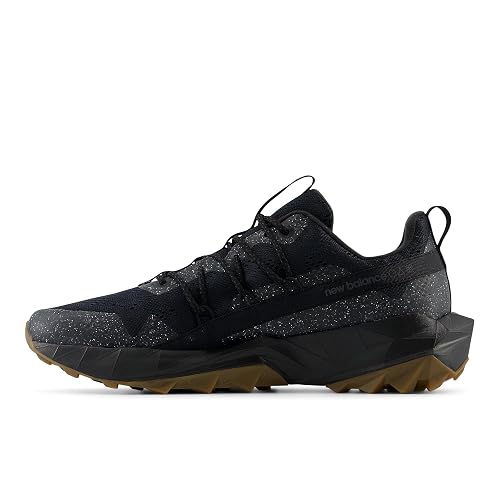 Best for a premium suede upperNew Balance Men's Dynasoft Tektrel V1 Suede Trail Running ShoesView on Amazon
- 5
 Best budget pickASICS Men's Gel-Venture 11 Trail Running ShoesView on Amazon
Our Top Picks
Quick Comparison
| Product | Best for | Key feature |
|---|---|---|
| New Balance Men’s Fresh Foam 410v9 Trail Running Shoe | Mixed road and trail training | Fresh Foam midsole cushioning |
| Brooks Men’s Ghost Trail Running Shoe | Cushioned long runs | Soft, smooth ride from the Ghost line |
| Brooks Men’s Cascadia 19 Mountain Trail Running Shoe | Aggressive off-road grip | Multi-directional outsole lugs |
| New Balance Men’s Dynasoft Tektrel V1 Suede Trail Running Shoes | Premium comfort and a refined upper | Suede upper with a supportive fit |
| ASICS Men’s Gel-Venture 11 Trail Running Shoes | Budget-conscious all-around use | GEL cushioning in the heel |
New Balance Men’s Fresh Foam 410v9 Trail Running Shoe
New Balance Men's Fresh Foam 410v9 Trail Running Shoe
Best for: Mixed road and trail training
This suits runners who spend most of their miles on packed gravel, park paths and easy singletrack, and who want a shoe that feels comfortable on pavement without giving up trail capability. It is a practical first choice for someone building a road-to-trail rotation.
Key specs
- Fresh Foam cushioning midsole
- Trail-oriented outsole for mixed surfaces
- Designed for men’s sizing
Pros
- Cushioning that feels consistent on hard surfaces
- Good versatility across pavement and light trails
- Familiar fit for many runners who already wear New Balance road shoes
Cons
- Lugs are less aggressive than dedicated mountain shoes
- May feel too soft for runners who prefer a firm, responsive ride
Bottom line: A strong pick for runners who want one pair for daily road miles and occasional trail runs.
Brooks Men’s Ghost Trail Running Shoe
Brooks Men's Ghost Trail Running Shoe
Best for: Cushioned long runs
Runners who log long, steady miles and prioritize a smooth, forgiving ride will find this shoe appealing. It is best suited to moderate trails and mixed-surface routes rather than steep, technical terrain.
Key specs
- Cushioned midsole in the Ghost family tradition
- Trail outsole for moderate off-road use
- Available in standard men’s widths
Pros
- Soft, consistent ride over long distances
- Comfortable transition from road to light trail
- Well-regarded brand for everyday running shoes
Cons
- Less protection on rocky, technical ground
- Heavier than minimalist trail options
Bottom line: Ideal for runners who value cushioning and mostly run on groomed or moderate trails.
Brooks Men’s Cascadia 19 Mountain Trail Running Shoe
Brooks Men’s Cascadia 19 Mountain Trail Running Shoe
Best for: Aggressive off-road grip
This is the choice for runners who regularly head into rocky, muddy or steep terrain. It leans toward the trail end of the spectrum, so it may feel less natural on long pavement stretches.
Key specs
- Mountain trail outsole with multi-directional lugs
- Protective construction for uneven ground
- Designed for men’s trail running
Pros
- Strong grip on loose and wet surfaces
- Stable platform for technical descents
- Durable outsole for rough terrain
Cons
- Firmer, more aggressive feel can be tiring on long road sections
- Heavier than road-focused options
Bottom line: Best for runners whose route mix leans more toward trail than road.
New Balance Men’s Dynasoft Tektrel V1 Suede Trail Running Shoes
New Balance Men's Dynasoft Tektrel V1 Suede Trail Running Shoes
Best for: Premium comfort and a refined upper
Runners who want a more structured, refined feel and who value a suede upper for comfort and a secure fit will find this model appealing. It suits moderate trail use and mixed routes.
Key specs
- Suede upper construction
- Trail-oriented outsole
- Designed for men’s trail running
Pros
- Comfortable, secure upper fit
- Good balance of trail traction and everyday wearability
- Refined look suits mixed use
Cons
- Suede needs more care in wet or muddy conditions
- Not the most aggressive option for technical trails
Bottom line: A good fit for runners who want comfort and a polished feel for moderate trail and road routes.
ASICS Men’s Gel-Venture 11 Trail Running Shoes
ASICS Men's Gel-Venture 11 Trail Running Shoes
Best for: Budget-conscious all-around use
New runners and those who want a dependable, all-purpose trail shoe without a premium build will find this model practical. It works well for light trails, gravel and mixed-surface training.
Key specs
- GEL cushioning in the heel
- Trail outsole for light off-road use
- Designed for men’s trail running
Pros
- Practical all-around design for varied routes
- GEL heel cushioning helps absorb impact
- Good value-oriented choice from a well-known running brand
Cons
- Less specialized grip for steep or muddy terrain
- Premium features like advanced foams are not included
Bottom line: A sensible starting point for runners who want a versatile trail shoe for light to moderate use.
Buying Guide
Outsole Lug Depth and Pattern
Lug depth affects grip on loose dirt, mud and rock. Shallow lugs (roughly 2–3 mm) suit packed trails and road transitions, while deeper, multi-directional lugs help on steep, muddy or technical ground. If most of your runs are on pavement, a moderate lug pattern usually offers the best compromise.
Good picks for this: Brooks Men’s Cascadia 19 Mountain Trail Running Shoe, New Balance Men’s Fresh Foam 410v9 Trail Running Shoe
Midsole Cushioning
Cushioning level changes how a shoe feels over long distances. Softer foams absorb impact on hard pavement, while firmer midsoles give a more responsive, stable feel on uneven ground. Consider your typical run length: longer runs often favor more cushioning.
Good picks for this: Brooks Men’s Ghost Trail Running Shoe, ASICS Men’s Gel-Venture 11 Trail Running Shoes
Fit and Width
Measure your feet at the end of the day, when they are slightly swollen. Leave roughly a thumb’s width of space in front of your longest toe, and make sure the heel locks in without slipping. Many men with wider feet find that standard widths feel tight on descents, so check whether a wide version is available if needed.
Good picks for this: New Balance Men’s Dynasoft Tektrel V1 Suede Trail Running Shoes, Brooks Men’s Ghost Trail Running Shoe
Upper Materials and Protection
Mesh uppers breathe well but let in grit and water. Suede and more structured uppers offer better protection and a secure feel, though they take longer to dry and need more care. Look for a reinforced toe cap if you run over rocky ground.
Good picks for this: New Balance Men’s Dynasoft Tektrel V1 Suede Trail Running Shoes, Brooks Men’s Cascadia 19 Mountain Trail Running Shoe
Weight and Stack Height
Heavier shoes provide more protection and stability, while lighter shoes feel more agile. Higher stack heights add cushioning but can reduce ground feel on technical trails. Choose based on whether comfort or responsiveness matters more on your routes.
Good picks for this: ASICS Men’s Gel-Venture 11 Trail Running Shoes, New Balance Men’s Fresh Foam 410v9 Trail Running Shoe
Durability and Outsole Rubber
Outsole durability depends on rubber compound and how much abrasive pavement you run on. Shoes used mainly on road-adjacent trails tend to wear more quickly on the forefoot. Rotating two pairs can extend the life of both and help you notice wear patterns early.
Good picks for this: Brooks Men’s Cascadia 19 Mountain Trail Running Shoe, ASICS Men’s Gel-Venture 11 Trail Running Shoes
Care and Maintenance
Rinse mud off after runs, remove insoles to dry, and avoid machine drying, which can break down midsole foams. Suede uppers benefit from a dedicated suede brush and a water-repellent treatment. Store shoes at room temperature rather than in a hot car.
Good picks for this: New Balance Men’s Dynasoft Tektrel V1 Suede Trail Running Shoes, ASICS Men’s Gel-Venture 11 Trail Running Shoes
FAQ
Can I use road-to-trail running shoes on both pavement and trails?
Yes. Road-to-trail shoes are designed for mixed surfaces, with outsoles that grip dirt and gravel while staying comfortable on hard pavement. They are a practical choice if you split your training between the two.
How do I know if a shoe has enough grip for trails?
Check the outsole for visible lugs and look for a rubber compound described as trail-specific. Deeper, multi-directional lugs generally offer more grip on loose or muddy ground than flat, road-style soles.
Do trail running shoes need to be a half size larger?
Many runners size up slightly for trail shoes to allow room for downhill toe pressure and swelling. Measure your feet and try shoes with the socks you plan to run in, and leave about a thumb’s width in front of your longest toe.
How often should I replace road-to-trail running shoes?
Many running shoes are commonly replaced somewhere around 300 to 500 miles, though this varies with weight, surface and foam type. Watch for worn lugs, compressed midsoles and new aches in your feet or legs as signs it is time.
Is waterproofing worth it for trail running?
Waterproof uppers keep feet dry in wet conditions but can trap heat and take longer to dry if soaked. If you run mostly in dry climates or in warm weather, a breathable mesh upper may be more comfortable.
Should I see a professional about foot pain from running shoes?
If you experience persistent pain, numbness or recurring injuries, consult a podiatrist, physical therapist or sports medicine professional. They can assess your gait and footwear needs more accurately than a general guide.
Conclusion
Among these five men’s road to trail running shoes, the best choice depends on your route mix. The New Balance Men’s Fresh Foam 410v9 suits runners who want one all-around pair, while the Brooks Men’s Ghost Trail favors cushioned long runs. Runners who head onto steep, muddy ground will lean toward the Brooks Men’s Cascadia 19, and those who prefer a refined suede upper may like the New Balance Dynasoft Tektrel V1. The ASICS Gel-Venture 11 is a sensible starting point for runners who want a practical, versatile trail shoe without a premium build.
Sources
- Guidance on physical activity levels and safe exercise habits (cdc.gov)
- Research summaries on running biomechanics and lower-limb injury prevention (nih.gov)
- Position statements and resources on footwear and exercise safety (acsm.org)
Related reading
- Saucony Men's Trail Running Shoes: How to Choose the Right Pair (2026)
- Salomon Men's Speedcross 6 Trail Running Shoes Review: Is It Worth It?
- Salomon Men's Speedcross 6 GTX Trail Running Shoes Review (2026)
- On Men's Cloudvista 2 Trail Running Shoes Review: Is It Worth It?
- Nike Men's Juniper Trail 3 Running Shoes: Fit, Use and Who They Suit
- Men's Trail Running Shoes Wide: How to Find a Pair That Fits Your Feet
About Caleb Morgan
Caleb Morgan is part of our editorial team and reviews and edits our running gear & races guides, checking product details against manufacturer specifications and owner feedback.


