
 By Caleb Morgan
Updated November 2026
Narrow trail running shoes are built on a narrower last, so the heel and midfoot hold steady while the forefoot stays secure on rocky, uneven ground. Runners with slim feet often struggle with sliding heels, loose laces and a shoe that feels like a boat on technical terrain. This list focuses on the selection criteria that matter most: fit in the heel and midfoot, outsole traction for mixed surfaces, cushioning and stack height, drop, and how well each model suits different distances. Every pick comes from manufacturer specifications, brand reputation and common owner feedback patterns. We have not tested these shoes ourselves.
Our top picks at a glance
- 1
 TOP CHOICEBest overallBrooks Women’s Caldera 8 Ultra Trail Running ShoeView on Amazon
- 2
 TOP CHOICEBest for technical descentsINOV8 Women's Mudtalon Zero – Zero Drop Trail Running ShoesView on Amazon
- 3
 TOP CHOICEBest for long mountain daysBrooks Women’s Cascadia 19 Mountain Trail Running ShoeView on Amazon
- 4
 Best for casual trail walksSaucony Women's Excursion TR16 SneakerView on Amazon
- 5
 Best for minimalist runnersBarefoot Five-Toed Fitness Trail Running Shoes for Men & Women, SportsView on Amazon
- 6
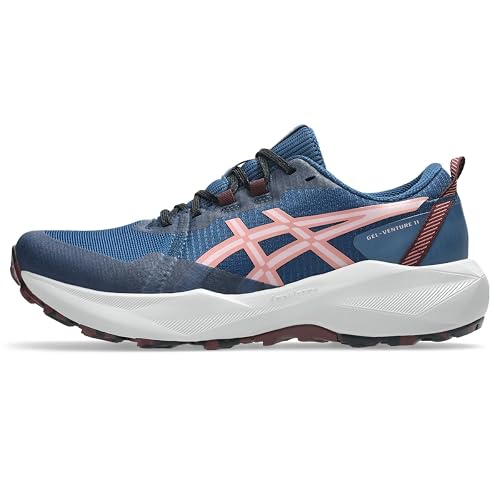 Best budget pickASICS Women's Gel-Venture 11 Trail Running ShoesView on Amazon
- 7
 Best for steady everyday trailsNew Balance Women's 410v8 Trail Running ShoesView on Amazon
Our Top Picks
Quick Comparison
| Product | Best for | Key feature |
|---|---|---|
| Brooks Women’s Caldera 8 Ultra Trail Running Shoe | Balanced all-around trail running | Cushioned ride with a secure heel fit |
| INOV8 Women’s Mudtalon Zero – Zero Drop Trail Running Shoes | Technical descents and muddy ground | Zero drop with aggressive lugs |
| Brooks Women’s Cascadia 19 Mountain Trail Running Shoe | Long mountain days | Protective underfoot platform |
| Saucony Women’s Excursion TR16 Sneaker | Casual trail walks | Lightweight, comfortable upper |
| Barefoot Five-Toed Fitness Trail Running Shoes | Minimalist runners | Separated toe design |
| ASICS Women’s Gel-Venture 11 Trail Running Shoes | Budget-conscious runners | Gel cushioning for everyday trails |
| New Balance Women’s 410v8 Trail Running Shoes | Steady everyday trails | Durable lugged outsole |
Brooks Women’s Caldera 8 Ultra Trail Running Shoe
Brooks Women’s Caldera 8 Ultra Trail Running Shoe
Best for: Balanced all-around trail running
This is a good fit for runners with narrow to medium-narrow feet who want cushioning for longer efforts without losing ground feel. The heel counter and lacing system are designed to lock the foot in place, which helps slimmer feet avoid heel slip.
Key specs
- Women’s trail running model from Brooks
- Designed for uneven, mixed-surface terrain
Pros
- Secure heel hold for narrower feet
- Cushioning suits longer runs
- Well-regarded brand for trail fit consistency
Cons
- Can feel firm for runners who prefer very soft platforms
- Less aggressive grip than dedicated mud-focused shoes
Bottom line: A strong first choice for runners who want a dependable narrow-fitting trail shoe for mixed routes.
INOV8 Women’s Mudtalon Zero – Zero Drop Trail Running Shoes
INOV8 Women's Mudtalon Zero – Zero Drop Trail Running Shoes
Best for: Technical descents and muddy ground
Runners who want a zero-drop platform and sharp traction on wet, technical terrain will find this model suited to their needs. The zero-drop geometry asks more of the calves and Achilles, so it suits runners already comfortable with low-drop footwear.
Key specs
- Zero-drop design
- Aggressive lugged outsole for mud and loose ground
Pros
- Strong traction on mud and wet rock
- Zero drop encourages a natural stride for suitable runners
- Snug fit through the midfoot for narrow feet
Cons
- Transition period is needed for runners used to a heel-raised shoe
- Less cushioning for long, pounding runs
Bottom line: Best for experienced runners who want a zero-drop shoe with serious grip on technical routes.
Brooks Women’s Cascadia 19 Mountain Trail Running Shoe
Brooks Women’s Cascadia 19 Mountain Trail Running Shoe
Best for: Long mountain days
This is a well-known Cascadia line aimed at runners covering rough, rocky terrain over extended distances. Its protective build helps with foot fatigue on long days, and the fit is generally considered accommodating for narrower feet with a locked-in heel.
Key specs
- Women’s mountain trail model from Brooks
- Built for rocky and technical terrain
Pros
- Protective underfoot feel on rocky trails
- Stable heel and midfoot for narrower feet
- Suited to long-distance mountain efforts
Cons
- Heavier than lightweight racing options
- Stiffer feel may not suit runners wanting a flexible ride
Bottom line: A good pick for runners who spend long hours on rocky mountain routes and want protection.
Saucony Women’s Excursion TR16 Sneaker
Saucony Women's Excursion TR16 Sneaker
Best for: Casual trail walks
This model leans more toward comfortable everyday wear on light trails than hard running. It suits runners who hike, walk and occasionally jog on well-groomed paths and want a narrow, secure fit without heavy gear.
Key specs
- Women’s trail-style sneaker from Saucony
- Designed for light trail and everyday use
Pros
- Comfortable for walking and light trail use
- Secure fit for narrower feet in many owner reports
- Good everyday versatility
Cons
- Not built for demanding technical running
- Outsole may wear faster on rough, abrasive terrain
Bottom line: Best for hikers and walkers who occasionally run light trails and want a comfortable narrow shoe.
Barefoot Five-Toed Fitness Trail Running Shoes for Men & Women, Sports Climbing,Running, Hiking, Squat, Yoga, Beach
Barefoot Five-Toed Fitness Trail Running Shoes for Men & Women, Sports Climbing,Running, Hiking, Squat, Yoga, Beach
Best for: Minimalist runners
Five-toed designs appeal to runners who want maximum ground contact and foot flexibility. The separated toes allow the foot to spread naturally, which suits people who already train with minimal footwear and want a shoe that moves with the foot.
Key specs
- Five-toed (toe-separated) design
- Unisex fitness and trail-style shoe
Pros
- Strong foot flexibility and ground feel
- Narrow toe separation suits slim feet
- Versatile for climbing, hiking and training
Cons
- Requires gradual adaptation to avoid foot and calf strain
- Limited protection on sharp, rocky ground
Bottom line: Right for experienced minimalist runners who want full foot movement and accept less underfoot protection.
ASICS Women’s Gel-Venture 11 Trail Running Shoes
ASICS Women's Gel-Venture 11 Trail Running Shoes
Best for: Budget-conscious runners
This ASICS model is a budget-friendly choice for runners starting out on trails. The Gel-Venture line is known for accessible cushioning and a supportive heel, which helps narrower feet stay in place on moderate terrain.
Key specs
- Women’s trail running model from ASICS
- Gel cushioning in the heel and forefoot
Pros
- Good cushioning for the category
- Supportive heel for narrower feet
- Reliable brand for trail-to-road versatility
Cons
- Outsole grip is less aggressive than dedicated mud shoes
- May feel less technical on steep, loose descents
Bottom line: A sensible starter choice for runners who want a narrow fit and cushioning without spending heavily.
New Balance Women’s 410v8 Trail Running Shoes
New Balance Women's 410v8 Trail Running Shoes
Best for: Steady everyday trails
The 410 line is built for regular trail miles on mixed surfaces. New Balance offers several width options in this category, and narrow-foot runners often find the heel and midfoot hold well on maintained trails.
Key specs
- Women’s trail running model from New Balance
- Lugged outsole for mixed trail surfaces
Pros
- Durable outsole for regular trail use
- Dependable fit in narrower sizes
- Good balance of cushioning and ground feel
Cons
- Not as specialized for extreme terrain
- Heavier than some lightweight trail options
Bottom line: A practical, durable pick for runners doing regular trail miles on mixed ground.
Buying Guide
Heel and Midfoot Fit
For narrow feet, the heel and midfoot matter more than overall length. A heel that slips even slightly causes blisters on descents. Look for a snug heel counter, a lacing system that locks the midfoot, and a last described by the manufacturer as narrow or women’s-specific. Stand up in the shoe and check that your heel stays put when you lean forward.
Good picks for this: Brooks Women’s Caldera 8 Ultra Trail Running Shoe, Brooks Women’s Cascadia 19 Mountain Trail Running Shoe
Outsole Traction
Lug depth and pattern determine how the shoe grips mud, loose gravel and wet rock. Deeper, widely spaced lugs shed mud better, while shallower patterns work well on hard-packed trails. Check the manufacturer’s description of the intended surface before buying.
Good picks for this: INOV8 Women’s Mudtalon Zero – Zero Drop Trail Running Shoes, New Balance Women’s 410v8 Trail Running Shoes
Drop and Heel-to-Toe Geometry
Drop is the height difference between heel and forefoot. Zero-drop shoes place the foot flat, which can strengthen the calves and feet over time but requires a gradual transition. Runners with a history of calf or Achilles issues should build up slowly or consult a physical therapist before switching.
Good picks for this: INOV8 Women’s Mudtalon Zero – Zero Drop Trail Running Shoes, Barefoot Five-Toed Fitness Trail Running Shoes
Cushioning and Stack Height
Cushioning affects comfort on long runs and how much ground feel you keep. Higher stack heights protect against rocks but can reduce stability on narrow platforms. For most narrow-foot runners, a moderate stack with a firm heel offers the best balance.
Good picks for this: ASICS Women’s Gel-Venture 11 Trail Running Shoes, Brooks Women’s Caldera 8 Ultra Trail Running Shoe
Use Case and Terrain
Match the shoe to where you actually run. Hard-packed trails, muddy technical routes, mountain scrambles and casual walks each call for different features. Buying for your most frequent terrain usually matters more than buying for an occasional race.
Good picks for this: Brooks Women’s Cascadia 19 Mountain Trail Running Shoe, Saucony Women’s Excursion TR16 Sneaker
Durability and Wear Patterns
Outsole rubber and upper materials determine how long a shoe lasts. Check the outsole for uneven wear after a few hundred miles, especially on the outer heel, which can signal a fit or gait issue. Rotating two pairs can extend the life of both.
Good picks for this: New Balance Women’s 410v8 Trail Running Shoes, ASICS Women’s Gel-Venture 11 Trail Running Shoes
Care and Maintenance
Remove the insoles and let the shoes air-dry away from direct heat after muddy runs. Wash the uppers gently with mild soap and water. Heat from dryers can warp foam midsoles and glue.
Good picks for this: Saucony Women’s Excursion TR16 Sneaker, Brooks Women’s Caldera 8 Ultra Trail Running Shoe
FAQ
What makes a trail running shoe narrow?
A narrow trail running shoe uses a slimmer last, meaning the internal shape is built around a narrower foot. Manufacturers often label these as narrow, women’s-specific or B-width. The goal is a secure heel and midfoot with room for the toes.
Can I use narrow trail running shoes if my feet are medium width?
Some medium-width feet fit comfortably in narrow models, but the forefoot may feel cramped on long runs. Try the shoe on at the end of the day, when feet are slightly swollen, and walk on an incline to check for heel slip and toe pressure.
How do I know if my heel is slipping?
Heel slip shows up as a rubbing sensation at the back of the heel or a shifting feel on descents. Tighten the lacing around the midfoot and ankle before blaming the shoe. If slipping continues, a heel lock lacing technique or a different last may help.
Is zero drop safe for beginners?
Zero-drop shoes change the load on the calves and Achilles, so beginners should start with short runs and increase gradually. People with existing tendon or calf problems should consult a physical therapist or sports medicine professional before switching.
How often should I replace trail running shoes?
Many runners replace trail shoes somewhere around 300 to 500 miles, depending on terrain, body weight and outsole wear. Check for compressed midsoles, worn lugs and changes in how the shoe feels underfoot.
Should I size up in trail running shoes?
Many trail runners go up a half size to leave room for foot swelling and downhill toe contact. Narrow-foot runners should still check that the heel stays locked in, since a larger size can make the heel slip more.
Conclusion
For most narrow-foot runners, the Brooks Women’s Caldera 8 Ultra Trail Running Shoe is a reasonable starting point because of its heel fit and balanced cushioning. Runners who spend time on muddy, technical routes may prefer the INOV8 Women’s Mudtalon Zero – Zero Drop Trail Running Shoes, provided they are ready for a zero-drop transition. For long mountain days, the Brooks Women’s Cascadia 19 Mountain Trail Running Shoe offers extra protection. Hikers who run occasionally will find the Saucony Women’s Excursion TR16 Sneaker comfortable, while minimalist runners may look at the Barefoot Five-Toed Fitness Trail Running Shoes. The ASICS Women’s Gel-Venture 11 Trail Running Shoes and New Balance Women’s 410v8 Trail Running Shoes cover budget-minded and everyday trail needs. Because fit is personal, try shoes on in person where possible and check the return policy before committing to a pair.
Sources
- Guidance on physical activity levels and safe exercise progression for adults (cdc.gov)
- Research summaries on running biomechanics, foot health and injury prevention (nih.gov)
- Position statements and resources on exercise footwear and training load (acsm.org)
Related reading
- Zegama 2 Trail Running Shoes: Fit, Traction, and Who They Suit (2026)
- Xero Trail Running Shoes: Fit, Traction, and How to Choose a Pair
- Women's Trail Running Shoes ASICS: 3 Best Picks for Every Trail (2026)
- Women's New Balance Trail Running Shoes: How to Choose the Right Pair
- Women's Merrell Trail Running Shoes?
About Caleb Morgan
Caleb Morgan is part of our editorial team and reviews and edits our running gear & races guides, checking product details against manufacturer specifications and owner feedback.


