By Caleb Morgan
Updated November 2026
ASICS GT women’s running shoes are built for runners who want structured support for daily road miles, and the ASICS Women’s GT-2000 14 is one of the most recognizable options in that lineup. It suits runners who overpronate mildly, want a cushioned ride for training runs and long days, and prefer a familiar, supportive fit over a minimalist feel. It is a weaker choice for runners who want a lightweight racing flat, those with a neutral stride who find stability systems restrictive, or anyone who needs a very wide or very narrow platform without trying sizes in person. Read the rest of this review to see how the specs, owner feedback patterns and the GT-2000 14’s direct alternatives compare.

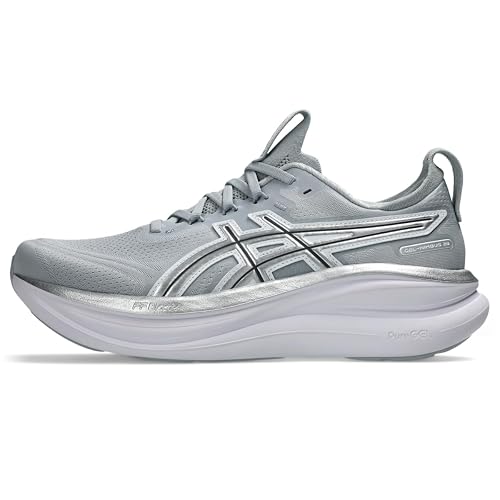
ASICS Women's GT-2000 14 Running Shoes
Product Overview
The ASICS Women’s GT-2000 14 is a stability running shoe in the GT-2000 series, which has long been one of ASICS’ core support models. The GT line is designed for runners who need guidance and a controlled landing rather than a rigid corrective device. In practice, that means a supportive midfoot, a firmer medial side and a cushioned platform meant for consistent everyday training.
This is a road running shoe. It is not built for trail surfaces, and the outsole is oriented toward pavement, track and treadmill use. Runners who log most of their mileage on hard surfaces, especially those returning from injury or building weekly volume, tend to be the people this model is designed around.
The “14” in the name marks the fourteenth iteration of the GT-2000 design. Each generation typically refines the midsole foam, upper construction and fit rather than reinventing the shoe, so the GT-2000 14 will feel familiar to anyone who has worn earlier versions. Runners who have worn the GT-2000 13 will notice incremental changes rather than a complete shift in feel.
Key Features & Specifications
The table below lists the characteristics that ASICS and retail listings consistently describe for this model. Exact weight and drop can vary by size and by how a retailer reports them, so check the product page for the figures that apply to your size before buying.
| Feature | What it means for you |
|---|---|
| Category | Road running, stability |
| Gender fit | Women’s last and sizing |
| Support type | Stability for mild to moderate overpronation |
| Cushioning | Cushioned midsole for daily training and longer runs |
| Outsole | Rubber outsole designed for pavement traction and durability |
| Upper | Engineered mesh upper for breathability and a secure fit |
| Intended use | Daily training, long runs, treadmill and road running |
If you need exact drop, stack height or weight for a specific size, consult the manufacturer’s listing or a running specialty retailer. Those figures are the most reliable source and vary with sizing.
Pros & Cons
Pros
- Stability structure suited to runners who need mild to moderate medial support
- Cushioned platform that works well for daily training volume
- Familiar fit for runners who already own earlier GT-2000 generations
- Rubber outsole oriented toward durable road wear
- Breathable mesh upper that keeps the foot ventilated on warm runs
- Available in a women’s-specific fit, which many runners find more secure than unisex options
Cons
- Heavier than lightweight trainers or racing flats, which may feel sluggish at faster paces
- Stability features can feel too firm for runners with a neutral stride
- Not designed for trail use; grip is limited on loose or wet off-road surfaces
- Sizing and width may not suit runners with very narrow or very wide feet without trying them on
- Owners who prefer a softer, more responsive ride may want to compare against neutral models
Performance Analysis
Stability shoes are judged mainly on how they guide the foot through the gait cycle, how the cushioning holds up over time and how the fit feels on long runs. Based on the GT-2000 line’s published design and the patterns that appear most often in owner discussions, the GT-2000 14 tends to perform as a reliable, predictable daily trainer rather than a showpiece.
The support system is the central feature. Runners who overpronate typically notice that the shoe discourages excessive inward roll during the landing phase. Owners often describe the ride as steady and controlled, especially in the later miles of a run when fatigue tends to degrade form. The trade-off is that the same structure can feel firm to runners who do not need that correction, so a neutral runner may find it less comfortable than a dedicated neutral trainer.
Cushioning is positioned for everyday mileage. Runners logging moderate to high weekly volume generally want a platform that absorbs impact without feeling mushy, and the GT-2000 14 is generally described in that middle range. It is not a maximal-cushion shoe, so runners who prefer a very plush landing may find it less forgiving on hard pavement.
Traction on pavement and treadmill belts is generally regarded as adequate for road running. Because the outsole is rubber and designed for road wear, it tends to hold up over typical training life, though exact durability depends on your stride, surface and mileage. On wet trail or gravel, the lack of aggressive lugs limits grip, so this is not the shoe for off-road routes.
Fit is where individual results vary most. The women’s last is built to suit a range of foot shapes, and many runners find the heel and midfoot secure. Owners with wider forefeet or unusual arch profiles sometimes report needing a half size up or a different width, so it is worth checking the size chart and, where possible, trying the shoe on in person.
Breathability from the engineered mesh upper is generally positive for warm-weather training. Heavier runners or those who sweat heavily may find the upper less ventilated than a dedicated lightweight trainer, but for typical road conditions it performs in line with what most stability shoes offer.
Who Should Buy This Product?
The GT-2000 14 fits a specific runner profile best. It is a strong match if you overpronate mildly to moderately, log consistent daily or near-daily miles on roads or treadmills, and want a supportive shoe that feels predictable from the first mile to the last. It also suits runners who liked earlier GT-2000 versions and want continuity in fit and feel.
You should consider skipping this model if you have a neutral stride and find support features uncomfortable, if you need a lightweight shoe for speed sessions or racing, or if your running is primarily on trails. Runners with very wide or very narrow feet should also look at the sizing details carefully or consider a model with a different width offering.
If you are returning from injury or have a history of shin or knee discomfort, a stability shoe can be a sensible choice, but consult a physical therapist, sports medicine clinician or running specialist for an assessment before changing footwear significantly.
Buying Guide
Before you buy any stability shoe, check a few things. First, confirm your stride type. A gait analysis at a running specialty store, or a simple wet-test where you look at the footprint, can show whether you overpronate. Second, measure your feet at the end of the day when they are slightly swollen, and compare your measurements to the brand’s size chart rather than relying on your usual size from another brand. Third, decide how much cushioning and weight you want, since those two traits drive how a shoe feels over long runs.
When trying shoes on, wear the socks you run in and stand, walk and jog a few steps. Your heel should lock in without slipping, the toe box should allow your toes to spread slightly, and there should be a thumb’s width of space in front of your longest toe. Pay attention to any pressure points or rubbing in the first few minutes; they rarely disappear as you run.
If you want to compare the GT-2000 14 against close relatives or other stability options, these three are worth a look:
- ASICS Women’s GT-2000 13 Running Shoes: the previous generation of the same line. Owners who are happy with the prior fit and want to keep the same feel may find this a practical alternative.

ASICS Women's GT-2000 13 Running Shoes
- ASICS Women’s GT-1000 14 Running Shoes: a related stability option in the GT family. It can suit runners who want a similar support approach with a different overall feel.

ASICS Women's GT-1000 14 Running Shoes
For more context on fit and choosing across brands, see Asics Shoes for Women's Running: 5 Things to Check Before You Buy (2026) and New Balance Women's Running Shoes: How to Choose the Right Pair. If you are comparing trail options in case your routes change, Women's Trail Running Shoes ASICS: 3 Best Picks for Every Trail (2026) covers that category. Runners weighing a wider range of daily trainers may also find Recommended Running Shoes for Women: 7 Best Picks for Every Need (2026) useful.
FAQ
Are ASICS GT women’s running shoes good for overpronation?
The GT line is built around stability support, which is designed for runners who overpronate mildly to moderately. Whether it suits you depends on your stride and comfort, so a gait assessment at a specialty store is a good first step.
Should I size up in the GT-2000 14?
Many runners keep their usual women’s size, but some owners report needing a half size up, especially with wider forefeet or swelling during long runs. Check the brand’s size chart and leave roughly a thumb’s width of space at the toe.
Is the GT-2000 14 good for long runs?
Its cushioned platform and supportive structure are generally suited to long, steady mileage on roads and treadmills. Runners who prefer a very soft or very light feel may want to compare other cushioned trainers.
Can I use the GT-2000 14 on trails?
It is designed for road and treadmill running. The outsole offers limited grip on loose or wet off-road surfaces, so a dedicated trail shoe is a better choice for those routes.
How does the GT-2000 14 compare to the GT-2000 13?
The two share the same core design philosophy. Generational updates usually focus on midsole foam, upper materials and fit refinements, so runners who like the 13 will often find the 14 familiar. Check specs for any changes that matter to you.
How often should I replace stability running shoes?
Many runners replace road shoes after roughly 300 to 500 miles, though this varies with body weight, stride, surface and cushioning wear. Watch for flattened midsole foam, uneven outsole wear or new aches after runs as signs it is time.
Is a stability shoe right for every overpronator?
Not always. Some overpronators do well in neutral shoes, and some runners with no obvious overpronation still benefit from support. If you have ongoing foot, knee, hip or shin pain, consult a physical therapist or sports medicine professional before deciding.
Final Verdict
Who the GT-2000 14 suits best
The ASICS Women’s GT-2000 14 is a dependable stability trainer for runners who want structured support, a cushioned daily ride and a familiar, predictable feel on roads and treadmills. It is less suited to runners who want a lightweight racing shoe, a neutral ride, or an off-road option. Check the size chart, consider a half size up if your feet swell during runs, and try the shoe on if you can. If the support profile and fit line up with your stride, it is a solid option in the ASICS GT lineup.
Related reading
- ASICS Trail Running Shoes Women: 4 Things to Check Before You Buy
- 5 Best Asics Running Shoes for Women: Our Picks (2026)
- Women's New Balance Trail Running Shoes: How to Choose the Right Pair
About Caleb Morgan
Caleb Morgan is part of our editorial team and reviews and edits our running gear & races guides, checking product details against manufacturer specifications and owner feedback.