By Caleb Morgan
Updated November 2026
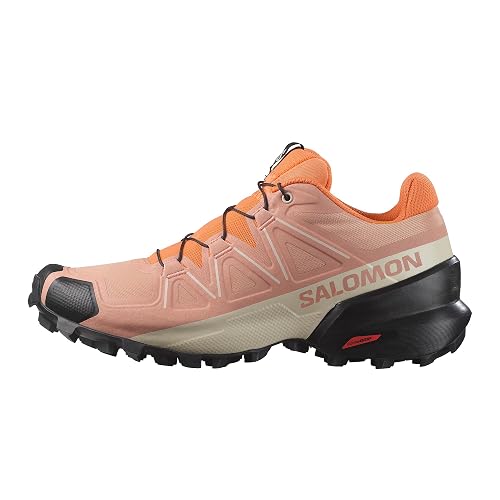
The Salomon Women’s Speedcross Trail Running Shoes are built for runners who spend most of their time on loose, muddy, or technical terrain and want a shoe that grips rather than cushions. They suit women who run gravel, forest singletrack, and wet or uneven ground, especially those who prefer a snug, locked-in heel and an aggressive lug pattern. They are a weaker choice for road runners, runners who mostly train on pavement, or anyone who wants a soft, highly cushioned ride for long easy miles. Anyone with a wide forefoot or a history of foot pain should try them on before committing, and those with specific medical concerns should consult a podiatrist or sports medicine professional before switching shoe types.
Salomon Women's Speedcross Trail Running Shoes
Product Overview
The Speedcross line has long been one of the most recognizable trail running families on the market, and the women’s version keeps the same core identity: deep, widely spaced lugs, a narrow and secure fit through the midfoot, and a construction meant to handle mud, scree, and wet roots. Salomon’s trail shoes in this category are generally positioned for runners who want traction first, with cushioning and comfort following behind. The shoe is designed around a lacing system that wraps the foot tightly, which many trail runners prefer for descents where the foot can otherwise slide forward inside the toe box.
If you are comparing this model against other trail shoes, it helps to understand where it sits in the lineup. Salomon’s broader range includes softer, more road-friendly trail options, and the Speedcross name signals a more aggressive, technical profile. Runners who want a more padded daily trainer that occasionally touches trails may find other styles in our coverage of women’s trail running shoes better matched to their routine. For a deeper look at the family, see Salomon Shoes Women Trail Running: Speedcross Review (2026) and Salomon Trail Running Shoes Speedcross Review (2026).
Because listings can vary in colorway, width options, and packaging, always confirm the exact specifications on the product page before ordering. Manufacturers typically publish the official sizing chart and recommended use, and those details should guide your final decision.
Key Features & Specifications
The table below lists the characteristics most relevant to buyers. Where a detail is not something we can confirm from the listing name and the well-known profile of the model, we have left it out rather than guess.
| Feature | What it means for you |
|---|---|
| Product type | Women’s trail running shoe, built for off-road use |
| Intended terrain | Mud, loose dirt, gravel, wet and technical trails |
| Outsole | Aggressive, widely spaced lugs for multi-directional grip |
| Fit profile | Snug, secure midfoot and heel lockdown |
| Lacing | Lace-up closure for adjustable tightness |
| Best suited for | Runners who prioritize traction and stability on uneven ground |
Check the official Salomon product page for the current midsole stack height, drop, weight, and any waterproof membrane options, since these vary by version and colorway.
Pros & Cons
Pros
- Aggressive lug pattern gives strong grip on mud, wet rock, and loose surfaces.
- Snug fit helps prevent foot slide on steep descents.
- Well-known product line with a long track record in trail running.
- Lace-up system allows fine adjustment for different foot shapes.
- Suits runners who change terrain often and need one shoe for varied routes.
Cons
- The fit is narrow, which may be uncomfortable for wide feet.
- Aggressive lugs can feel harsh or less comfortable on long stretches of pavement.
- Not designed as a cushioned road shoe for high-mileage easy days.
- Owners sometimes mention a break-in period before the fit feels fully settled.
Performance Analysis
Performance in a trail shoe comes down to three things: how the outsole bites, how the upper holds the foot, and how the midsole handles impact. The Speedcross design leans heavily on the first two. Its deep, spaced lugs are intended to clear mud and debris while keeping contact with the ground, which is why runners tend to associate the line with confidence on slick or soft surfaces. The snug upper and heel lockdown reduce internal movement, which can improve control on downhill sections where a loose shoe would cause the toes to jam forward.
Owner feedback across trail shoes in this category tends to follow a consistent pattern. Runners who buy aggressive trail models for technical terrain usually praise traction and stability. Complaints more often center on fit, particularly width, and on comfort over long road sections. Some owners report that the shoe feels firmer than a softer everyday trainer, which is a trade-off for the ground feel and control it provides. If you plan to run a large share of your miles on pavement, expect the experience to differ from what you would get on dirt.
In practical terms, the shoe is best judged by the surface you run most. On loose gravel, wet roots, and muddy singletrack, the grip-first design makes sense. On hard-packed or paved routes, the lugs add weight and feel without offering much benefit. Runners who want a balance often look at more cushioned trail options from brands covered in our trail running shoe guides.
Who Should Buy This Product?
This shoe fits runners who spend meaningful time off-road and want traction above all else. It is a good match for trail racers, hikers who run, and anyone training on muddy, wet, or technical ground. Runners with a narrow to standard foot shape who like a locked-in feel will likely appreciate the fit.
It is a poor choice for runners with wide feet, those who mainly run on roads, or anyone seeking a plush daily trainer. If you have a foot condition such as plantar fasciitis or a history of stress injuries, talk with a podiatrist or physical therapist before adding a new trail shoe, since the right cushioning and support depend on your individual mechanics.
Buying Guide
Before buying, consider the following points. Each one affects whether this shoe will feel right over the long run.
- Measure your feet at the end of the day. Feet swell during running, so fitting in the evening better reflects race-day conditions.
- Plan for a thumb’s width of space in front of your longest toe, and check that your heel does not lift on the stride.
- Match the lugs to your terrain. Deep lugs suit mud and loose ground; shallower patterns suit mixed or mostly firm trails.
- Decide on waterproofing. A waterproof membrane keeps feet dry in rain but can trap heat in warm weather.
- Consider your weekly mileage mix. If road miles dominate, a softer trail or hybrid shoe may serve you better.
If you want to compare alternatives, two related Salomon options are worth a look. The first is the Salomon Womens Speedcross 6, which keeps the familiar Speedcross profile and is a common reference point for buyers in this line.

Salomon Womens Speedcross 6
The second is the Salomon Women’s Speedcross Peak Trail Running Shoes, which appeals to runners who want a similar technical feel with a different profile to compare. Both are useful if you are weighing fit and terrain against the original model.

Salomon Women’s Speedcross Peak Trail Running Shoes
For a broader comparison across brands, our roundup of best Salomon trail running shoes for women and the articles on 5 Best Salomon Trail Running Shoes Women's Picks Compared (2026) and Speedcross 6 Trail Running Shoes Women's: 5 Best Picks for Every Trail (2026) cover additional options by terrain and budget.
FAQ
Are the Salomon Women’s Speedcross shoes good for road running?
They are built for trails, and their aggressive lugs can feel firm or noisy on pavement. Runners who mainly train on roads usually get better comfort from a dedicated road or trail-hybrid shoe.
Do these shoes run narrow?
Owners frequently describe the fit as snug, particularly through the midfoot. If you have wide feet, check the manufacturer’s width options and consider trying the shoe in person if possible.
Should I size up or down from my usual running shoe?
Many trail runners keep their usual size for a secure fit, but some prefer a half size up to allow for swelling on long runs. Consult Salomon’s sizing chart and test the fit with the socks you plan to run in.
Are they suitable for hiking as well as running?
Many runners use trail shoes for light hiking. Their grip and lockdown are helpful on uneven ground, though heavy loads or long hiking days may call for a dedicated hiking boot.
How long do trail shoe outsoles typically last?
Lifespan depends on terrain, body weight, and running style. Runners often replace trail shoes once the lugs are visibly worn or the cushioning feels flat, which commonly happens after several hundred miles, though this varies widely.
Do I need a break-in period?
Some owners report that the upper feels stiff at first and softens with use. Start with shorter runs before committing to a long trail outing.
Are these good for muddy or wet conditions?
The deep lug design is intended for soft and slick ground, which is one of the main reasons runners choose this style. Check whether your specific version includes a waterproof membrane if rain is frequent in your area.
Final Verdict
Recommendation
The Salomon Women’s Speedcross Trail Running Shoes are a strong choice for runners who prioritize grip, lockdown, and technical trail performance. They reward runners who train on mud, gravel, and wet roots, and they are less suited to road-heavy routines or wide feet. If your running is mostly off-road and your foot shape fits the snug profile, this is a well-matched option. If not, compare the alternatives above before deciding.
Related reading
- Salomon Women's Genesis Trail Running Shoes: Fit, Features, and Who Should Buy
- Salomon Men's Speedcross 6 Trail Running Shoes Review: Is It Worth It?
- Salomon Men's Speedcross 6 GTX Trail Running Shoes Review (2026)
About Caleb Morgan
Caleb Morgan is part of our editorial team and reviews and edits our running gear & races guides, checking product details against manufacturer specifications and owner feedback.