
 By Caleb Morgan
Updated November 2026
Brooks Glycerin 22 running shoes are a cushioned neutral model aimed at runners who want a soft, protective ride for daily miles, easy runs and longer sessions. This review, built from the manufacturer’s published specifications and patterns in owner feedback, looks at who the Glycerin 22 suits and who should look elsewhere. Neutral runners who value plush cushioning and a smooth heel-to-toe transition will likely find it a strong fit. Runners who need firm stability support, want a lightweight racing flat, or prefer a minimal, low-stack feel should probably skip it. The sections below cover the design, specs, performance and a buying framework so you can decide with confidence.

Brooks Women’s Glycerin 22 Neutral Running Shoe
Product Overview
The Glycerin line has long been one of Brooks’s best-known cushioned neutral options, and the 22nd version continues that approach. It is designed for runners whose gait does not require motion control, and it leans on a generous midsole to absorb impact across a wide range of paces. Brooks positions the Glycerin as a daily trainer, which means it is meant to handle the bulk of a weekly mileage plan rather than being reserved for special workouts.
The listing for the women’s version identifies it as a neutral running shoe, so the model is built for runners who do not overpronate significantly. That distinction matters. A neutral shoe generally offers a balanced platform without medial posts or guide rails, allowing the foot to move through its natural path. If you have been told you need stability support, a neutral shoe like this one may not be the right match, and a gait assessment from a qualified running specialist can help you sort that out.
Think of the Glycerin 22 as a comfort-first trainer. Its appeal centers on cushioning and a forgiving feel underfoot, rather than on speed or minimal weight. That positioning shapes everything else in this review, from the specs to the performance assessment.
Key Features & Specifications
The table below lists the characteristics that are reasonable to state for this model based on its name and the brand’s general description of the line. Where exact measurements were not available to confirm, they are left out rather than estimated.
| Feature | Details |
|---|---|
| Model | Brooks Glycerin 22 |
| Version / Line | 22nd generation of the Glycerin cushioned line |
| Category | Neutral running shoe |
| Gender fit | Women’s |
| Intended use | Daily training, easy runs, longer distance runs |
| Support type | Neutral (no stability posting or medial support) |
| Cushioning level | Plush / maximum cushioning positioning |
| Surface | Road running |
For exact figures such as stack height, drop, weight by size and outsole rubber formulation, check the full product page or the manufacturer’s current technical sheet, since these values can change between colorways and production runs.
Pros & Cons
Pros
- Designed as a plush, cushioned neutral trainer suited to high-mileage daily running.
- Neutral platform works well for runners who do not need medial posting or guide rails.
- Well-established line with a reputation for consistent fit and comfort across versions.
- Suitable for easy runs, recovery days and longer distance sessions.
- Women’s-specific fit addresses differences in foot shape and width distribution.
Cons
- Plush cushioning can feel soft or less responsive for runners who prefer a firmer ride.
- Not a stability shoe, so runners with significant overpronation will need a different model.
- Cushioned trainers of this type are generally heavier than lightweight racing flats.
- Fit can vary for runners with unusually wide or narrow feet, so sizing should be checked carefully.
- Owners who prioritize a low-profile, minimal feel may find the stack height too high.
Performance Analysis
Performance in a daily trainer comes down to four things: how the cushioning handles impact, how the shoe transitions from landing to toe-off, how stable the platform feels, and how well it holds up over time. Because this is a research-based review, the assessment below draws on the stated design intent of the Glycerin line and on common themes in owner feedback rather than on any personal testing.
Cushioning and Impact Absorption
The defining trait of the Glycerin family is its cushioning. Runners who log many miles on hard pavement often prioritize shoes that reduce the sense of impact through the legs. Plush midsoles of this type are typically associated with a softer landing and a more relaxed feel on long runs. The trade-off is that very soft foams can feel less snappy at faster paces, so this shoe is better suited to conversational-effort running than to tempo or interval sessions.
Transition and Ride Feel
Neutral cushioned trainers are usually built to roll smoothly from heel strike through toe-off. Owners of this category often describe a steady, predictable ride rather than an aggressive one. If you prefer a shoe that encourages a quicker turnover, you may find the Glycerin’s softness takes some adjusting to, especially at higher speeds.
Stability and Fit
Because the model is neutral, it does not add corrective elements for pronation. That keeps the platform simple and can feel natural for runners with a balanced stride. Fit is an area where individual experience varies. Runners with average-width feet tend to find the standard fit comfortable, while those with very wide or narrow feet should compare the listed width options and consider trying the shoe in person if possible.
Durability and Long-Term Use
Daily trainers are judged heavily on how well their midsoles hold up. Cushioned foams can compress over time, and most manufacturers suggest replacing running shoes after roughly 300 to 500 miles, depending on body weight, surface and running style. Rotating between two pairs can extend the life of each and help the foam recover between runs.
Who Should Buy This Product?
The Glycerin 22 is a strong candidate for several types of runners:
- Neutral runners who want a soft, protective shoe for daily training.
- Runners building weekly mileage who need a reliable workhorse for easy and long runs.
- Runners recovering from high-impact sessions who want extra cushioning on recovery days.
- Women looking for a shoe designed with a women’s fit in mind.
- Runners on hard surfaces such as roads and paved paths.
It is less suited to the following:
- Runners who need stability or motion control support.
- Racers and speed-focused runners who want a light, responsive shoe for tempo work or races.
- Trail runners, since this is a road-oriented model.
- Runners who prefer a minimal, low-stack feel.
If you are unsure whether you need a neutral or stability shoe, a physical therapist or a specialty running store with a gait analysis service can give you a clearer answer. Anyone with an existing injury or persistent joint pain should consult a medical professional before changing footwear.
Buying Guide
Choosing a daily trainer is about matching the shoe to your foot, your gait and the kind of running you do most. Start by confirming that you need a neutral shoe. Many runners wear a neutral model comfortably, but if you notice heavy wear on the inside edge of your shoes or your ankles roll inward noticeably, a stability option may be worth considering. For more context on how Brooks models differ across categories, see Brooks Running Shoes and Apparel: How to Choose the Right Pair (2026).
Next, think about fit. Measure your feet at the end of the day, when they are naturally a little larger, and check the brand’s sizing chart rather than relying only on your usual size. Leave about a thumb’s width of space at the toe. Pay attention to width options if you have a broad forefoot.
Finally, consider how you plan to use the shoe. A plush trainer is ideal for the bulk of your miles, but if you want something for faster sessions, you may prefer a second, more responsive pair. For runners who want a road shoe with a similar purpose but a different feel, the following alternatives are worth comparing:
- NORTIV 8 Women’s Walking Shoes Running Tennis Sneakers – A lightweight, everyday-oriented sneaker that suits casual walking and light running rather than high-mileage training.
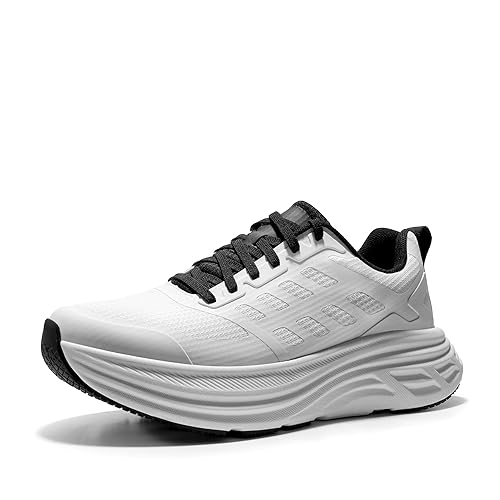
NORTIV 8 Women's Walking Shoes Running Tennis Sneakers
- Reebok Princess Sneakers for Women, Comfortable Walking or Tennis Womens Shoes – A casual, comfort-focused sneaker better suited to walking, errands and light activity than to structured running.

Reebok Princess Sneakers for Women, Comfortable Walking or Tennis Womens Shoes
Both alternatives are more casual in design than a dedicated neutral running trainer, so they make sense for runners who want a versatile everyday shoe rather than a purpose-built daily running model. For a broader look at women’s trainers across price and feature levels, see 7 Best Women's Brooks Running Shoes for Every Runner (2026).
FAQ
Is the Brooks Glycerin 22 a neutral or stability shoe?
The Glycerin 22 is a neutral running shoe. It does not include medial posting or guide rails designed to correct overpronation, so it suits runners with a balanced stride.
Are Brooks Glycerin 22 shoes good for long runs?
Their plush cushioning is designed for daily and longer-distance running, so many runners use them for long, easy efforts. They are generally less suited to fast tempo or race-pace work.
Do the Glycerin 22 run true to size?
Owners commonly report a fit that feels consistent with standard Brooks sizing, but individual foot shape varies. Check the brand’s size chart, measure your feet, and leave room at the toe.
How many miles should I run in Glycerin 22 shoes?
Many manufacturers suggest replacing running shoes after roughly 300 to 500 miles. Signs of wear include compressed midsole foam, uneven outsole tread and new aches during runs.
Can I use the Glycerin 22 for walking or gym workouts?
They can be worn for walking and light activity, but they are built primarily for running. For gym sessions involving lateral movement or heavy lifting, a cross-training shoe is usually a better fit.
Are these shoes suitable for trail running?
No. The Glycerin 22 is a road-oriented neutral trainer. For uneven or muddy terrain, look at a dedicated trail model with aggressive outsole lugs.
Should runners with knee or foot pain buy these shoes?
A new shoe may not solve an existing injury, and the right footwear depends on the individual. Please consult a physical therapist, sports medicine doctor or qualified running specialist before making changes if you have ongoing pain.
Related reading
- Brooks Waterproof Trail Running Shoes: 4 Best Picks for Wet Trails (2026)
- Brooks Running Shoes Trail: 5 Best Picks for Every Trail (2026)
- Brooks Running Shoes Adrenaline GTS: 5 Best Picks Compared (2026)
- Brooks Men's Ghost Trail Running Shoes Review: Who Is It For?
About Caleb Morgan
Caleb Morgan is part of our editorial team and reviews and edits our running gear & races guides, checking product details against manufacturer specifications and owner feedback.


