By Caleb Morgan
Updated November 2026
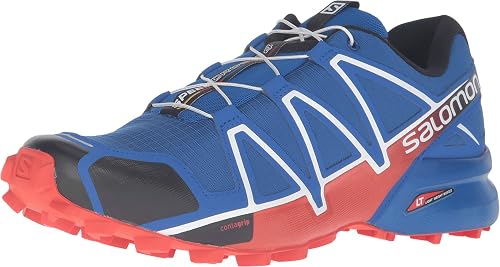
The Salomon women’s Genesis trail running shoes are built for runners who want a comfortable, all-around trail shoe for mixed terrain rather than a specialist racer or a deep-mud grinder. By the end of this guide, you will know how to judge whether the Genesis fits your foot shape and running style, what its core features do on the trail, how to check sizing before you order, and which situations call for a different shoe entirely.
What the Salomon Genesis Is Designed to Do
Salomon positions the Genesis as a versatile trail running shoe. It targets runners who spend most of their time on well-maintained single track, gravel roads, and moderately technical dirt, and who want one shoe that handles a long Saturday run and a shorter weekday session without much fuss. Think of it as the reliable middle ground in a trail lineup: more cushioning and stability than a lightweight race shoe, less aggressive lugging than a shoe built for mud and snow.
Shopping for one? See our guide: 5 Best Salomon Trail Running Shoes Women’s Picks Compared (2026).
If you are still comparing options across the brand, our guide to Salomon Trail Running Shoes: How to Choose the Right Pair in 7 Steps walks through the decision logic before you commit to a specific model.
Fit: Checking the Genesis on Your Foot
Fit matters more than any spec sheet. Trail shoes need to hold the heel firmly while leaving the toes room to splay on descents, when your feet slide forward inside the shoe.
Sizing Steps Before You Buy
- Measure your foot in the afternoon, when feet are slightly swollen from daily activity. Stand on a piece of paper and mark the longest toe and the heel.
- Compare that length to the brand’s size chart, not to your street shoe size. Many runners find trail sizes run slightly different from their casual sneakers.
- Plan for a thumb’s width (roughly half an inch) of space between your longest toe and the front of the shoe while standing.
- Lace the shoe snugly, stand up, and walk on a ramp or downhill if you can. Your toes should not jam into the front on a slope.
- Check the heel. Slight heel lift is normal in the first few runs, but persistent slipping can cause blisters.
Width and Foot Shape Considerations
Women’s trail shoes are generally cut narrower through the heel and midfoot than men’s versions, so runners with wider forefeet sometimes report pressure across the top of the foot. If your feet are wide, try the Genesis in person before ordering online, and consider whether your toes have room at the widest point of the forefoot. Runners with very narrow feet may find the heel cup roomy and need a thinner sock or a different lacing approach to lock it down.
For a deeper look at width issues across trail models, see Men's Trail Running Shoes Wide: How to Find a Pair That Fits Your Feet, which applies to any brand you are considering.
Key Features and What They Do on the Trail
Salomon designs its trail shoes around a few recurring elements, and the Genesis uses a combination suited to mixed terrain.
- Outsole lugs: The tread is moderately aggressive, enough for loose dirt and gravel without the deep, widely spaced lugs that can feel clunky on pavement transitions.
- Midsole cushioning: The cushioning sits between minimal and maximal. It absorbs repetitive impact on rocky descents without feeling mushy on flat sections.
- Upper construction: Mesh and reinforced overlays aim to balance breathability with protection from scrapes and debris.
- Heel and midfoot support: A structured heel counter helps keep the foot stable on off-camber sections.
Specific materials and stack heights can vary between colorways and production runs, so check the product page for the current specifications before you buy.
Who the Genesis Suits Best
The Genesis tends to work well for specific runner profiles:
- Runners who do most of their training on mixed trails, gravel, and packed dirt
- Those coming from road shoes who want a gentle step into trail running
- Runners who want one shoe for training and easy races
- Those looking for moderate support rather than a stripped-down minimal feel
It is less suited to runners who regularly tackle deep mud, wet rock scrambles, or snow. Those conditions call for more aggressive lugs or a waterproof upper. For that kind of terrain, the Salomon Speedcross 6 GORE-TEX Trail Running Shoes Review: Who Is It For? is a better comparison point.
How to Test the Genesis Before Committing to Long Runs
Trail shoes often feel fine in a store and then reveal problems at mile ten. A structured break-in helps you find issues early.
A Simple Break-In Plan
- Wear the shoes around the house for an hour to check for pressure points.
- Run a short loop of 2 to 3 miles on the terrain you use most.
- Build to 5 to 6 miles over the next two or three runs.
- Only then attempt a long run or a technical descent.
Signs the Fit Is Wrong
Watch for numbness in the toes, bruised toenails after descents, heel blisters that return each run, or a sense that the foot is sliding inside the shoe. These are signals to change the lacing, try a different sock, or return the shoe rather than push through.
Common Mistakes When Buying the Genesis
- Buying by street size only. Always check the brand’s size chart against your measured foot length.
- Skipping the downhill test. Toe jam only shows up on slopes, so test on an incline if you can.
- Ignoring the terrain match. A shoe that is perfect on dirt may feel slippery on wet rock or slick mud.
- Going straight to long runs. Break the shoe in gradually to avoid blisters and foot fatigue.
- Keeping shoes past their useful life. Worn lugs and compressed midsoles reduce traction and cushioning. Many runners replace trail shoes somewhere in the range of several hundred miles, but actual lifespan depends on terrain, body weight, and running form.
Recommended gear
Several accessories help the Genesis perform well across different conditions.
- Merino or synthetic trail running socks: Moisture-wicking socks with light cushioning reduce friction and help prevent blisters on long descents. View on Amazon
- Replacement lace system or runner’s lace locks: Lock laces keep the heel and midfoot secure without retying during a run. View on Amazon
- Gaiters for trail running: Lightweight gaiters keep gravel and debris out of the shoe on dusty or loose sections. View on Amazon
- Trail running hydration vest or handheld bottles: Useful if your runs exceed an hour, since trail conditions make refilling less convenient. View on Amazon
FAQ
Are the Salomon Genesis trail running shoes good for beginners?
They can be, because their moderate cushioning and stable heel make them forgiving on mixed terrain. Beginners should still break them in gradually and choose a fit that holds the heel without pinching the forefoot.
Do the Genesis shoes run true to size?
Fit varies by foot shape, so compare your measured foot length to the brand’s size chart rather than relying only on your usual shoe size. Testing on a downhill slope before committing is a useful check.
Can I use the Genesis for road running?
Occasional short pavement sections are fine, but the lugs can feel less smooth on long road stretches. Runners who do mostly road miles usually get better results from a dedicated road shoe.
Are the Genesis shoes waterproof?
Check the product listing for the specific version you are considering, since waterproof and non-waterproof options may be sold under different model names or variants. Non-waterproof trail shoes generally dry quickly but will let water in through the upper.
How long do trail running shoes like the Genesis last?
Lifespan depends on terrain, body weight, and frequency of use. Watch for worn lugs, a compressed midsole that feels flat, or new aches in the feet and legs as signs it is time to replace them.
Should I size up for trail running?
Some runners size up by a half size to allow for foot swelling and downhill toe movement, but this depends on your foot shape. Measure your foot and test the fit on an incline before deciding.
What socks work best with the Genesis?
Synthetic or merino blend socks with moderate cushioning are a common choice. Avoid thick cotton socks, which hold moisture and can increase blister risk on long runs.
Conclusion
The Salomon women’s Genesis trail running shoes suit runners who want a balanced, all-terrain shoe for mixed trails and gravel. Check your measured foot length, test the fit on a downhill, and break the shoes in gradually before committing to long efforts. If your runs involve deep mud, snow, or frequent wet rock, compare the Genesis against more aggressive options before you decide.
Related reading
- Salomon Shoes Women Trail Running: Speedcross Review (2026)
- Salomon Genesis Trail Running Shoes: Fit, Features, and Who Should Buy Them
- 6 Best Women's Trail Running Shoes Nikes for Every Terrain (2026)
- 5 Best Women's Altra Trail Running Shoes for Every Trail (2026)
Ready to choose one?
About Caleb Morgan
Caleb Morgan is part of our editorial team and reviews and edits our running gear & races guides, checking product details against manufacturer specifications and owner feedback.