 By Caleb Morgan
Updated November 2026
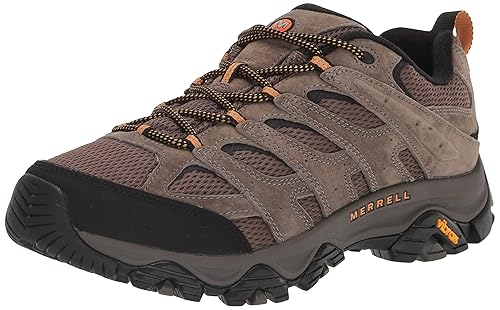
Gore-tex trail running shoes men’s buyers rely on are built with a waterproof-breathable membrane laminated inside the upper, designed to keep rain, puddles and wet grass from soaking your feet while still letting some vapor escape. This guide walks you through how that membrane works, when it earns its place in your rotation, and how to check fit, outsole grip and drop so you pick a pair you will actually run in. By the end, you will have a clear checklist for narrowing a shortlist of gore-tex trail running shoes men’s runners can trust in cold, wet or muddy conditions.
What Gore-Tex Actually Does in a Trail Shoe
Gore-Tex is a brand name for a expanded polytetrafluoroethylene (ePTFE) membrane. Its pores are small enough to block liquid water from getting in, yet large enough to let water vapor from sweat pass through. In a trail shoe, the membrane sits between the upper mesh and the lining, and it is sealed at the seams and tongue.
Shopping for one? See our guide: Gore Tex Trail Running Shoes Women's: 5 Best Picks for Wet Trails (2026).
Manufacturers generally describe this as keeping water out from the outside while allowing moisture to escape, though no membrane is perfectly breathable. Expect a gore-tex shoe to run warmer than a standard mesh trainer. That trade-off is the core decision you are making.
Step 1: Decide Whether You Need Waterproofing
Waterproofing is not automatically the better choice. It shines in specific conditions and can work against you in others. Use this quick filter before you shop:
- Choose gore-tex if you run in cold, wet climates, snow-melt trails, or areas where streams and puddles are common on your routes.
- Skip gore-tex if you mostly run in hot, dry weather, or you have a history of overheating or blister-prone feet in warm conditions.
- Consider a mesh shoe plus gaiters if your wet-weather running is occasional and you want a cooler shoe the rest of the year.
Also keep in mind that a waterproof upper does not keep water out from the top of the shoe if you run through deep water. Water will eventually enter over the collar and drain out the bottom, which is why some runners prefer a mesh shoe for stream crossings.
Step 2: Check the Fit Before Anything Else
A gore-tex upper is less stretchy than mesh, so fit matters more. Measure your feet in the afternoon, when they are slightly swollen, and compare to your usual road or trail size. Many runners find they need a half size up in trail shoes to leave room for descent-driven toe pressure.
Fit Checklist
- Stand with your weight evenly distributed and check for about a thumb’s width (roughly 10 to 12 mm) between your longest toe and the front of the shoe.
- Lace the shoe and walk downhill on a ramp or stairs. Your heel should not slip more than slightly.
- Check the width at the ball of your foot. Gore-tex uppers can feel snug across the forefoot, so if your feet are wide, look at a wide-last version.
- Test the collar. It should sit firmly around the ankle without pressure points on the Achilles.
If you have wide feet, our guide to Men's Trail Running Shoes Wide: How to Find a Pair That Fits Your Feet covers last widths and lacing techniques in more detail.
Step 3: Evaluate Outsole Traction for Wet Terrain
Waterproofing does nothing for traction on slick rock or mud. Look at the lug depth and pattern. Deeper, widely spaced lugs (often 4 mm or more) shed mud better. Shallower multidirectional lugs work well on packed dirt and mixed surfaces.
| Terrain | Lug Depth to Look For | Lug Pattern |
|---|---|---|
| Wet forest trail, roots | Moderate (3–4 mm) | Multidirectional, sticky rubber |
| Muddy, loose soil | Deep (4 mm+) | Widely spaced, aggressive lugs |
| Rocky, wet granite | Moderate with sticky compound | Flat-ish lugs for edge contact |
| Mixed road-to-trail | Shallow (2–3 mm) | Low-profile, durable rubber |
Several well-known trail models pair gore-tex uppers with aggressive outsoles. The Salomon Speedcross 6 GORE-TEX is one example often discussed for muddy conditions. For a closer look at its fit and traction, see Speedcross 6 GORE-TEX Trail Running Shoes: Fit, Traction, and Who Should Buy.
Step 4: Consider Drop, Cushioning and Stack Height
Drop is the height difference between heel and forefoot. Many trail shoes fall between 0 and 10 mm. Lower drop encourages a more midfoot strike, while higher drop tends to feel more forgiving if you are used to a heel-strike pattern. Make changes gradually, adding roughly 10 percent to weekly mileage at most when switching to a lower drop.
Stack height (the total cushioning under the foot) affects stability on uneven ground. A higher stack adds protection on long, rocky descents but can feel less stable on narrow technical sections.
Step 5: Run a Short Test Before Committing
Most runners should test a pair on a short run before committing to a long event or a multi-week training block. Look for:
- No heel slip on climbs or descents
- No hot spots or rubbing at the collar or tongue
- Toes that do not jam into the front on downhills
- Stable feel on side-sloped trails
If you are shopping across brands, a comparison of popular picks such as 6 Best Trail Running Shoes Men's: Top Picks Compared (2026) can help you narrow the field before you try them on.
Common Mistakes to Avoid
- Assuming waterproof means dry. Sweat builds up in gore-tex shoes, especially in warm weather. Pack an extra pair of socks for long runs.
- Buying the same size as your road shoes. Trail shoes with membranes often need more room, so recheck your measurement.
- Ignoring the sock. Thick socks change fit. Test with the socks you plan to run in.
- Running in deep water over the collar. Once water gets in from the top, it stays. Consider a mesh shoe for river crossings.
- Replacing shoes too late. Membranes can lose effectiveness as the outer fabric wears. Inspect for scuffs, seam separation and reduced grip.
Tips for Longer Life and Better Performance
- Rinse off mud after runs and let shoes air dry away from direct heat, which can warp adhesives.
- Use a DWR (durable water repellent) spray on the outer fabric to help water bead off, and reapply as the finish wears.
- Rotate two pairs if you run frequently. This gives foam time to recover and helps you spot wear patterns.
- Consider gaiters in heavy snow or slush to keep debris out of the collar.
Recommended Gear
- Salomon Speedcross 6 GORE-TEX — A widely recognized waterproof trail shoe with an aggressive outsole for mud and loose ground. View on Amazon
- Darn Tough merino running socks — Merino wool helps manage moisture and reduce blisters inside a waterproof shoe. View on Amazon
- Dirty Girl Gaiters — Lightweight gaiters that help keep mud, gravel and snow out of the shoe collar. View on Amazon
- Nikwax Waterproofing Wash-In or Spray — Designed to restore water repellency on outer fabrics. View on Amazon
FAQ
Are gore-tex trail running shoes men’s models worth it for everyday runs?
They are worth it if your routes involve frequent wet conditions, cold weather or water crossings. In dry, warm climates, a breathable mesh shoe usually feels better over longer distances.
Do gore-tex shoes run hot?
Yes, compared with most mesh trail shoes. The membrane limits airflow, so runners often notice more heat, especially above roughly 60°F. Lightweight socks and a breathable lining can help.
Should I size up in gore-tex trail shoes?
Many runners choose a half size up for room during descents, but this depends on your foot shape and the specific model. Always test with your running socks.
How long do gore-tex membranes last?
The membrane itself is durable, but the shoe’s outer fabric and seams wear over time. Replace shoes when you see seam separation, persistent leaks or significant tread wear. Exact lifespan varies with mileage and terrain.
Can I restore waterproofing?
You can often restore water repellency on the outer fabric with a DWR treatment. This does not repair a damaged membrane, so a leak from inside usually means the shoe needs replacing.
Are gore-tex shoes good for winter running?
They are a strong choice for cold, wet winter conditions because they block slush and snowmelt. Pair them with wool socks and consider gaiters in deep snow.
Do I need a special sock with waterproof trail shoes?
Not strictly, but moisture-wicking or merino socks help manage sweat inside the shoe, which is especially important with a membrane that limits evaporation.
When should I see a professional about foot pain from trail shoes?
If you develop persistent heel, arch or joint pain, consult a podiatrist, sports medicine doctor or physical therapist. Shoe changes alone may not solve an underlying issue.
Conclusion
Choosing gore-tex trail running shoes men’s runners will use consistently comes down to matching the membrane to your climate, confirming fit with your running socks, and checking that the outsole suits your typical terrain. Test the shoe on a short run, watch for heat build-up, and plan to rotate or replace pairs as the outer fabric wears. With those steps, you can pick a waterproof trail shoe that keeps your feet comfortable when the weather turns.
Related reading
Ready to choose one?
About Caleb Morgan
Caleb Morgan is part of our editorial team and reviews and edits our running gear & races guides, checking product details against manufacturer specifications and owner feedback.