 By Emily Parker
Updated November 2026
A heart rate watch running setup lets you see how hard your body is working in real time, so you can keep easy runs easy and save your hard efforts for the workouts that need them. This guide walks you through choosing the right sensor, setting your heart rate zones, and using the data without getting lost in the numbers.
How a Heart Rate Running Watch Measures Your Effort
Most running watches use optical sensors on the back of the wrist. These shine green light into the skin and read changes in blood flow with each heartbeat. The readings are generally reliable at steady paces, but they can lag or spike during sprints, hill climbs, and cold weather when the skin is tight or the watch sits loosely. A chest strap uses electrical signals from the heart and tends to track fast changes more closely, which is why many runners use one for interval sessions.
Shopping for one? See our guide: Garmin Forerunner 235 GPS Running Watch Review: Pros and Cons.
Wear the watch about a finger’s width above the wrist bone, snug but not tight. Make sure the sensor stays against bare skin, not over a sleeve.
Set Your Heart Rate Zones Before You Run
Zones only help if they match your body. Start with your maximum heart rate. A common estimate is 220 minus your age, but actual maximums often vary by 10 beats or more either way, so a field test is more accurate. After a thorough warm-up, run hard for about 20 minutes on a hill or flat course and note your average heart rate for the final 5 minutes.
Once you have a number, most watches let you enter it and calculate five zones automatically. Check that the zone boundaries make sense for your training goals.
Typical zone ranges
| Zone | Percent of max heart rate | Typical purpose |
|---|---|---|
| Zone 1 | 50–60% | Warm-up, recovery |
| Zone 2 | 60–70% | Easy aerobic base runs |
| Zone 3 | 70–80% | Steady tempo effort |
| Zone 4 | 80–90% | Threshold and intervals |
| Zone 5 | 90–100% | Short, maximal efforts |
Use Heart Rate to Guide Your Daily Runs
Pick a target zone before each run. For most recreational runners, the majority of weekly mileage should stay in Zones 1 and 2. A simple test: if you can hold a conversation in full sentences, you are probably in the right zone. Your watch may show a live zone indicator, which you can set as a vibration alert if it goes too high.
- Choose your target zone for the day based on the workout plan.
- Set a heart rate alert for the top of that zone.
- Start slowly and let your heart rate settle for the first 5 to 10 minutes.
- Review the zone breakdown after the run to see how much time you spent where.
Read Trends, Not Single Readings
One high reading means little. Over weeks, watch for patterns. If your heart rate at a given easy pace drifts lower, your aerobic fitness is likely improving. If your resting heart rate stays elevated for several days, you may need more recovery. Consult a doctor if you notice chest pain, dizziness, or an irregular rhythm during exercise.
Recommended gear
A chest strap improves accuracy during intervals and hill repeats, where wrist sensors often lag. View on Amazon
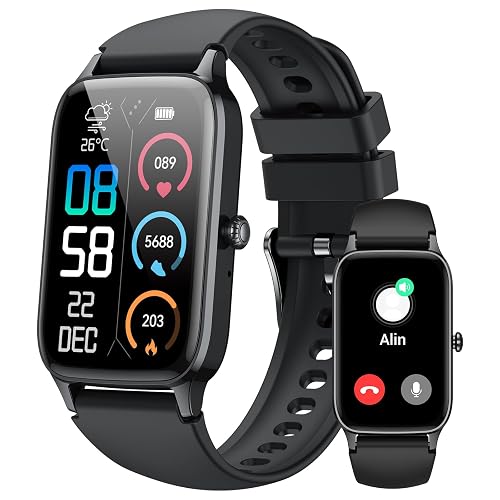
A sensor-equipped watch with a dedicated heart rate display makes it easier to glance at zones mid-run. View on Amazon
Common mistakes
- Using the 220 minus age formula without testing your real maximum.
- Running every session in Zone 4 and never training easy.
- Wearing the wrist watch too loose, which causes erratic readings.
- Ignoring heat, caffeine, dehydration, and poor sleep, which all raise heart rate.
- Comparing your numbers with other runners instead of your own past data.
For pacing ideas that pair well with heart rate work, see Pacing Watch for Running: How to Use One to Run Smarter (Step-by-Step) and Pace Watch for Running: How to Pick and Use One for Better Splits. If you are still choosing a device, Garmin Watch GPS Running: 7 Best Picks for Every Runner (2026) compares several options.
FAQ
Are wrist-based heart rate readings accurate enough for running?
For steady runs, wrist sensors are usually close enough to guide effort. They can lag during intervals, so a chest strap is more precise when you need exact numbers.
How often should I recalculate my heart rate zones?
Retest every 8 to 12 weeks or after a significant change in fitness, such as completing a training block or returning from a break.
Do I need a heart rate watch to run effectively?
No. Many runners train well using the talk test and perceived effort. A heart rate watch is a useful tool, especially for keeping easy days truly easy.
Conclusion
A heart rate watch running setup works best when you set accurate zones, pick a target before each run, and review trends over time. Start with easy runs in Zones 1 and 2, then add harder work once your baseline is clear. Consistency with the data matters more than any single workout.
Related reading
- Watch with Timer for Running: How to Use Interval and Lap Timers (Step-by-Step)
- Watch Is Running Slow: 6 Causes and How to Fix Each One
- TomTom Watch for Running: How to Choose and Use One in 7 Steps
Ready to choose one?
About Emily Parker
Emily Parker is part of our editorial team and reviews and edits our running gear & races guides, checking product details against manufacturer specifications and owner feedback.