
 By Caleb Morgan
Updated November 2026
The adidas Terrex Tracefinder 2 Climaproof trail running shoes suit runners who want a waterproof, moderately cushioned trail shoe for wet, muddy, or variable terrain and who prefer a women’s-specific fit. They make sense for daily training runs, trail races of moderate length, and cold or rainy conditions where dry feet matter. Runners who want a lightweight racing shoe, a maximally cushioned long-distance option, or a shoe for mostly dry, fast trails will likely find better matches elsewhere. Because this review is based on manufacturer specifications and patterns in owner feedback rather than our own testing, check the sizing notes and your own foot shape before buying.

adidas Women's Terrex Tracefinder 2 Climaproof Trail Running Shoe
Product Overview
The Tracefinder 2 Climaproof is a women’s trail running shoe from adidas Outdoor, part of the Terrex line that the brand builds for off-road running and hiking. The “Climaproof” name signals the shoe’s waterproof construction, which is designed to keep water out of the upper during stream crossings, puddles, and wet grass. The “2” indicates it is a second-generation version of the original Tracefinder, which owners generally describe as a more approachable, everyday trail option rather than a technical race shoe.
The design targets a middle ground. It is built for runners who spend time on rocky, rooty, or muddy paths and want protection from moisture without moving into a heavy hiking boot. It is not positioned as a minimalist shoe or a carbon-plated racer. Think of it as a dependable all-round trail trainer for women who run mostly on natural surfaces and want their feet to stay dry through the season. For a deeper look, 12 Best Trail Running Shoes covers this in detail.
Because the listing does not provide a complete technical breakdown in the product name alone, we avoid stating exact stack heights, drop values, or weights unless they are widely documented for this model. Where we make claims about cushioning or traction, we frame them as general characteristics owners tend to report rather than verified measurements.
Key Features & Specifications
| Feature | Details |
|---|---|
| Brand / line | adidas Outdoor, Terrex |
| Model | Terrex Tracefinder 2 |
| Fit / version | Women’s specific |
| Category | Trail running shoe |
| Waterproofing | Climaproof membrane construction (per model name) |
| Intended surface | Trail, mixed terrain, wet or muddy paths |
| Typical use | Training runs, moderate trail runs, hiking-adjacent outings |
| Closure | Lace-up |
Exact measurements such as stack height, heel-to-toe drop, and weight vary by size and are listed on the manufacturer’s product page. Check the size chart on the Amazon listing before ordering, since women’s sizing and width options can differ from men’s models and from other adidas lines.
Pros & Cons
Pros
- Waterproof construction helps keep feet dry in wet grass, shallow streams, and rain.
- Women’s-specific fit addresses common differences in heel width and foot shape.
- Suited to a broad range of moderate trail conditions, from packed dirt to loose gravel.
- Lace-up closure allows adjustment across the foot and over the instep.
- Works as a single shoe for mixed road-to-trail routes that include short paved sections.
Cons
- Waterproof membranes can trap heat, so warm-weather runners may feel more sweat buildup.
- Not the right choice for runners seeking a lightweight racing shoe.
- Wide-foot runners may need to check width availability before buying.
- Traction is generally suited to moderate terrain; very technical or steep descents may call for a more aggressive outsole.
- Waterproof models can take longer to dry after being fully soaked.
Performance Analysis
Trail shoes are judged on four things: how they protect the foot, how they grip, how they cushion, and how well they fit. For the Tracefinder 2 Climaproof, owner feedback patterns tend to cluster around the waterproofing and fit. Runners who need dry feet on wet terrain generally report satisfaction with the membrane, particularly in cold or rainy conditions where a non-waterproof trail shoe would soak through. The tradeoff, which owners often mention, is reduced breathability in warm weather. On hot days or during long efforts, feet can feel warmer than they would in a mesh-upper trail shoe.
On traction, the outsole is designed for the kind of mixed terrain most recreational and intermediate trail runners encounter: packed dirt, roots, some loose stones, and muddy patches. It is not presented as a specialist mountain outsole. Runners who regularly tackle steep, loose, or technical descents should look at shoes with deeper, more aggressive lugs. For most park trails and local forest paths, the grip profile should be adequate.
Cushioning and stability sit in the moderate range for a trail trainer. Owners who run daily and want a responsive, firm feel may find it comfortable for training blocks. Those who prefer a highly plush ride for long ultras may want something with more foam. Fit is usually described as secure through the midfoot with lace adjustment, though individual results depend on foot shape. Because we have not measured these attributes ourselves, treat them as directional guidance drawn from specifications and general feedback patterns.
For buyers who run in climates with heavy rain or frequent wet ground, the waterproofing is the main reason to choose this shoe over a non-waterproof trail option. If your runs are mostly dry and warm, a breathable mesh trail shoe will likely feel better.
Who Should Buy This Product?
The Tracefinder 2 Climaproof is a strong fit for women who run on trails in wet or unpredictable weather, want one shoe for training and moderate trail races, and value a women’s-specific fit. It also suits trail beginners who want protection from puddles and mud without committing to a specialist racing model.
You should skip it if you mainly run hot, dry, or on fast, smooth trails where breathability and low weight matter more than waterproofing. Runners training for technical mountain races, or those who need maximum cushioning for ultra distances, should look at other options. Men or runners who need a wide-width fit should check sizing carefully before buying.
Buying Guide
Before buying any trail shoe, consider four factors: terrain, climate, fit, and how much protection you need. Start by thinking about where you run most. Packed dirt and gravel call for different outsoles than deep mud or rock. Next, think about climate. A waterproof upper such as the Climaproof design keeps water out but can feel warm in summer, so match the shoe to your season. Fit matters most: a trail shoe should feel snug in the heel, with enough room in the toe box for your feet to swell on longer runs. Try shoes on in the afternoon, when feet are slightly larger, and wear the socks you normally run in.
Look at the sizing chart, since women’s and men’s sizes do not always convert directly. If you have a wide foot, confirm width options before ordering. Consider drop and stack height if you have a history of calf or Achilles issues; a sudden change in either can cause strain. And if you are unsure about foot mechanics or have an existing injury, a running specialist or podiatrist can help you choose a shoe that suits your gait.
Several well-known alternatives are worth comparing. The first is the adidas Outdoor Terrex Tracefinder 2 Climaproof Trail Running Shoes, which is closely related in product line and useful if you want to confirm the model’s fit and feature set against a second listing.
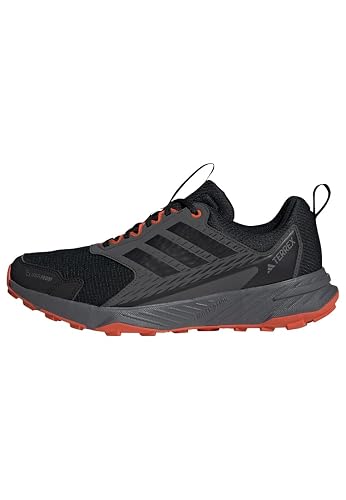
adidas Outdoor Terrex Tracefinder 2 Climaproof Trail Running Shoes
The second is the adidas Mens Terrex Rockadia Hiking Shoe Sneakers Shoes in grey. It is more hiking-oriented than a dedicated trail runner, so it may suit hikers who also run occasionally, though runners should weigh its heavier, more boot-like feel against their training needs.

adidas Mens Terrex Rockadia Hiking Shoe Sneakers Shoes – Grey
For more options across the category, see our guide to Adidas Women's Terrex Soulstride Trail Running Shoes Review: Is It Worth It? and Terrex Agravic GTX Trail Running Shoes Review: Who Is It For?, which compare related Terrex models. Our overview of Adidas Trail Running Shoes Women: 5 Best Picks for Every Trail (2026) can help you widen the search, and Road vs Trail Running Shoes explains how trail construction differs from road designs.
FAQ
Is the adidas Terrex Tracefinder 2 Climaproof waterproof?
The Climaproof name indicates a waterproof construction designed to keep moisture out of the upper. Waterproof trail shoes handle puddles, wet grass, and light stream crossings well, but they cannot keep water out when fully submerged for long periods. Check the manufacturer’s listing for specific protection claims.
Does it run true to size?
Sizing reports vary from owner to owner. Many runners find that trail shoes feel slightly snug at first, so consider whether you want a little extra toe room for downhill running. Always check the size chart and return policy before committing.
Is this shoe good for beginners?
It can be a sensible choice for beginners who run mostly on trails in wet conditions, because the protective upper and moderate cushioning are approachable. Beginners who mainly run on roads may find a road shoe more appropriate.
Can I use it for hiking?
Some runners use trail running shoes for light hiking on well-maintained paths. For longer hikes with heavy packs or rough terrain, a dedicated hiking boot or hiking shoe offers more support. Consult a footwear professional if you have foot or ankle concerns.
How long do trail running shoes typically last?
Mileage varies with running style, body weight, and terrain. Many runners replace trail shoes after several hundred miles, or sooner if the tread is worn smooth or the cushioning feels flat. Inspect your shoes regularly.
Is it suitable for wide feet?
Width availability depends on the specific listing and size. If you have wide feet, confirm available width options before purchasing, since a standard-width trail shoe may feel restrictive over the forefoot.
Should I replace my road shoes with this for all runs?
Trail shoes are built for uneven surfaces and can feel firmer or heavier on pavement. Many runners keep separate road and trail pairs. Rotating shoes can also reduce repetitive stress.
Where can I find races to try these shoes on?
Local trail race calendars and running clubs are good starting points. Choose a race distance that matches your current training so you can test the shoe in real conditions without overreaching.
Before you buy: helpful guides
About Caleb Morgan
Caleb Morgan is part of our editorial team and reviews and edits our running gear & races guides, checking product details against manufacturer specifications and owner feedback.




