
 By Emily Parker
Updated November 2026
The camelbak ultra running belt is aimed at runners who want to carry water, a few gels and a phone without the bounce and bulk of a full hydration vest. It suits road runners, half-marathon trainees and trail runners doing sessions of roughly an hour to two hours who want a low-profile hydration system that stays out of the way. It is a weaker choice for runners who need to carry a large amount of gear for long, self-supported efforts, or for anyone whose main concern is a very secure, zero-movement fit during fast, technical descents. Use the product page below to check the current listing details.
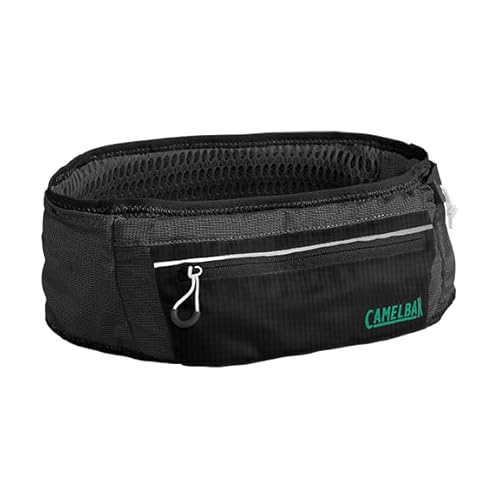
CamelBak Ultra Running Hydration Belt
Product Overview
The CamelBak Ultra Running Hydration Belt is a waist-mounted hydration system from CamelBak, a brand best known for hydration packs and bladders used by cyclists, hikers and runners. Its purpose is simple: keep fluid within reach on a run without the shoulder straps and chest bulk of a vest. Runners who have tried handheld bottles often switch to a belt because it leaves the hands free and keeps the weight centered over the hips.
The belt is built around the Ultra name, which CamelBak uses across its running line to signal a lighter, more streamlined design. For a general overview of how these systems differ, see What Is a Running Belt Used For? Uses, Types and Tips (2026). If you are still deciding on a style before comparing specific models, Types of Running Hydration Belt: 4 Styles and Who Each Suits lays out the main categories.
Because this is a research-based review, the description below reflects the product’s listing name and widely known characteristics for this model line rather than measured testing. Where a detail is not clearly established, it is left out.
Key Features & Specifications
The table below lists only the specifications and features that are clearly associated with this model or its product name. Confirm exact dimensions, capacity and materials on the listing before buying, since manufacturers revise details between versions.
| Feature | Details |
|---|---|
| Product type | Waist-mounted running hydration belt |
| Brand | CamelBak |
| Line | CamelBak Ultra running series |
| Carry style | Hip/waist belt with hydration bottle or bladder carry |
| Intended use | Road running, training runs and trail running |
| Fit | Adjustable waistband to suit a range of waist sizes |
| Storage | Small pockets for phone, keys and nutrition |
| Visibility | Reflective or light-colored elements are commonly associated with the Ultra line, which helps in low light |
Check the listing for the exact bottle or bladder capacity included, the number and size of pockets, and the waist size range. Those figures determine whether the belt fits your route length and your hip measurement.
Pros & Cons
Pros
- Keeps weight low and centered at the hips, so it feels less bouncy than a handheld bottle on steady runs.
- Leaves both hands free, which is useful for gels, watches and trail poles.
- Lighter profile than a full hydration vest for shorter outings.
- Pocket layout works well for a phone, a few gels and keys on training runs.
- Carries a familiar CamelBak design language that many runners already trust.
Cons
- Capacity is limited compared with a vest, so very long runs may need refills.
- Fit depends heavily on waist and hip shape; some owners report needing to re-tighten during long efforts.
- Bottles on a belt can shift side to side on uneven trail surfaces.
- Not designed to carry large amounts of gear for self-supported or multi-day efforts.
- Owners often mention that heavier loads make the belt feel less stable at fast paces.
Performance Analysis
Performance for a hydration belt comes down to three things: how much it moves, how easy it is to access fluid, and how well it handles your weight and sweat. Owner feedback patterns for belts in this category tend to follow the same themes, and they are worth weighing against your own running style.
Stability and movement
A belt sitting at the hips moves less than a shoulder-strap system when running straight, but it can shift when the terrain changes. On flat road runs at steady pace, most runners find the weight barely noticeable after the first few minutes. On rocky or rooty trails, a half-full bottle is more likely to bounce or drift to one side. Tightening the waistband before the run and checking the fit after the first mile usually solves most of this.
Fluid access
Reaching a bottle on a belt is generally quick, but the position matters. Bottles placed too far back are harder to grab without breaking stride. Practice grabbing and returning a bottle on an easy run before relying on it during a race or hard session.
Comfort and chafing
Comfort depends on the waistband material and how snug you wear it. Owners who run in heat often mention sweat under the waistband, which can cause irritation over long distances. Wearing the belt over a thin, moisture-wicking layer and avoiding overtightening can reduce rubbing. For a broader look at managing this, see Sweat Belt While Running: How to Choose and Wear One Without Chafing.
Capacity and runs of different lengths
For runs under about an hour, most runners can carry enough fluid on a belt in hot conditions. For runs beyond 90 minutes, especially in heat, plan for a refill point or consider a larger system. The right choice depends on your sweat rate and the availability of water on your route.
Who Should Buy This Product?
This belt suits runners who want quick, hands-free hydration on training runs, road races and moderate trail outings. It is a good fit if you have a stable waist and hip shape, prefer a low profile, and carry only essentials such as a phone, keys and a few gels.
You should probably skip it if you run very long distances without access to water, if you need to carry significant gear, or if you frequently run fast on technical terrain where any bounce is a problem. Runners with very small or very large waist measurements should confirm the size range before ordering. Anyone with a history of hip or lower back discomfort should consider how a waist-mounted load will feel over time, and a physiotherapist or sports medicine professional can advise if pain is a concern.
Buying Guide
Before buying any running hydration belt, measure your waist and hip at the point where the belt will sit, then compare that against the size range on the listing. Consider how much fluid you need per hour, which depends on temperature, your sweat rate and your pace. Think about what you actually carry: a phone that is too large for a pocket, or gels that do not fit a zipper pouch, will cause frustration on every run.
Bottle versus bladder is another decision. Bottles are easier to refill and clean, and they are usually quicker to grab. Bladders can hold more fluid but add weight and can be harder to access mid-stride. Check how the bottle or bladder locks into the belt before purchase.
If you are comparing options, two well-known alternatives are worth a look:
- CamelBak ProductsHydration Pack – a larger hydration pack suited to longer efforts where you need more capacity than a belt provides.

CamelBak ProductsHydration Pack
- CamelBak Ultra Belt Running Hydration Pack, Corsair Teal – a related Ultra-line option that carries the same design intent, useful if you want a different color or variant of the belt concept.

CamelBakLightweight Hydration Without BulkBreathableComfortable CarrySecure Phone StorageVisibility in Low Light Conditions Ultra Belt Running Hydration Pack, Corsair Teal
For a broader comparison of belts from different makers, Wirecutter Best Running Belt: 7 Top Picks Compared (2026) and Camelbak Ultra Running Hydration Belt: 6 Best Picks for Every Run (2026) offer useful context. If you run trails and want storage in a different format, Top 5 Instinct Trail Running Belts with Storage for Every Run covers that category.
FAQ
How should a running hydration belt fit?
It should sit snugly at the hips or waist without digging in. It should not slide when you run, and you should be able to breathe and move your hips freely. Check the fit after a few minutes of running and adjust as needed.
Is a belt better than a vest for road running?
For shorter road runs with light loads, many runners prefer a belt because it is lighter and less restrictive. For longer efforts or heavier gear, a vest often feels more stable. Your own comfort and route length should guide the decision.
Can I carry a phone on a hydration belt?
Many runners do, but check that the phone pocket fits your device size. A phone sitting against the hip can bounce, so a snug pocket with a secure closure is important.
How do I stop the bottle from bouncing?
Fill the bottle partly rather than fully, position it toward the back of the hip, and tighten the waistband. Some runners also find that a slightly lower position reduces side-to-side movement.
How much fluid should I carry?
This depends on temperature, pace and your sweat rate. Many runners plan for a set amount per hour and adjust for heat. If you have a medical condition that affects fluid balance, consult your doctor for personalized guidance.
Will a belt cause chafing?
It can, particularly in heat or on long runs. Wearing a thin base layer, keeping the belt snug but not tight, and checking the waistband for seams that rub can help reduce irritation.
Can I use the belt for trail running?
Yes, for moderate trail outings. On very technical or fast terrain, a belt may move more than a vest, so test your setup on easier trails first.
How do I clean the belt and bottles?
Rinse the belt after each run, hand wash the waistband if needed, and air dry it fully to prevent odor. Follow the manufacturer’s care instructions for the bottle and any bladder components.
Final Verdict
The camelbak ultra running belt is a sensible choice for runners who want lightweight, hands-free hydration on training runs, races of moderate length and light trail outings. Its strengths are a low profile, a centered load and easy access to fluid. Its limits are capacity, sensitivity to fit and reduced stability on rough terrain or with heavy loads. If your runs are under about two hours and you carry only essentials, it is worth serious consideration. If you need to carry more or run long and remote, look at a larger hydration system instead.
Related reading
About Emily Parker
Emily Parker is part of our editorial team and reviews and edits our running gear & races guides, checking product details against manufacturer specifications and owner feedback.





