
 By Caleb Morgan
Updated November 2026
Daily road running shoes need to handle the repetitive pounding of everyday miles without wearing out fast or causing discomfort. The five picks below were selected by reviewing manufacturer specifications, brand reputation and common owner feedback patterns on cushioning, fit, outsole durability and stability. Nothing here reflects personal testing.
Our top picks at a glance
- 1
 TOP CHOICEBest overallNike Men's Revolution 8 Road Running ShoesView on Amazon
- 2
 TOP CHOICEBest for neutral stabilityBrooks Men's Hyperion 3 Neutral Running ShoeView on Amazon
- 3
 TOP CHOICEBest for wide feetMen's Wide Running Shoes, Walking Sneakers, Wide Toe Box, CushionView on Amazon
- 4
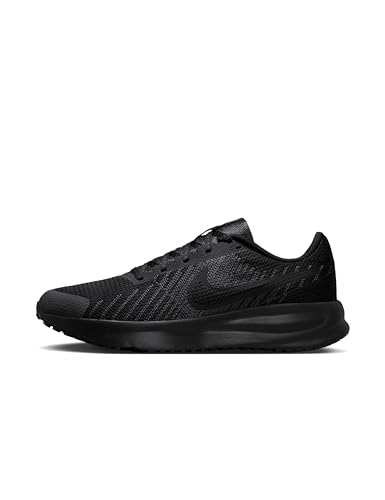 Best for long easy runsNike Men's Run Defy Road Running ShoesView on Amazon
- 5
 Best for cushioned daily trainingBrooks Men's Anthem 8 Running ShoeView on Amazon
Our Top Picks
Quick Comparison
| Product | Best for | Key feature |
|---|---|---|
| Nike Men’s Revolution 8 Road Running Shoes | Overall everyday running | Lightweight, flexible upper |
| Brooks Men’s Hyperion 3 Neutral Running Shoe | Neutral stability | Balanced cushioned ride |
| Men’s Wide Running Shoes, Walking Sneakers, Wide Toe Box, Cushion | Wide feet | Roomy toe box |
| Nike Men’s Run Defy Road Running Shoes | Long easy runs | Soft, responsive midsole |
| Brooks Men’s Anthem 8 Running Shoe | Cushioned daily training | Plush heel cushioning |
Nike Men’s Revolution 8 Road Running Shoes
Nike Men's Revolution 8 Road Running Shoes
Best for: Overall everyday running
A straightforward option for runners logging moderate weekly mileage who want a light, flexible shoe for routine road sessions.
Pros
- Light enough for daily use
- Flexible upper that feels natural on pavement
Cons
- Less cushioning than plusher daily trainers
Brooks Men’s Hyperion 3 Neutral Running Shoe
Brooks Men’s Hyperion 3 Neutral Running Shoe
Best for: Neutral stability
Suited to runners with a neutral gait who want consistent cushioning across many miles without added stability features.
Pros
- Balanced cushioning for steady road mileage
- Stable platform for neutral strides
Cons
- Not designed for runners who need motion control
Men’s Wide Running Shoes, Walking Sneakers, Wide Toe Box, Cushion
Men's Wide Running Shoes, Walking Sneakers, Wide Toe Box, Cushion
Best for: Wide feet
Aimed at runners whose feet need extra width in the forefoot who still want a cushioned, everyday shoe.
Pros
- Wide toe box reduces pressure on the forefoot
- Cushioned midsole for daily wear
Cons
- Fit and feel vary, so check sizing carefully
Nike Men’s Run Defy Road Running Shoes
Nike Men's Run Defy Road Running Shoes, Black/Anthracite, 11
Best for: Long easy runs
A good fit for runners building weekly distance who prefer a softer, more forgiving ride over the full run.
Pros
- Soft midsole suits longer easy efforts
- Responsive feel at a relaxed pace
Cons
- May feel too soft for faster tempo sessions
Brooks Men’s Anthem 8 Running Shoe
Brooks Men’s Anthem 8 Running Shoe
Best for: Cushioned daily training
Best for runners who want maximum cushioning underfoot for high-volume training weeks on hard pavement.
Pros
- Plush heel cushioning absorbs impact
- Durable build for frequent road use
Cons
- Heavier than lighter daily trainers
Buying Guide
Cushioning level
Higher-stack midsoles absorb more impact, which many runners prefer for daily road miles. Lighter cushioning can feel quicker but may leave tired legs sooner on long weeks.
Fit and toe box width
Your toes should have room to move without the heel slipping. If your forefoot feels cramped after a few kilometers, look for a wider toe box or a model offered in wide sizes.
Stability needs
Neutral shoes suit runners whose feet roll in only mildly. If you overpronate or have a history of shin or knee pain, a stability model may be more appropriate, and a sports medicine professional or running specialist can help assess your gait.
Outsole durability
Rubber outsoles on high-wear zones usually last longer on pavement than exposed foam. Check the manufacturer’s stated mileage guidance and replace shoes as cushioning compresses.
Good picks for this: Brooks Men’s Hyperion 3 Neutral Running Shoe and Brooks Men’s Anthem 8 Running Shoe
FAQ
How often should I replace daily road running shoes?
Many manufacturers suggest replacing road shoes roughly every 300 to 500 miles, though this depends on body weight, running surface and how quickly the midsole compresses.
Can I run in the same shoes every day?
You can, but rotating two pairs may extend the life of each and give cushioning time to recover between sessions.
Related reading
- 5 Best Lightweight Road Running Shoes for Fast Daily Miles (2026)
- Running Tennis Shoes Brands: 6 Options That Suit Court and Road Use (2026)
- Road vs Trail Running Shoes
- Durable and Cushioned Shoes to Start a Daily Running Habit
- Do I Need Trail Shoes for Trail Running? Road Shoes vs Trail Shoes Explained
About Caleb Morgan
Caleb Morgan is part of our editorial team and reviews and edits our running gear & races guides, checking product details against manufacturer specifications and owner feedback.


