
 By Caleb Morgan
Updated November 2026
Flat feet trail running shoes are a narrow category, and the OrthoComfoot Men’s Orthopedic Waterproof Trail Running Shoe is aimed squarely at runners who want built-in arch support and a cushioned, stable platform for mixed terrain. This review is based on the product listing, manufacturer-style claims, and common owner feedback patterns rather than hands-on testing. It is a good fit for men with flat feet or plantar fasciitis symptoms who mostly walk, hike, or run easy miles on groomed or moderately rough trails. It is a weaker choice for competitive trail runners who need a light, responsive shoe with aggressive lugs for technical descents, and for anyone who wants a shoe built primarily for speed.

OrthoComfoot Men's Orthopedic Waterproof Trail Running Shoes: Arch Support Sneakers for Plantar Fasciitis, Orthotic Comfort for Flat Feet, Hiking Gym Sport Walking Shoes for Foot & Heel Pain Relief
Product Overview
The OrthoComfoot men’s model is positioned as an orthopedic-style trail shoe. Its listing emphasizes arch support for flat feet, comfort intended to ease foot and heel pain, and waterproof construction for wet conditions. The name itself signals the product’s intent: a supportive, walking-and-hiking-friendly sneaker that also works for light trail running. It sits in a different lane from performance-focused trail shoes, which typically prioritize low weight and a firm, responsive ride. If you are comparing it with mainstream trail options, it helps to remember that many runners with flat feet end up choosing a stability or motion-control shoe from a major brand, and this model is pitched more toward comfort and support for the foot itself.
Because orthopedic-positioned footwear can vary widely in how firm the arch is and how much the heel is supported, it is worth reading the fit and support details closely before buying. Owners who have flat feet tend to pay the most attention to whether the arch feels like it is doing real work or just sitting there, and whether the heel cup holds the foot steady on descents. Those are the questions this review keeps returning to.
Key Features & Specifications
The table below lists only the features that appear in the product name or are well established for this type of shoe. Exact measurements such as stack height, drop, and weight vary by size and were not confirmed here, so they are omitted rather than guessed.
| Feature | What It Means for You |
|---|---|
| Men’s sizing | Designed for men’s foot shapes; check the size chart rather than assuming your usual size carries over. |
| Arch support | Built to support flat or low arches, the main reason flat-footed runners consider this category. |
| Orthopedic-style design | Aimed at reducing foot and heel discomfort associated with plantar fasciitis and similar complaints. |
| Waterproof construction | Helps keep feet dry in wet grass, puddles, and light rain; breathability may be reduced compared with mesh-only shoes. |
| Trail running and walking use | Suited to hiking, walking, gym work, and easy trail runs rather than racing. |
| Non-slip outsole | Provides grip on dry and damp surfaces; aggressive technical lug depth is not claimed. |
Pros & Cons
Pros
- Arch support is the central design goal, which suits runners with flat feet who need structure underfoot.
- Waterproofing extends usability into wet seasons and muddy approach trails.
- The comfort-first orientation fits walkers, hikers, and people managing heel discomfort.
- Works across several uses, including gym, walking, and easy trail miles, so it can serve as a versatile daily shoe.
- Non-slip outsole supports confident footing on common trail surfaces.
Cons
- Waterproof uppers can trap heat and moisture on warm days or during long efforts.
- Comfort-oriented shoes are typically heavier and less responsive than dedicated racing or fast-trail models.
- Orthopedic-style fit may feel roomy or unusually shaped for runners used to standard running lasts.
- Technical trails with loose rock, steep descents, or deep mud may call for more aggressive lugs.
- Sizing can be inconsistent in this category, so exchanges and fit adjustments may be necessary.
Performance Analysis
Performance in this shoe is best judged against its intended use. For walking, hiking, and gym sessions, the arch support and cushioning described in the listing are the features that matter most, and those are the areas where this model aims to excel. Runners who log easy miles on maintained paths or gravel should find the platform stable, though the added weight will be noticeable over longer distances compared with lightweight trail runners.
Owner feedback patterns in this category tend to cluster around three themes. First, people with flat feet often report that a firm, supportive arch reduces the fatigue they feel after long days on their feet. Second, waterproofing is frequently praised for wet-weather comfort but criticized for heat buildup during warm conditions. Third, fit is the most common source of disappointment, especially for runners whose feet are wider at the forefoot or who expect a snug, performance-style fit. Trying the shoe on later in the day, when feet are slightly swollen, and wearing the socks you plan to run in are sensible steps.
On technical terrain, the outsole should be judged realistically. The non-slip rubber will help on packed dirt and damp rock, but shoes built for comfort rather than aggression generally offer less bite on loose scree and steep, muddy descents. For runners whose routes are mostly smooth or moderately rough, this is less of a concern. For those on rugged mountain trails, a dedicated trail shoe with deeper lugs and a more rigid plate will likely perform better.
Who Should Buy This Product?
This shoe makes the most sense for men with flat feet, fallen arches, or heel discomfort who want a supportive sneaker that also handles light trail use and wet conditions. It is a practical choice for people who walk a lot, work on their feet, hike casually, or are rebuilding running volume gradually and need more arch control than a neutral trainer offers. If your foot discomfort is significant or persistent, the footwear is best treated as one part of a broader plan that may include a professional assessment.
You should probably skip this shoe if your main goal is competitive trail racing, fast descents on technical terrain, or a lightweight shoe for high-mileage training. Runners with neutral, high-arched feet who do not need added support may also find it heavier and more structured than necessary. Anyone who needs a precisely known fit from a particular running brand should compare last shapes carefully before committing.
Buying Guide
Before buying any shoe for flat feet, start with three questions: How much arch support do you need? How will you use the shoe most often? And how wet or rugged are your usual routes? Answering those helps narrow the field quickly. Arch support can range from mild to firm, and a shoe that feels comfortable for a short walk may feel unstable on a longer trail run, so match the support level to your actual mileage.
Fit deserves more attention than most buyers give it. Measure both feet in the afternoon, use the manufacturer’s size chart, and leave roughly a thumb’s width between your longest toe and the front of the shoe. Check heel lockdown by walking downhill or on a slight incline; excessive heel slip often leads to blisters. Waterproof shoes generally run warmer, so if you live in a hot climate, weigh that tradeoff carefully.
If this model does not fit your needs, consider these well-known alternatives:
- Brooks Men’s Adrenaline GTS 25 Running Shoe: a widely recognized stability-oriented running shoe that suits runners who want structured support for road and light trail use.
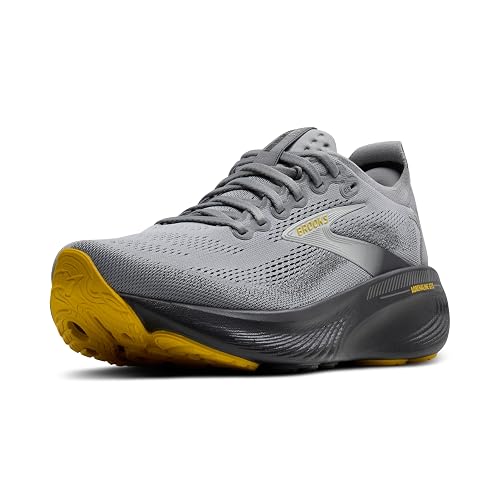
Brooks Men's Adrenaline GTS 25 Running Shoe
- OrthoComfoot Men’s Orthopedic Wide Plantar Fasciitis Shoes: a sibling style from the same brand, with a wide-fit option for runners whose feet need more room in the forefoot.

OrthoComfoot Men's Orthopedic Wide Plantar Fasciitis Shoes: Casual Support Trail Running Diabetic Flat Feet Fashion Sneakers, Comfrtabel Orthotic Non Slip Walking Hiking Shoes for Foot & Heel Pain Rel
For broader comparisons across brands and fit types, see 7 Best Running Shoes for Flat Feet Runners (2026): Our Picks Compared and 5 Best Running Shoes for People with Flat Feet: Top Picks Compared (2026). If your primary concern is waterproofing, Waterproof Trail Running Shoes Wide: 5 Fit Factors and Picks (2026) covers the tradeoffs in more depth. Runners new to the category may also find Best Trail Running Shoes Flat Feet: 5 Key Factors and Top Picks (2026) useful, and What Is a Rock Plate in Trail Running Shoes? A Clear Guide (2026) explains a feature that matters on rocky routes.
FAQ
Are flat feet trail running shoes different from regular trail shoes?
Yes. Shoes designed for flat feet usually include firmer arch support, a more stable heel counter, and sometimes a footbed shaped to limit overpronation. Standard trail shoes focus more on grip, weight, and responsiveness.
Can I run trails in an orthopedic-style shoe?
Many runners do, especially on maintained or moderately rough trails. The main tradeoffs are added weight and less responsiveness compared with lightweight trail models. Shoes like this are generally better for easy running and mixed-use days than for fast, technical racing.
Do waterproof trail shoes make feet hotter?
Often, yes. Waterproof membranes limit airflow, so feet can feel warmer in summer or during hard efforts. Moisture from sweat can also build up inside. Wearing moisture-wicking socks and choosing a non-waterproof shoe for hot weather can help.
How should I size a shoe for flat feet?
Measure your feet later in the day, when they are slightly swollen. Follow the brand’s size chart, leave about a thumb’s width of space in front of the longest toe, and test heel lock on a slope. Flat feet can also lengthen slightly under load, so some runners prefer a little extra room.
How long should a supportive trail shoe last?
Mileage varies widely, but many runners replace trail shoes after several hundred miles, or sooner if the midsole feels flat, the outsole lugs are worn smooth, or the arch support no longer feels firm. Check the outsole and midsole for compression each month if you train regularly.
Is this shoe suitable for plantar fasciitis?
Supportive footwear can help some people manage heel and arch discomfort, and the product is positioned with that goal in mind. However, footwear alone does not treat plantar fasciitis. If heel pain is persistent, sharp, or worsening, consult a podiatrist, physical therapist, or other qualified medical professional before relying on any shoe for treatment.
Should I use custom insoles with this shoe?
Some people with significant flat feet use custom or aftermarket orthotics. If you already use inserts, check that they fit without crowding the toe box or changing the heel lock. A professional fitting can help determine whether added inserts are necessary.
What should I look for besides arch support?
Pay attention to heel stability, toe box width, outsole grip for your typical terrain, and how the shoe handles over long distances. A shoe that is supportive but uncomfortable across the forefoot will not get used consistently.
Final Verdict
Is the OrthoComfoot Men’s Orthopedic Waterproof Trail Running Shoe Worth It?
For men who need flat feet trail running shoes with firm arch support, waterproofing, and a comfort-first build, this model is a sensible option to consider. It serves walkers, hikers, and light trail runners well, and its support-focused design addresses the needs that matter most to flat-footed wearers. It is less suited to competitive trail running, technical descents, or hot-weather efforts where breathability matters. Before buying, check the size chart carefully, test the heel lock, and compare it with the alternatives above. If foot pain is significant, a professional assessment is the best next step.
Related reading
- Trail Running Shoes Women Wide: 6 Key Fit Factors for Wide Feet (2026)
- Trail Running Shoes Wide Feet: A Step-by-Step Guide to Finding the Right Fit
- Men's Trail Running Shoes Wide: How to Find a Pair That Fits Your Feet
About Caleb Morgan
Caleb Morgan is part of our editorial team and reviews and edits our running gear & races guides, checking product details against manufacturer specifications and owner feedback.


