As an Amazon Associate I earn from qualifying purchases. This page may contain affiliate links.
Is it running shoes information you need before buying a pair? In short, yes: the right running shoe depends on your foot shape, gait, weekly mileage, and the surface you run on. Most runners do best by matching shoe type to these four factors, checking fit in person when possible, and replacing shoes before the midsole loses its cushioning.
Why running shoe information matters
A running shoe is a tool for managing impact. Every stride sends a force through your foot and leg that can reach several times your body weight, depending on speed and surface. A shoe that fits well and suits your mechanics spreads that load more evenly. A shoe that doesn’t can leave you with blisters, tight calves, or knee pain that shows up after a few weeks of consistent running.
Shopping for one? See our guide: Garmin Forerunner 235 GPS Running Watch Review: Pros and Cons.
Good information helps you avoid the two most common mistakes: buying based on looks or brand loyalty alone, and assuming one shoe works for every run. For a broader overview of how the categories fit together, see our Running Shoe Buying Guide.
The main factors that affect your choice
Foot shape and fit
Running shoes are sized differently from casual shoes. Most runners need half a size to a full size larger than their everyday size, because feet swell during a run. Width matters too. Many brands offer standard and wide versions, and a wrong width can cause numbness or pinching on the outside of the forefoot. Our Running Shoe Size Guide: How to Find Your Right Fit in 6 Steps walks through measuring and testing fit step by step.
Support type
Shoes are commonly grouped into neutral and stability designs. Neutral shoes suit runners whose feet roll inward only moderately. Stability shoes add firmer support on the inner side of the midsole to limit excessive inward rolling. Choosing between them is a fit question, not a strength question. If you’re unsure, a specialty running store can observe your gait or check your wear pattern. For a deeper comparison, read Neutral vs Stability Running Shoes.
Cushioning and stack height
Cushioning is a matter of preference and training load. Higher-stack shoes add more foam under the foot, which many runners find comfortable on long, slow days. Lower-stack shoes give a closer ground feel but may feel firm to runners who are used to softer platforms. If you’re considering a very tall platform, it helps to understand its stability trade-offs. See Is a High-Stack Running Shoe Stable? What Runners Should Know.
Surface and terrain
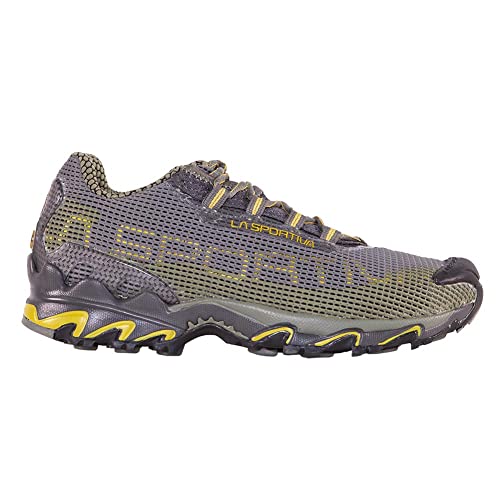
Road shoes use smoother outsoles designed for pavement and track. Trail shoes add lugs for grip and often more protection underfoot. Running a road shoe on loose, muddy trail can lead to slipping, while a heavy trail shoe on pavement can feel clunky. If you run both, you’ll likely need two pairs. Compare them in Road vs Trail Running Shoes.
Mileage and shoe life
Midsole foam compresses with use, and most manufacturers suggest replacing running shoes after roughly 300 to 500 miles, depending on the materials and your body weight. Signs of wear include visible creasing in the midsole, a shoe that feels flat or dead underfoot, outsole tread that is worn smooth, or new aches that appear without an obvious training change. Replacement timing is a common source of confusion, so track your miles in a running app or on your watch.
What to do: practical steps
- Note your typical weekly mileage, your main running surface, and any recurring foot or leg issues.
- Measure both feet at the end of the day, when they’re largest, and try shoes with the socks you actually run in.
- Stand, walk, and jog a few steps in the store. Your toes should have roughly a thumb’s width of space in front, and the heel should not slip.
- Check the shoe’s support category and match it to your fit and comfort, not to a guess about your arch.
- Buy a pair you can test on a run, if the retailer allows it, and keep the receipt in case the fit is off.
- Log the start date and mileage of each pair so you know when to rotate or replace.
Tips for making the information work for you
- Rotating two pairs can help distribute stress and extend the life of each shoe.
- Break in new shoes gradually. Use them for short runs first, then increase their share of your mileage.
- If a shoe causes pain that lingers beyond a few days, stop using it and seek advice from a sports medicine provider or podiatrist.
- Lacing changes can help with heel slip or pressure points, so adjust before you give up on a shoe.
What we’d use
Choose the category first, then the model. Here are common options to research by name:
- Brooks Ghost: a widely recognized neutral daily trainer with balanced cushioning. View on Amazon
- ASICS GEL-Kayano: a long-standing stability option for runners who need medial support. View on Amazon
- Saucony Peregrine: a popular trail model with aggressive grip for loose terrain. View on Amazon
Related questions
How do I know if I need stability shoes?
There is no single test. Persistent knee or shin discomfort, a noticeable wear pattern on the inner heel, or guidance from a running specialist can all point that way. Trying both categories on a run is often the clearest answer.
Should running shoes be a full size bigger?
Many runners do size up by half a size to a full size, but it depends on the brand and your foot shape. Check the fit with your running socks and make sure your toes have room without the heel slipping.
How often should I replace running shoes?
A common guideline is every 300 to 500 miles. Also replace them sooner if the midsole feels flat or the outsole is worn smooth, or if new aches appear without a clear cause.
Can I use road shoes on trails?
You can on light, dry trails, but road shoes lack the grip and protection that trail models provide. On muddy or technical ground, a trail shoe is the safer choice.
Do I need a running shoe store fitting?
It isn’t required, but a fitting can save time and reduce returns. If you buy online, look for a generous return policy and measure your feet carefully before ordering.