By Caleb Morgan
Updated November 2026
Most popular trail running shoes tend to share a few traits: a secure fit, grippy outsoles, and enough cushioning to handle rocky, uneven ground without feeling punishing on the road sections. The five models below were selected from product listings, brand reputation and common owner feedback patterns. Each one has a distinct strength, so the right pick depends on your terrain, foot shape and mileage.
Our top picks at a glance
- 1
 TOP CHOICEBest overallBrooks Men's Ghost Trail Running ShoeView on Amazon
- 2
 TOP CHOICEBest for wide feetNew Balance Men's Fresh Foam 410v9 Trail Running ShoeView on Amazon
- 3
 TOP CHOICEBest for technical terrainSaucony Men's Excursion Tr14 Trail Running ShoesView on Amazon
- 4
 Best for muddy trailsASICS Men's Gel-Venture 11 Trail Running ShoesView on Amazon
- 5
 Best for natural foot movementALTRA Men's Lone Peak 9 Trail Running ShoeView on Amazon
Our Top Picks
Quick Comparison
| Product | Best for | Key feature |
|---|---|---|
| Brooks Men’s Ghost Trail Running Shoe | Everyday trail runs | Balanced cushioning |
| New Balance Men’s Fresh Foam 410v9 Trail Running Shoe | Wide feet | Roomy toe box |
| Saucony Men’s Excursion Tr14 Trail Running Shoes | Technical terrain | Aggressive outsole lugs |
| ASICS Men’s Gel-Venture 11 Trail Running Shoes | Muddy trails | Deep multidirectional lugs |
| ALTRA Men’s Lone Peak 9 Trail Running Shoe | Natural foot movement | Zero-drop platform |
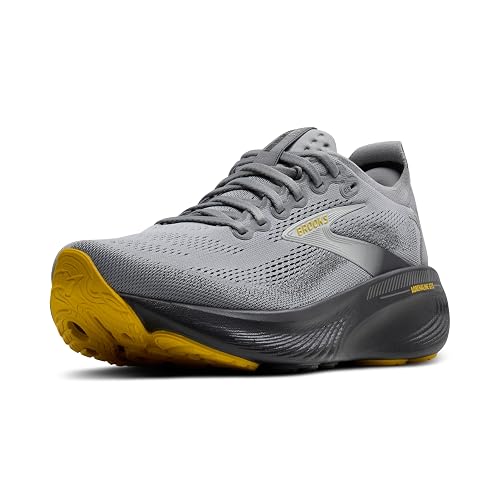
Brooks Men’s Ghost Trail Running Shoe
Brooks Men's Ghost Trail Running Shoe
Best for: Everyday trail runs
This is a versatile choice for runners who split their time between dirt paths, gravel and the occasional paved stretch. Its cushioning suits moderate distances without feeling overly soft underfoot.
Pros
- Smooth transitions between trail and road
- Consistent cushioning for longer efforts
Cons
- Less traction on loose, steep terrain than dedicated trail models
New Balance Men’s Fresh Foam 410v9 Trail Running Shoe
New Balance Men's Fresh Foam 410v9 Trail Running Shoe
Best for: Wide feet
Runners with broader forefeet often find this model comfortable through the toe area, and it works well for rugged, uneven trails where a stable platform matters.
Pros
- Roomy toe box that reduces pressure
- Stable base on uneven ground
Cons
- Heavier than lightweight racing options
Saucony Men’s Excursion Tr14 Trail Running Shoes
Saucony Men's Excursion Tr14 Trail Running Shoes
Best for: Technical terrain
Built for rocky, root-covered and steep routes, this shoe suits runners who spend most of their time on demanding singletrack rather than smooth dirt.
Pros
- Aggressive lugs grip loose surfaces
- Protective underfoot for rocky ground
Cons
- Can feel firm on long paved sections
ASICS Men’s Gel-Venture 11 Trail Running Shoes
ASICS Men's Gel-Venture 11 Trail Running Shoes
Best for: Muddy trails
Runners in wet, soft or variable conditions tend to appreciate the deep, multidirectional lugs that help the shoe bite through mud and damp grass.
Pros
- Strong grip in mud and wet dirt
- Comfortable fit for daily training
Cons
- Lugs can feel busy on hard-packed trails
ALTRA Men’s Lone Peak 9 Trail Running Shoe
ALTRA Men's Lone Peak 9 Trail Running Shoe
Best for: Natural foot movement
Runners who prefer a zero-drop platform and a wide, foot-shaped toe box will find this model familiar. It suits those transitioning gradually from traditional cushioned shoes.
Pros
- Zero-drop design with a wide toe box
- Good traction for mixed trail surfaces
Cons
- Requires an adjustment period for runners used to heel-raised shoes
Buying Guide
Terrain and Outsole Lugs
Lug depth and pattern determine how well a shoe grips. Shallow lugs work on packed dirt, while deeper, widely spaced lugs help in mud and loose gravel. Check whether the lugs are multidirectional, since that improves traction on turns and climbs.
Fit and Toe Box Width
A shoe that pinches the forefoot can cause blisters on long descents. Look for enough room that your toes can spread slightly when you stand, and test the fit with the socks you plan to run in.
Cushioning and Stack Height
Higher stack heights offer more protection from sharp rocks but can feel less stable on technical ground. Lower stacks give a closer feel to the trail but ask more of your feet and ankles over time.
Drop and Transition Needs
Heel-to-toe drop affects how your calves and Achilles tendon work. If you are changing drop, phase in the new shoes gradually. Anyone with a history of injury should consult a sports medicine professional or physical therapist before major changes.
Good picks for this: ALTRA Men’s Lone Peak 9 Trail Running Shoe, Brooks Men’s Ghost Trail Running Shoe
Related reading
- Most Cushioned Trail Running Shoes: 5 Best Picks for Long Runs (2026)
- Zegama 2 Trail Running Shoes: Fit, Traction, and Who They Suit (2026)
- Xero Trail Running Shoes: Fit, Traction, and How to Choose a Pair
About Caleb Morgan
Caleb Morgan is part of our editorial team and reviews and edits our running gear & races guides, checking product details against manufacturer specifications and owner feedback.