By Emily Parker
Updated November 2026
Choosing a running heart monitor watch comes down to a few practical questions: does the heart rate sensor stay accurate at a steady pace, is the battery strong enough for long runs, and does the watch fit comfortably on your wrist mile after mile. This list compares six models on those criteria, with a focus on how well each one suits everyday running and structured training. Descriptions draw on manufacturer specifications and common owner feedback patterns, not on our own testing.
Our top picks at a glance
- 1
 TOP CHOICEBest overallGarmin Forerunner 55, GPS Running Watch with Daily Suggested WorkoutsView on Amazon
- 2
 TOP CHOICEBest for budget trackingStep Counter, Heart Rate Monitor, Sleep Monitor, Alarm Clock, Stopwatch, Fitness TrackerView on Amazon
- 3
 TOP CHOICEBest for sport modesSmart Watch Fitness Tracker with 24/7 Heart Rate, Blood Oxygen Blood Pressure MonitorView on Amazon
- 4
 Best for blood oxygen dataMorePro Fitness Tracker with 24/7 Heart Rate & Blood Pressure MonitorView on Amazon
- 5
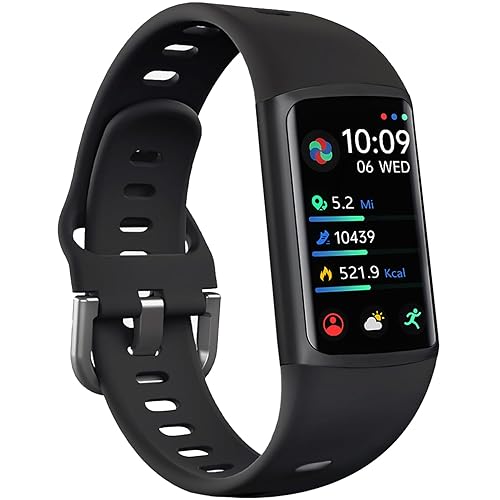 Best for slim comfort24/7 Heart Rate & Blood Pressure, Blood Oxygen, Sleep Monitor, IP68 WaView on Amazon
- 6
 Best for triathlon trainingTimex Ironman Triathlon Transit+ Watch with Activity Tracking & HeartView on Amazon
Our Top Picks
| Product | Best for | Key feature |
|---|---|---|
| Garmin Forerunner 55 | Structured running | GPS with daily workouts |
| Step Counter Heart Rate Monitor Fitness Tracker Watch | Budget tracking | No phone required |
| Smart Watch Fitness Tracker with 24/7 Heart Rate | Varied sport modes | 120 sport modes listed |
| MorePro Fitness Tracker with Heart Rate and Blood Pressure | Daily health trends | Blood oxygen tracking |
| FITVII Slim Fitness Tracker | All-day comfort | Slim profile design |
| Timex Ironman Triathlon Transit+ | Multisport training | Activity and heart rate |
Garmin Forerunner 55, GPS Running Watch with Daily Suggested Workouts
Garmin Forerunner 55, GPS Running Watch with Daily Suggested Workouts, Up to 2 Weeks of Battery Life, Black – 010-02562-00
Best for: Structured running
This watch suits runners who want built-in GPS pacing and guided training without paying attention to a larger feature set. Garmin specifies up to two weeks of battery life in smartwatch mode, which makes it practical for multi-day use between charges. 7 Best Garmin Watch Reviews for Running: Top Picks Compared (2026) goes further into this.
Pros
- Built-in GPS for pace and distance
- Daily suggested workouts
Cons
- Fewer advanced metrics than premium models
Step Counter, Heart Rate Monitor, Sleep Monitor, Alarm Clock, Stopwatch, Fitness Tracker
Step Counter, Heart Rate Monitor, Sleep Monitor, Alarm Clock, Stopwatch, Fitness Tracker, IP68 Waterproof Smart Watches Fitness Tracker Watch with Heart Rate, No App No Phone Required, Pedometer
Best for: Budget tracking
This tracker fits runners who want heart rate and step data without setting up a phone app. It works as a basic running heart monitor watch for steady-effort runs, though owners often note that optical readings can drift during fast intervals.
Pros
- Works without a phone or app
- Includes stopwatch and alarm functions
Cons
- Optical heart rate may lag during hard efforts
Smart Watch Fitness Tracker with 24/7 Heart Rate, Blood Oxygen Blood Pressure Monitor
Smart Watch Fitness Tracker with 24/7 Heart Rate, Blood Oxygen Blood Pressure Monitor Sleep Tracker 120 Sports Modes Activity Trackers Step Calorie Counter IP68 Waterproof for Andriod iPhone Women Men
Best for: Varied sport modes
This model is a fit for runners who cross-train and want many activity profiles on one device. The listing advertises 120 sports modes and continuous heart rate tracking, which is useful for mixed routines. Entry Level Running Watch: 6 Best Picks for Beginners (2026) goes further into this.
Pros
- Large selection of sport modes
- Continuous 24/7 heart rate tracking
Cons
- Blood pressure readings are estimates, not medical-grade
MorePro Fitness Tracker with 24/7 Heart Rate & Blood Pressure Monitor
MorePro Fitness Tracker with 24/7 Heart Rate & Blood Pressure Monitor, Blood Oxygen & Sleep Tracker, Smart Watch with Step Calorie Counter, IP68 Waterproof Activity Tracker for Women Men Android iOS
Best for: Blood oxygen data
This tracker suits runners who like to review recovery and sleep alongside heart rate. It works across both Android and iOS, which keeps setup simple for most phones. If you want more background, see Watch Running on Empty 1988: 7 Best Picks Compared (2026).
Pros
- Blood oxygen and sleep tracking included
- Works with Android and iOS
Cons
- Requires a companion app for full data
24/7 Heart Rate & Blood Pressure, Blood Oxygen, Sleep Monitor, IP68 Waterproof FITVII Slim Fitness Tracker
24/7 Heart Rate & Blood Pressure, Blood Oxygen, Sleep Monitor, IP68 Waterproof Activity Trackers with Calories Step Counter FITVII Slim Fitness Tracker for Women Men, Fitness Watch for Android iOS
Best for: Slim comfort
This slim design appeals to runners who find bulkier watches uncomfortable during long runs or sleep. The IP68 rating listed by the manufacturer covers sweat and rain exposure.
Pros
- Low-profile, comfortable fit
- IP68 water resistance listed
Cons
- Small screen can be hard to read mid-run
Buying Guide
Heart rate sensor accuracy during running
Wrist-based optical sensors can drift when your arm is moving quickly or when the watch is loose. Look for models that describe continuous monitoring with a steady-pace focus, and consider wearing the watch snugly, just above the wrist bone, during runs.
If you train by heart rate zones, accuracy matters more than extra features. A chest strap pairing option can be a useful backup for interval sessions where readings need to be precise.
Battery life for long runs and training weeks
Battery life varies widely. GPS use drains power much faster than basic step tracking, so a watch that lasts a week in everyday mode may only last a few hours with GPS running. Check whether the stated battery life refers to GPS use, smartwatch mode, or both.
Consider how often you will charge. Long marathon training blocks benefit from multi-day or multi-week battery life, while shorter daily runs work fine with a lighter battery.
GPS tracking versus connected GPS
Built-in GPS records your route and pace even without your phone nearby, which is helpful for trail runs, track workouts, and runners who leave their phone at home. Watches without GPS typically rely on your phone’s location, which works well for road runs but may be less precise on winding routes.
If you mostly run with your phone, connected GPS may be enough. If you want a standalone running tool, prioritize built-in GPS.
Comfort, fit, and water resistance
You will wear the watch during runs, sweaty workouts, and sleep tracking, so comfort counts. Lightweight designs with adjustable or soft straps tend to stay put without pressing too hard on the wrist. Water resistance ratings such as IP68 indicate protection against sweat and splashes, which is useful for rainy runs and swimming warm-ups, though swim-specific tracking is a separate feature.
Training features and app ecosystem
Think about the training tools you actually plan to use. Suggested workouts, pace guidance, and recovery insights can help structure a training plan, while basic step counts and calorie estimates may be all a casual runner needs. Check which phone platforms each watch supports and whether its companion app suits how you like to review your data.
FAQ
Are wrist-based heart rate monitors accurate enough for running?
Wrist sensors are generally good for tracking trends during steady runs, but they can be less precise during fast intervals or when the watch shifts on your arm. For the most reliable readings during hard efforts, many runners pair the watch with a chest strap. Wearing the watch snugly can also improve results.
Do I need GPS in a running watch?
GPS is not strictly required, but it is very useful if you want accurate distance and pace without carrying your phone. Runners who train outdoors on varied routes often find built-in GPS worth the extra battery use. If you mainly run on a treadmill or stay close to your phone, a non-GPS model may be sufficient.
How long should a running watch battery last?
It depends on how you use it. If you run with GPS several times a week, look for a watch that comfortably covers your longest training week between charges. Light everyday use with occasional workouts can stretch battery life considerably.
Can these watches track sleep and recovery too?
Many models include sleep monitoring and daily activity tracking, which can help you judge recovery between hard sessions. Sleep data is usually estimated from movement and heart rate, so treat it as a general guide rather than a medical measurement. Pairing it with how you feel each morning gives a more complete picture.
Are fitness trackers with blood pressure or blood oxygen readings reliable?
Some budget-friendly trackers advertise blood pressure and blood oxygen features, but these readings are estimates and are not a substitute for clinical devices. If you have a health condition or concerns, talk with your doctor before relying on these numbers. Use them as general trends rather than diagnostic results.
Which watch works best with both Android and iPhone?
Most of the models in this list are designed to pair with both Android and iPhone, but feature support can vary by platform. Check the manufacturer’s compatibility notes before buying, especially if you want advanced features like notifications, music control, or detailed training analysis.
Conclusion
If you want a dedicated running companion with built-in GPS and structured training guidance, the Garmin Forerunner 55 is the strongest fit. Runners on a tighter budget who mainly want heart rate and general activity tracking will find the lower-cost fitness trackers in this list more practical.
Choose based on how you run: serious training and route tracking favor GPS models with solid battery life, while casual runners who want everyday monitoring and sleep data can save with a simpler tracker.
Related reading
- Running Watch with Heart Rate Monitor: How to Choose and Train Smarter (2026)
- Heart Rate Watch Running: How to Use One to Train Smarter
- Women's Garmin Running Watch: 6 Best Picks for Every Runner (2026)
- Where to Watch Running Point Season 2: Streaming Options and How to Find It
About Emily Parker
Emily Parker is part of our editorial team and reviews and edits our running gear & races guides, checking product details against manufacturer specifications and owner feedback.