
 By Caleb Morgan
Updated November 2026
Finding running shoes for excessive pronation starts with understanding how much your foot rolls inward after each strike and whether your current pair controls that motion. This list compares seven stability-focused options using selection criteria based on product specifications, brand reputation and common owner feedback: midfoot support, heel fit, cushioning level, width availability and how well each model suits daily training versus longer runs.
Our top picks at a glance
- 1
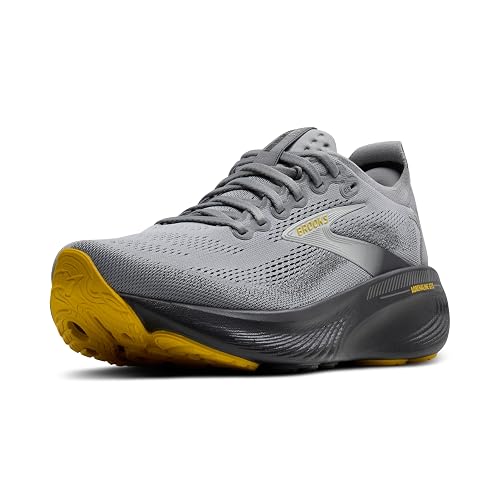 TOP CHOICEBest overallBrooks Men's Adrenaline GTS 25 Running ShoeView on Amazon
- 2
 TOP CHOICEBest for womenBrooks Women's Adrenaline GTS 25 Running ShoeView on Amazon
- 3
 TOP CHOICEBest for wide feetOrthoComfoot Men's Wide Orthopedic Trail Running ShoesView on Amazon
- 4
 Best for everyday runsBrooks Men's Revel 8 Running ShoeView on Amazon
- 5
 Best for cushioned comfortASICS Men's Gel-Cumulus 27 Running ShoesView on Amazon
- 6
 Best for long distanceBrooks Men's Beast GTS 26 Running ShoeView on Amazon
- 7
 Best for soft landingsBrooks Men’s Glycerin GTS 23 Running ShoeView on Amazon
Our Top Picks
Quick Comparison
| Product | Best for | Key feature |
|---|---|---|
| Brooks Men’s Adrenaline GTS 25 | Overall stability | Guidance support system |
| Brooks Women’s Adrenaline GTS 25 | Women’s fit | Women-specific last |
| OrthoComfoot Men’s Wide Orthopedic | Wide feet | Arch and heel support |
| Brooks Men’s Revel 8 | Everyday runs | Lightweight, flexible build |
| ASICS Men’s Gel-Cumulus 27 | Cushioned comfort | Gel cushioning units |
| Brooks Men’s Beast GTS 26 | Long distance | Extra midsole stability |
| Brooks Men’s Glycerin GTS 23 | Soft landings | Plush, responsive foam |
Brooks Men’s Adrenaline GTS 25 Running Shoe
Brooks Men's Adrenaline GTS 25 Running Shoe
Best for: Overall stability for excessive pronation
This is a go-to stability shoe for runners who want firm inward-roll control without a stiff ride. It suits most training weeks and is a sensible first pick for men who overpronate.
Pros
- Guidance support keeps the foot from rolling too far inward.
- Smooth transitions suit both easy and tempo days.
Cons
- Can feel firm for runners who prefer a very soft platform.
Brooks Women’s Adrenaline GTS 25 Running Shoe
Brooks Women's Adrenaline GTS 25 Running Shoe
Best for: Women who need stability for overpronation
The women’s version uses a narrower heel and a shaped last, which many women find more secure than unisex models. It is well suited to road training and regular mileage.
Pros
- Women-specific fit reduces heel slippage for many runners.
- Same stability system as the men’s model.
Cons
- Sizing still varies, so try on both width and length if possible.
OrthoComfoot Men’s Wide Orthopedic Trail Running Shoes
OrthoComfoot Men's Wide Orthopedic Trail Running Shoes, Arch Support Diabetic Plantar Fasciitis Sports Sneakers, Comfortable Casual Athletic Standing Work Outdoor Shoes for Flat Feet & Heel Pain Relie
Best for: Wide feet and added arch support
This model is aimed at runners with wider forefoots and flat feet who want a roomier toe box and pronounced arch support. It leans toward all-day comfort as much as running.
Pros
- Wide sizing accommodates broader feet.
- Built-in arch support targets flat-foot alignment.
Cons
- Less responsive than dedicated performance running shoes.
Brooks Men’s Revel 8 Running Shoe
Brooks Men’s Revel 8 Running Shoe
Best for: Everyday runs with mild-to-moderate overpronation
A lighter option for runners whose overpronation is moderate and who log short to medium runs. It offers more flexibility than heavier stability models.
Pros
- Lightweight build for easy days.
- Flexible forefoot feels natural underfoot.
Cons
- Less medial support than full stability shoes for severe overpronation.
ASICS Men’s Gel-Cumulus 27 Running Shoes
ASICS Men's Gel-Cumulus 27 Running Shoes
Best for: Cushioned comfort on road miles
Runners who want plush cushioning while still getting some alignment help often pick this neutral-leaning cushioned trainer. It suits steady road training.
Pros
- Gel cushioning absorbs impact well on hard surfaces.
- Comfortable for longer easy runs.
Cons
- Stability control is lighter than dedicated stability models.
Brooks Men’s Beast GTS 26 Running Shoe
Brooks Men’s Beast GTS 26 Running Shoe
Best for: Long-distance stability
Designed for runners covering high weekly mileage who need firm, consistent support through fatigue. It is a fit for marathon training blocks.
Pros
- Substantial midsole stability for long efforts.
- Durable outsole suits high mileage.
Cons
- Heavier than everyday trainers.
Buying Guide
Level of Motion Control and Stability
Excessive pronation means the foot rolls inward too far and too long after landing. Stability and motion-control shoes add firmer support on the inner side of the midfoot to slow that roll, so look for models labeled stability or motion control rather than neutral cushioning shoes.
Many stability shoes use a medial post or guidance system to keep the foot aligned. Choose the level that matches how much your foot collapses, and if you are unsure, a podiatrist or running specialist can assess your gait.
Heel Fit and Midfoot Lockdown
A secure heel and a snug midfoot help the shoe do its job. If your heel slips, the foot can roll more than the shoe is designed to control, so test the fit with the laces tied firmly and walk or jog a few steps before deciding.
Pay attention to how the upper wraps around the arch. A good fit should feel supportive without pinching, especially across the top of the foot.
Cushioning Level and Ride Feel
Stability shoes vary in cushioning, from plush models suited to long runs to firmer options that feel more structured for everyday miles. Softer cushioning can feel comfortable but may give less control if you pronate heavily, while firmer foams often provide a more stable platform.
Think about your typical distance and surface. Road runners and treadmill users often prefer a smooth, balanced ride, while those who run on trails or uneven ground may want extra grip and a more protective feel.
Width Options and Toe Box Room
Feet that overpronate are often wider or flatter than average, so width availability matters. A shoe that is too narrow can cause pressure, blisters or numbness, which can make the whole stride feel worse.
Check whether a model comes in wide or extra-wide sizes, and make sure there is enough room in the toe box for your toes to spread slightly during each stride.
Training Use and Durability
Consider how you plan to use the shoes. A stability shoe for daily training should handle repeated miles without losing its support, while a model for occasional longer runs may prioritize extra cushioning. Durability also depends on outsole material and how quickly the midsole compresses over time.
Most running shoes lose their support gradually, so replacing them every several hundred miles or when you notice reduced stability helps keep your feet and joints comfortable.
FAQ
What does excessive pronation mean?
Excessive pronation is when the foot rolls inward more than normal after the heel strikes the ground. It can place extra stress on the arch, ankle, knee and hip over time. A gait analysis from a specialist can help confirm whether this applies to you.
Are stability shoes always better for overpronation?
Stability shoes are designed to limit excessive inward roll, so they are a common choice for overpronators. However, comfort and fit matter just as much as the feature list. The right shoe is the one that feels secure, supportive and comfortable during your own runs.
Should I buy a wide version if I have flat feet?
Many people with flat feet benefit from extra width because their foot spreads more when it lands. Trying on wide sizes can prevent pressure and rubbing. Always check the fit while standing and moving, not just while sitting.
How often should I replace running shoes for overpronation?
Most runners replace shoes after roughly 300 to 500 miles, though this varies by model and body weight. Signs it is time include visible midsole compression, reduced support or new aches in the feet, knees or hips. Rotating two pairs can also help extend the life of each.
Can I use orthotic inserts with stability shoes?
Some runners add custom or over-the-counter orthotic inserts for extra arch support. Check that the insert fits comfortably in the shoe without crowding the toe box. If you have ongoing foot pain, consult a podiatrist before changing your setup.
Conclusion
If you want a proven stability option for daily training, the Brooks Adrenaline GTS models suit most overpronators, with the men’s and women’s versions offering the same supportive design in different fits. Runners who need extra width or a plush feel for everyday comfort may prefer the OrthoComfoot option, while those who want a balanced ride for road miles can look at the Revel, Gel-Cumulus and Glycerin models.
For longer runs or heavier training weeks, the Beast GTS and Glycerin GTS offer more cushioning and structure. Matching the shoe to your foot shape, distance and surface will make the biggest difference in comfort and support.
Related reading
- Running Shoes for Pronation Feet: 7 Best Picks for Every Stride (2026)
- Pronation in Running Shoes: 6 Best Picks for Overpronators (2026)
- Over Pronation Trail Running Shoes: 6 Best Picks for Every Trail (2026)
- Best Trail Running Shoes Pronation: How to Choose the Right Pair (2026)
- 7 Best Trail Running Shoes for Pronation: Our Picks for Every Trail
About Caleb Morgan
Caleb Morgan is part of our editorial team and reviews and edits our running gear & races guides, checking product details against manufacturer specifications and owner feedback.


