
 By Caleb Morgan
Updated November 2026
Running shoes for support help control how your foot moves through each stride, which matters most if you overpronate, have flat arches, or deal with heel or arch pain. This list focuses on shoes and supportive options chosen for stability features, arch support, and fit, drawing on product listings, brand positioning, and common owner feedback rather than any testing of our own.
Our top picks at a glance
- 1
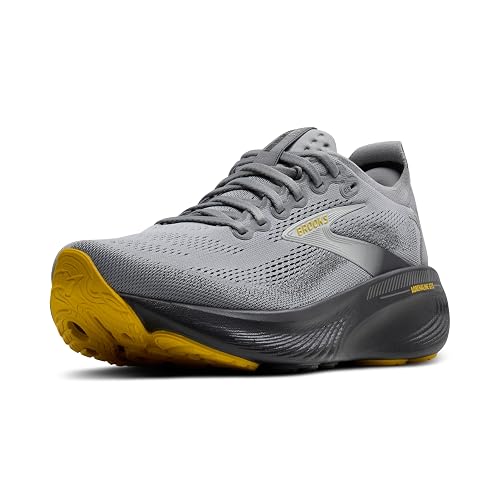 TOP CHOICEBest overallBrooks Men's Adrenaline GTS 25 Running ShoeView on Amazon
- 2
 TOP CHOICEBest for plantar fasciitisOrthoComfoot Women's Orthopedic Road Running ShoesView on Amazon
- 3
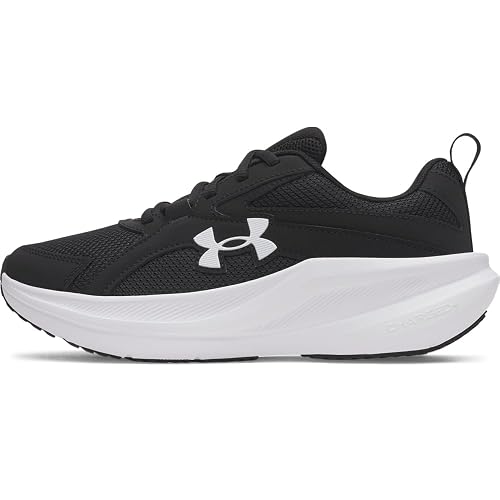 TOP CHOICEBest for women's daily trainingUnder Armour Women's Charged Assert 11 Running ShoesView on Amazon
- 4
 Best for men's daily trainingUnder Armour Men's Charged+ Assert 11 Running ShoesView on Amazon
- 5
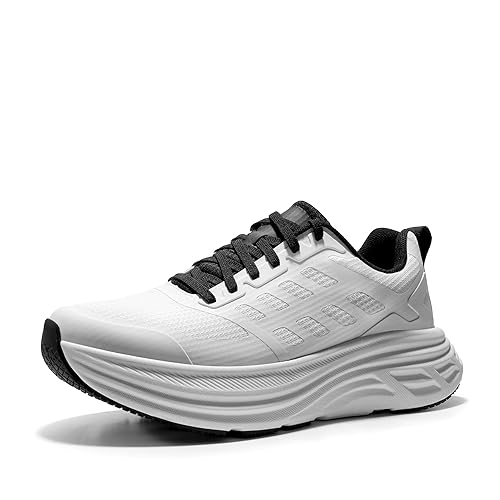 Best budget walking-run hybridNORTIV 8 Women's Walking Shoes Running Tennis SneakersView on Amazon
- 6
 Best add-on arch supportDr. Scholl's Sport Insoles Arch Support Inserts for MenView on Amazon
Our Top Picks
Quick Comparison
| Product | Best for | Key feature |
|---|---|---|
| Brooks Men’s Adrenaline GTS 25 Running Shoe | Overpronation and stability | Guidance support system |
| OrthoComfoot Women’s Orthopedic Road Running Shoes | Plantar fasciitis and heel pain | Built-in arch support |
| Under Armour Women’s Charged Assert 11 Running Shoes | Women’s daily training | Cushioned, lightweight midsole |
| Under Armour Men’s Charged+ Assert 11 Running Shoes | Men’s daily training | Cushioned, lightweight midsole |
| NORTIV 8 Women’s Walking Shoes Running Tennis Sneakers | Light running and walking | Versatile, everyday fit |
| Dr. Scholl’s Sport Insoles Arch Support Inserts for Men | Adding support to any shoe | Removable arch insert |
Brooks Men’s Adrenaline GTS 25 Running Shoe
Brooks Men's Adrenaline GTS 25 Running Shoe
Best for: Overpronation and stability
This is a common choice for runners whose feet roll inward and who want a stability shoe without an overly rigid feel.
Pros
- Designed around a guidance system for inward foot roll
- Well-cushioned for longer training runs
Cons
- Heavier than neutral daily trainers
OrthoComfoot Women’s Orthopedic Road Running Shoes
OrthoComfoot Women's Orthopedic Road Running Shoes,Comfortable Arch Support Plantar Fasciitis Sports Sneakers, Casual Orthotic Supportive Athletic Walking Shoes for Foot & Heel Pain Relief
Best for: Plantar fasciitis and heel pain
Aimed at women who want firm arch support and an orthopedic-style build for everyday wear and light runs.
Pros
- Built-in arch support aimed at heel and arch discomfort
- Designed for both walking and light running
Cons
- Firmer feel may take a few days to adjust to
Under Armour Women’s Charged Assert 11 Running Shoes
Under Armour Women's Charged Assert 11 Running Shoes
Best for: Women’s daily training
A straightforward daily trainer for women who want cushioning and a secure fit for regular easy miles.
Pros
- Lightweight cushioned midsole for everyday runs
- Secure heel and lockdown fit
Cons
- Limited stability features for significant overpronation
Under Armour Men’s Charged+ Assert 11 Running Shoes
Under Armour Men's Charged+ Assert 11 Running Shoes
Best for: Men’s daily training
A men’s daily trainer suited to runners who want steady cushioning and a neutral, everyday ride.
Pros
- Cushioned ride for regular training miles
- Comfortable, secure upper
Cons
- Not a dedicated stability shoe
NORTIV 8 Women’s Walking Shoes Running Tennis Sneakers
NORTIV 8 Women's Walking Shoes Running Tennis Sneakers
Best for: Light running and walking
A versatile option for women who alternate between walking and light jogging and want a comfortable everyday sneaker.
Pros
- Versatile for walking, gym sessions, and short runs
- Comfortable everyday fit
Cons
- Not built for high-mileage running
Dr. Scholl’s Sport Insoles Arch Support Inserts for Men
Gel insoles for men, superior shock absorption, sport insoles for shoes, reduce stress on lower body joints, Men Size 8-14 Dr. Scholl’s Sport Insoles Arch Support Inserts for Men, Shoe Inserts
Best for: Adding support to any shoe
Useful for men who already like their shoes but need extra arch support, or who want to upgrade a shoe that feels too flat.
Pros
- Easy to move between shoes
- Adds arch support without changing the shoe
Cons
- Cannot fix a shoe that does not fit well
Buying Guide
Stability vs. motion control
Stability shoes use firmer medial support to limit inward roll, which suits moderate overpronators. Motion-control shoes are stiffer still and are usually reserved for severe overpronation.
Arch height and foot type
Flat feet often benefit from firmer arch support, while high arches may need more cushioning and less rigid support. Check how your shoe feels when you press the midfoot.
FAQ
Do I need running shoes for support if I overpronate?
Overpronation means your foot rolls inward more than is ideal during each stride, and stability or motion control shoes are generally designed to limit that movement. Many runners who overpronate find these shoes more comfortable over longer distances. If you are unsure about your foot motion, a visit to a running specialist or podiatrist can help you decide.
Are supportive shoes good for flat feet?
Flat feet often benefit from shoes with firm arch support and a stable heel counter, since these features help control excessive inward rolling. Some runners with flat feet also find that a supportive insole adds extra comfort. Try on several options and walk or jog in them before committing to a pair.
Can running shoes help with plantar fasciitis?
Supportive shoes with good arch cushioning may help ease strain on the plantar fascia for some people, especially during everyday walking and light activity. They are not a medical treatment, though, and persistent heel or arch pain should be evaluated by a healthcare professional. Pairing supportive footwear with stretching and rest can be a sensible approach.
How often should I replace supportive running shoes?
Most running shoes lose their cushioning and structural support after roughly 300 to 500 miles, though this varies with body weight, running surface, and shoe design. Signs of wear include visible creasing in the midsole, a worn-down heel, or new aches after runs. Replacing shoes on time helps maintain the support they were built to provide.
Should I use an insole with my running shoes?
An arch support insole can add targeted support, particularly if your shoes feel slightly too flat or your arches need more lift. Make sure any insole fits inside your shoe without crowding the toe box. If discomfort continues, the shoe and insole combination may need adjustment.
What is the difference between stability and motion control shoes?
Stability shoes offer moderate support for mild to moderate overpronation, while motion control shoes provide firmer guidance for more significant inward rolling. Both aim to keep the foot aligned, but the level of structure differs. Choosing between them often depends on how much your foot moves and how comfortable each style feels.
Conclusion
If you want a well-rounded stability shoe for daily running, the Brooks men’s option and the Under Armour women’s and men’s Assert models are good places to start, depending on your gender and fit preferences. For heel or arch pain, the OrthoComfoot shoe or a supportive insole such as the Dr. Scholl’s option may suit you better, especially for walking and everyday wear.
Runners who prefer a lower-cost, walking-focused shoe with arch support can consider the NORTIV model, while those who are unsure about their foot type should try several styles in person before buying. Always prioritize a comfortable, secure fit, and consult a professional if pain persists.
Related reading
- Zegama 2 Trail Running Shoes: Fit, Traction, and Who They Suit (2026)
- Xero Trail Running Shoes: Fit, Traction, and How to Choose a Pair
- Women's Trail Running Shoes ASICS: 3 Best Picks for Every Trail (2026)
- Women's New Balance Trail Running Shoes: How to Choose the Right Pair
- Women's Merrell Trail Running Shoes?
- Winter Running Trail Shoes: 6 Best Picks for Cold, Wet Trails (2026)
About Caleb Morgan
Caleb Morgan is part of our editorial team and reviews and edits our running gear & races guides, checking product details against manufacturer specifications and owner feedback.


