
 By Caleb Morgan
Updated November 2026
Choosing running shoes for woman runners comes down to fit, cushioning, support and how you plan to use them. This list compares six women’s running shoes across daily training, stability needs, wide-foot fit and budget-friendly options. Each pick is judged on the criteria below: fit range, cushioning level, support type and suitability for everyday miles.
Our top picks at a glance
- 1
 TOP CHOICEBest overallBrooks Women's Adrenaline GTS 25 Running ShoeView on Amazon
- 2
 TOP CHOICEBest for wide feetNew Balance Women's Fresh Foam 520 V9 Running ShoesView on Amazon
- 3
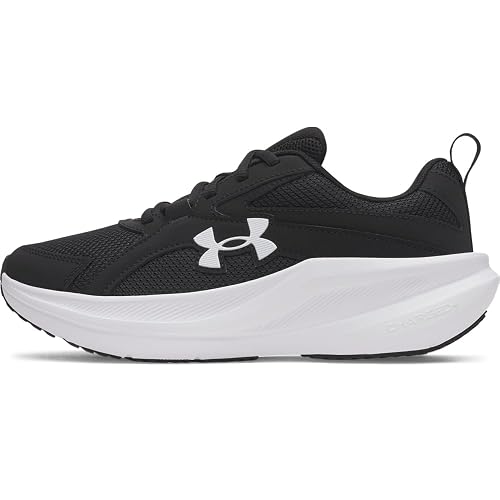 TOP CHOICEBest for stabilityUnder Armour Women's Charged Assert 11 Running ShoesView on Amazon
- 4
 Best for speed workNike Women's Revolution 8 Road Running ShoesView on Amazon
- 5
 Best for easy on and offWomens Slip On Running Sneakers Walking Tennis ShoesView on Amazon
- 6
 Best for cushioned daily milesBrooks Women's Anthem 8 Running ShoeView on Amazon
Our Top Picks
| Product | Best for | Key feature |
|---|---|---|
| Brooks Women’s Adrenaline GTS 25 Running Shoe | Overall support | Guided stability system |
| New Balance Women’s Fresh Foam 520 V9 Running Shoes | Wide feet | Available in wider widths |
| Under Armour Women’s Charged Assert 11 Running Shoes | Stability on a budget | Responsive midsole foam |
| Nike Women’s Revolution 8 Road Running Shoes | Speed work | Lightweight engineered mesh |
| Womens Slip On Running Sneakers Walking Tennis Shoes | Easy on and off | Elastic slip-on collar |
| Brooks Women’s Anthem 8 Running Shoe | Cushioned daily miles | Soft, plush midsole |
Brooks Women’s Adrenaline GTS 25 Running Shoe
Brooks Women's Adrenaline GTS 25 Running Shoe
Best for: Overall support
This shoe suits runners who overpronate or want gentle guidance through the stride without a rigid feel. Owners often report a secure heel and a comfortable ride over long runs.
Pros
- Stability system that guides the foot without feeling stiff
- Comfortable for long distances
Cons
- Heavier than neutral lightweight trainers
New Balance Women’s Fresh Foam 520 V9 Running Shoes
New Balance Women's Fresh Foam 520 V9 Running Shoes
Best for: Wide feet
Runners with wider forefoot or heel needs often look for this model. Manufacturers specify several width options, which helps with a snug, supported fit.
Pros
- Multiple width options for a better fit
- Soft Fresh Foam cushioning for everyday runs
Cons
- Less responsive than racing-focused shoes
Under Armour Women’s Charged Assert 11 Running Shoes
Under Armour Women's Charged Assert 11 Running Shoes
Best for: Stability on a budget
This pick suits beginners and mid-distance runners who want light support without a premium price focus. It is a practical option for steady training weeks.
Pros
- Light, supportive feel for regular training
- Solid heel grip for a secure stride
Cons
- Upper may feel warm in hot weather
Nike Women’s Revolution 8 Road Running Shoes
Nike Women's Revolution 8 Road Running Shoes
Best for: Speed work
Runners doing tempo sessions or intervals often prefer a lighter shoe with a firmer feel. This model fits that role for shorter, faster outings.
Pros
- Lightweight build for quicker turnover
- Breathable upper for warm workouts
Cons
- Less cushioning for high-mileage weeks
Womens Slip On Running Sneakers Walking Tennis Shoes
Womens Slip On Running Sneakers Walking Tennis Shoes
Best for: Easy on and off
This style is useful for walking, recovery days and anyone who wants a quick shoe to pull on. It is less of a technical running shoe than the others on this list.
Pros
- No laces to tie before a quick walk or jog
- Flexible, comfortable fit for light activity
Cons
- Limited support for long or fast running
Brooks Women’s Anthem 8 Running Shoe
Brooks Women’s Anthem 8 Running Shoe
Best for: Cushioned daily miles
Runners who log most of their miles at an easy pace often look for plush cushioning. This model is built around a soft ride for repeated daily use.
Pros
- Soft midsole that reduces impact feel on pavement
- Comfortable for recovery and easy runs
Cons
- Less stable for runners who need firm guidance
Buying Guide
Fit and Width
Your toes should have about a thumb’s width of room at the front, and the heel should not slip when you walk. If your feet are wider, check for models offered in multiple widths before you buy.
Cushioning Level
Plush midsoles suit easy miles and heavier runners, while firmer foam feels more responsive at faster paces. Think about how many miles you cover each week and how your legs feel on hard surfaces.
Related reading
- Nike Shoes Running Woman: How to Choose the Right Pair (2026)
- Zegama 2 Trail Running Shoes: Fit, Traction, and Who They Suit (2026)
- Xero Trail Running Shoes: Fit, Traction, and How to Choose a Pair
About Caleb Morgan
Caleb Morgan is part of our editorial team and reviews and edits our running gear & races guides, checking product details against manufacturer specifications and owner feedback.


