 By Caleb Morgan
Updated November 2026
Choosing among salomon men’s trail running shoes comes down to where you run, how wet the ground gets, and how your foot is shaped. This list narrows the field to five models from the Salomon lineup plus one closely related option, so you can match a shoe to your terrain. Our selection criteria were outsole grip, waterproofing, midfoot and heel fit, weight range, and the consistency of owner feedback about durability and comfort on technical ground. We did not test these shoes ourselves; the picks reflect manufacturer specifications, brand reputation, and patterns in what owners commonly report.
Our top picks at a glance
- 1
 TOP CHOICEBest overallSalomon Men’s Speedcross Trail Running ShoesView on Amazon
- 2
 TOP CHOICEBest for wet and muddy routesSalomon Men's Alphaglide Gore-Tex Waterproof Trail Running ShoesView on Amazon
- 3
 TOP CHOICEBest for rocky, technical terrainSalomon Men's XA Pro 3D Ultra GTX Trail Running ShoeView on Amazon
- 4
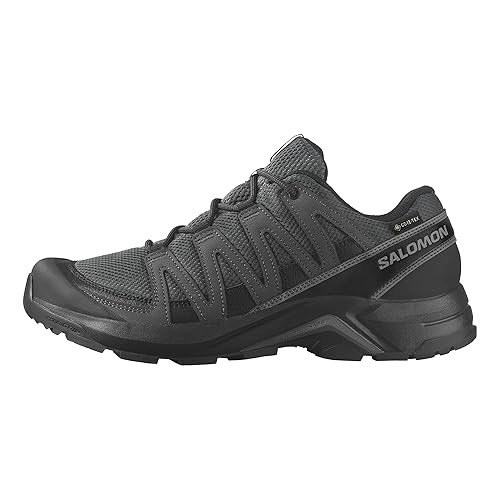 Best for hiking-heavy trail daysSalomon Men's X-Adventure Recon Gore-TEX Waterproof Hiking ShoesView on Amazon
- 5
 Best budget pickSaucony Men's Excursion Tr14 Trail Running ShoesView on Amazon
Our Top Picks
The table below gives a quick side-by-side view. Read the individual sections for fit notes, specs, and trade-offs before deciding.
| Product | Best for | Key feature |
|---|---|---|
| Salomon Men’s Speedcross Trail Running Shoes | Most trail runners on mixed terrain | Aggressive lugged outsole for grip |
| Salomon Men’s Alphaglide Gore-Tex Waterproof Trail Running Shoes | Wet, muddy, or cold conditions | Gore-Tex waterproof membrane |
| Salomon Men’s XA Pro 3D Ultra GTX Trail Running Shoe | Rocky and technical trails | Stable, supportive chassis with Gore-Tex |
| Salomon Men’s X-Adventure Recon Gore-TEX Waterproof Hiking Shoes | Hiking-heavy days with some running | Protective upper and waterproof build |
| Saucony Men’s Excursion Tr14 Trail Running Shoes | Runners who want a lower-cost trail option | Lightweight, cushioned trail build |
Salomon Men’s Speedcross Trail Running Shoes
Salomon Men’s Speedcross Trail Running Shoes
Best for: Most trail runners who want one versatile shoe for mixed surfaces
This is the model most runners associate with the Salomon trail line. It suits people who run on dirt, gravel, mud, and occasional rock and want a secure, locked-in feel without a heavy shoe.
Key specs
- Deep, multidirectional lugs designed for loose and soft ground
- Quicklace-style lacing system for fast, even tension
- Sock-like upper that tends to hold the heel and midfoot firmly
Pros
- Strong grip on mud and loose gravel
- Secure midfoot lockdown for descents
- Widely available in both standard and waterproof versions
Cons
- The narrow-leaning fit can feel tight for runners with wide forefeet
- Lugs can feel aggressive on long stretches of hard-packed pavement
Bottom line: A strong first choice for runners who want one shoe that handles most trails. Consider a wider-fitting model if your forefoot is broad.
Salomon Men’s Alphaglide Gore-Tex Waterproof Trail Running Shoes
Salomon Men's Alphaglide Gore-Tex Waterproof Trail Running Shoes
Best for: Wet, muddy, or cold conditions
If your trails stay soggy for much of the year, or you run through puddles, stream crossings, and wet grass, a waterproof membrane keeps your feet drier longer. This shoe is aimed at runners in rainy or snowy climates.
Key specs
- Gore-Tex waterproof membrane, as named in the listing
- Trail-oriented outsole for wet and loose ground
Pros
- Keeps water out during rain and shallow crossings
- Helpful for cold-weather running where dry feet matter
- Useful for runners who want waterproofing without moving to a hiking boot
Cons
- Waterproof membranes can trap heat during warm runs
- Water can still enter over the top if you run through deep water
Bottom line: The right pick for runners in wet climates. In hot, dry regions, a non-waterproof trail shoe will usually feel better.
Salomon Men’s XA Pro 3D Ultra GTX Trail Running Shoe
Salomon Men's XA Pro 3D Ultra GTX Trail Running Shoe
Best for: Rocky and technical trails
The XA Pro line has long been associated with stability on uneven, technical ground. It suits runners who pick their way over roots and rock and want more underfoot protection than a minimal shoe provides.
Key specs
- Gore-Tex waterproof construction, as named in the listing
- Stable platform intended for rocky and uneven ground
Pros
- Stable feel on uneven and rocky surfaces
- Waterproof build suits variable conditions
- Good protection from sharp terrain underfoot
Cons
- Heavier than lightweight racing shoes
- Less responsive on smooth, fast trails
Bottom line: Best for runners who prioritize stability and protection over speed. Less suited to racers chasing a light, quick ride.
Salomon Men’s X-Adventure Recon Gore-TEX Waterproof Hiking Shoes
Salomon Men's X-Adventure Recon Gore-TEX Waterproof Hiking Shoes
Best for: Hiking-heavy trail days with some running
This is a hiking-oriented shoe in the Salomon catalog. It fits runners who spend much of their time on long, mixed-terrain outings where walking and short running segments alternate.
Key specs
- Gore-Tex waterproof construction, as named in the listing
- Hiking-focused build with a protective upper
Pros
- Protective, durable upper for rough trails
- Waterproof for wet hikes and outings
- Comfortable for long days on the trail
Cons
- Heavier and less nimble than dedicated running shoes
- Not the best choice for fast, sustained running
Bottom line: A solid pick if your trail time is mostly hiking with some running. Choose a dedicated running shoe if pace is your priority.
Saucony Men’s Excursion Tr14 Trail Running Shoes
Saucony Men's Excursion Tr14 Trail Running Shoes
Best for: Budget-minded runners who want a trail shoe for everyday use
This Saucony model is a good option for runners who want a trail shoe without a premium price tag. It fits moderate trails, gravel paths, and mixed routes where extreme grip is not essential.
Key specs
- Trail-oriented outsole for moderate off-road surfaces
- Cushioned midsole for everyday comfort
Pros
- Comfortable for longer easy runs
- Good value for runners new to trail running
- Suitable for a wide range of moderate trails
Cons
- Less aggressive grip than dedicated mud-focused shoes
- Not waterproof, so wet trails will soak the upper
Bottom line: A sensible choice for runners who want a comfortable trail shoe for mostly dry, moderate terrain. Look elsewhere if you regularly run in mud or wet conditions.
Buying Guide
Outsole Grip and Lug Pattern
Lug depth and spacing determine how the shoe bites into soft ground. Deep, widely spaced lugs shed mud better and grip loose gravel, while shallower patterns feel smoother on pavement transitions. Match the outsole to your most common surface, not your rarest one.
Good picks for this: Salomon Men’s Speedcross Trail Running Shoes, Saucony Men’s Excursion Tr14 Trail Running Shoes
Waterproofing Versus Breathability
Waterproof membranes keep rain and puddles out but reduce airflow. In warm weather, a breathable mesh upper often feels better, even if your feet get wet. In cold, wet climates, a waterproof shoe helps keep your feet warm and blister-free.
Good picks for this: Salomon Men’s Alphaglide Gore-Tex Waterproof Trail Running Shoes, Salomon Men’s XA Pro 3D Ultra GTX Trail Running Shoe
Fit in the Midfoot and Heel
Salomon shoes often have a snug, sock-like fit through the midfoot. Runners with narrow heels and secure midfoots tend to do well, while those with wide forefeet may need to size up or choose a model with more room. Try shoes on in the afternoon, when feet are slightly swollen, and wear the socks you plan to run in.
Good picks for this: Salomon Men’s Speedcross Trail Running Shoes, Saucony Men’s Excursion Tr14 Trail Running Shoes
Stability on Uneven Terrain
Rocky and root-filled trails demand a platform that resists rolling your ankle. Look for a firm heel counter, a stable midsole, and a lower-to-ground feel. Highly cushioned or unstable shoes can make technical sections harder to navigate.
Good picks for this: Salomon Men’s XA Pro 3D Ultra GTX Trail Running Shoe, Salomon Men’s X-Adventure Recon Gore-TEX Waterproof Hiking Shoes
Weight and Intended Distance
Heavier shoes offer more protection and durability, which suits long, rugged outings. Lighter shoes feel quicker and suit faster efforts. Consider the distances you run most often and whether speed or protection matters more on those runs.
Good picks for this: Saucony Men’s Excursion Tr14 Trail Running Shoes, Salomon Men’s X-Adventure Recon Gore-TEX Waterproof Hiking Shoes
Durability and Upper Protection
Uppers built with reinforced overlays resist scuffs from rock and brush. Check whether the toe box has a protective rand and whether the upper material feels robust when you press it. Durability matters most if you run rocky routes several times a week.
Good picks for this: Salomon Men’s X-Adventure Recon Gore-TEX Waterproof Hiking Shoes, Salomon Men’s Speedcross Trail Running Shoes
Care and Replacement
Rinse mud off after runs, let shoes air-dry away from direct heat, and remove insoles to speed drying. Many runners replace trail shoes after roughly 300 to 500 miles, though outsole wear, midsole compression, and how the shoe feels underfoot are better guides than any fixed number.
Good picks for this: Saucony Men’s Excursion Tr14 Trail Running Shoes, Salomon Men’s Alphaglide Gore-Tex Waterproof Trail Running Shoes
FAQ
Are Salomon trail running shoes good for beginners?
They can be. Models like the Speedcross offer secure fit and reliable grip, which helps newer trail runners feel confident. Beginners should still prioritize a comfortable fit and a shoe that suits their most common terrain.
Should I buy a waterproof or non-waterproof trail shoe?
Choose waterproof if you run regularly in rain, snow, or wet ground. Choose non-waterproof if you run mostly in warm, dry conditions, since breathable uppers tend to feel cooler and dry faster after stream crossings.
Do Salomon shoes run narrow?
Many owners describe Salomon fits as snug through the midfoot and heel. Runners with wide forefeet often find they need to size up or try a wide version if the brand offers one in their chosen model.
How long do trail running shoes last?
Mileage varies widely with terrain, body weight, and running style. Many runners replace trail shoes between roughly 300 and 500 miles, but worn lugs, compressed cushioning, and new aches are better signs that it is time for a new pair.
Are hiking shoes a good substitute for trail running shoes?
For hiking-heavy days, they can work well. For sustained running, dedicated trail running shoes are usually lighter and more flexible, which supports a natural stride and quicker turnover.
Should I size up for trail running shoes?
Many runners go up a half size from their road shoe to allow for foot swelling on long runs and downhill toe pressure. Test the fit with the socks you plan to run in, and make sure your toes have room without the heel slipping.
Conclusion
For most runners, the Salomon Men’s Speedcross Trail Running Shoes is the most versatile starting point across mixed trails. If wet, muddy, or cold conditions define your runs, the Alphaglide Gore-Tex model is the better fit. Runners on rocky, technical ground should consider the XA Pro 3D Ultra GTX for its stability, while hikers who occasionally run will appreciate the X-Adventure Recon. For a lower-cost trail option for moderate terrain, the Saucony Excursion Tr14 is a practical choice. Check fit, terrain, and your typical distances before you buy, and consult a footwear specialist if you have foot pain or a history of injury.
Sources
- Research on running injuries, footwear, and biomechanics (nih.gov)
- General guidance on outdoor activity safety and heat illness prevention (cdc.gov)
- Position statements and guidance on exercise and footwear selection (acsm.org)
Related reading
- On Men's Cloudvista 2 Trail Running Shoes Review: Is It Worth It?
- 6 Best Men's Hoka Trail Running Shoes: Top Picks Compared (2026)
- 5 Best Salomon Trail Running Shoes Women's Picks Compared (2026)
About Caleb Morgan
Caleb Morgan is part of our editorial team and reviews and edits our running gear & races guides, checking product details against manufacturer specifications and owner feedback.