By Caleb Morgan
Updated November 2026
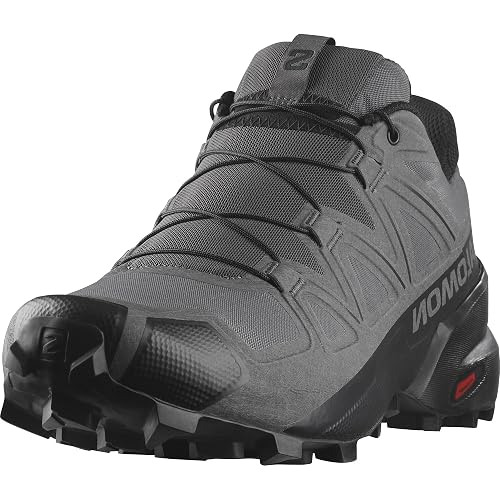
SCHEELS trail running shoes come in a wide range of models, and the right pair depends more on your terrain, foot shape and running style than on the brand name. This guide walks you through how to narrow the choices, test fit in store, and pick a pair you can trust on rocky, muddy or steep ground. Check the official SCHEELS site or call ahead to confirm current inventory and in-store availability.
Start With the Terrain You Run Most
Trail shoes are not all built for the same ground. A pair that works well on packed dirt can feel unstable on loose scree, and a shoe with aggressive lugs may feel clumsy on smooth fire roads. Before you look at any model, decide which surface you spend most of your miles on.
Shopping for one? See our guide: 7 Best Running Shoes for Trail Running: Our Picks Compared.
- Groomed or packed trails: Shallow lugs, a lighter midsole and a flexible forefoot work well.
- Mixed, rocky or technical trails: Deeper lugs, a firmer upper and some underfoot protection help you stay stable.
- Wet, muddy or snowy ground: Look for deep, widely spaced lugs that shed mud, and a water-resistant upper if you run in cold weather.
Check Fit and Foot Shape in Store
Fit matters more on trails than on roads, because a loose heel or cramped toe box causes blisters and lets your foot slide on descents. Try shoes on in the afternoon, when feet are slightly larger, and wear the socks you actually run in.
- Stand in the shoe and press your thumb into the toe. You want roughly a thumb’s width of space in front of your longest toe.
- Check the heel. It should hold without slipping when you walk up a slight incline or stand on your toes.
- Check the width. If the forefoot feels pinched at the sides, look at wide or extra-wide versions of the same model.
- Walk or jog on the store floor, ideally on any ramp or slope available, and note any rubbing or pressure points.
Consider Drop and Cushioning
Heel-to-toe drop, the height difference between heel and forefoot, changes how your calves and Achilles tendon load. If you are moving from a higher-drop road shoe, a sudden switch to a very low-drop trail shoe can strain those tissues, so transition gradually. Cushioning is a matter of preference: thicker stacks absorb more impact on long descents, while thinner midsoles feel more connected to the ground on technical sections.
Evaluate Traction and Protection
Traction comes from the outsole rubber and lug pattern. Press the outsole with your thumb and look for lugs that are firm and well spaced, not so shallow they skid on wet rock. Protection is the second consideration. A rock plate, a firmer layer between the midsole and outsole, shields your foot from sharp stones. It is worth choosing one if you run rocky routes often. For a deeper explanation, see What Is a Rock Plate in Trail Running Shoes? A Clear Guide (2026).
Choose the Right Model for Your Running Style
Match the shoe to how you run, not how you wish you ran. Recreational runners who cover moderate distances often do well with a stable, comfortable model. Racers and fast hikers may prefer something lighter and more responsive. If you overpronate, check how a model handles foot motion before you buy. The guide to Trail Running Shoes for Overpronators: 6 Best Picks for Every Trail (2026) covers what to look for. Neutral runners can also compare options in Trail Running Shoes Neutral: How to Choose the Right Pair (2026).
Common Mistakes to Avoid
- Buying a half size too small to save space. Trail feet swell on long runs, and descents push toes forward.
- Ignoring width. A shoe that fits length but pinches the forefoot will cause problems on the first long run.
- Choosing aggressive lugs for road-heavy routes, which can feel harsh and slow.
- Skipping a test run on a sloped surface before committing.
- Assuming a model that suited a previous pair will fit the same way, since updated versions often change the last.
Recommended Gear
Trail shoes perform best with a few supporting items. A pair of trail-specific socks with padding in the heel and forefoot reduces friction, and a set of gaiters keeps grit out of your shoes on dusty or muddy routes. A small pack of trail-specific lacing or heel-lock accessories can also help secure the fit on descents. A related read: Cloud Tech Running Shoes: How to Judge Fit, Cushioning and Traction (2026).
- Trail running socks with targeted cushioning help prevent hot spots on long runs. View on Amazon
- Trail gaiters keep debris out of the shoe on rocky and muddy routes. View on Amazon
- Heel lock lacing kits help hold the heel in place on steep descents. View on Amazon
FAQ
Are SCHEELS trail running shoes good for beginners?
Many beginners do well with a stable, cushioned trail model that fits comfortably in the store. Focus on fit and terrain first, and pick a pair that suits the trails you actually run.
How long should I break in trail running shoes?
Most runners ease in new shoes over two to three short runs before tackling a long route. Pay attention to hot spots and rubbing, and adjust lacing or socks if needed.
When should I replace trail running shoes?
Replacement timing depends on mileage, terrain and how the midsole feels. Worn lugs or a midsole that no longer rebounds are common signs it is time for a new pair. Consult a running specialist if you notice persistent pain.
Conclusion
Choosing SCHEELS trail running shoes comes down to matching the terrain, fit and protection to how you run. Test shoes in store on a slope if possible, and do not ignore width or drop. With those checks done, you will be better placed to pick a pair that performs on every trail you run.
Related reading
Ready to choose one?
About Caleb Morgan
Caleb Morgan is part of our editorial team and reviews and edits our running gear & races guides, checking product details against manufacturer specifications and owner feedback.