By Emily Parker
Updated November 2026
Choosing a trail running belt for poles comes down to three things: how well the belt stays put when you move, how easily you can carry your gear, and whether the pole attachment fits the way you actually run. This list compares seven options across those criteria. We looked at manufacturer specifications, brand reputation and the feedback owners commonly share about bounce, pole carry, pocket access and fit adjustment. Where a detail was not clearly stated for a model, we left it out rather than guess.
Our top picks at a glance
- 1
 TOP CHOICEBest overallUltimate Direction Race Belt 6.0 Running Belt, Onyx, One SizeView on Amazon
- 2
 TOP CHOICEBest for technical trailsSalomon Unisex Pulse Trail Running Storage Belt – Black – MView on Amazon
- 3
 TOP CHOICEBest for hydration on long runsOsprey Duro Dyna LT Belt for RunningView on Amazon
- 4
 Best for a snug race fitUltrAspire Fitted Race Running Waist BeltView on Amazon
- 5
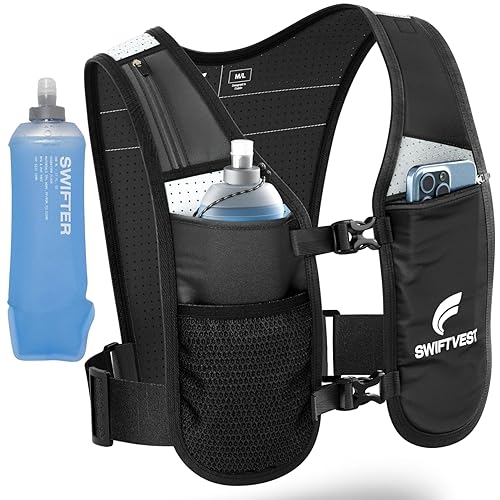
 Best budget pickAONIJIE Hydration Belt Running Fanny Pack with 250ml Soft Water Bottle FlaskView on Amazon
- 6
 Best dedicated pole carryTrail Running Pole Quiver, Lightweight Folding Trekking Pole Storage BagView on Amazon
- 7
 Best lightweight minimalist optionDeuter Traick Belt, Lightweight Reflective Running & Trail Belt – Black – SmallView on Amazon
Our Top Picks
Quick Comparison
| Product | Best for | Key feature |
|---|---|---|
| Ultimate Direction Race Belt 6.0 | Overall race-day use | No-bounce waist pack with a body bottle |
| Salomon Pulse Trail Running Storage Belt | Technical trails | Secure storage with a trail-focused fit |
| Osprey Duro Dyna LT Belt | Long runs with hydration | Lightweight belt designed for carrying water |
| UltrAspire Fitted Race Running Waist Belt | Snug race fit | Fitted design with essential pockets in five sizes |
| AONIJIE Hydration Belt Running Fanny Pack | Budget-conscious runners | Includes a 250 ml soft flask and phone holder |
| Trail Running Pole Quiver | Carrying poles | Folding pole storage with adjustable elastic cords |
| Deuter Traick Belt | Minimal, lightweight carry | Reflective lightweight belt for runners |
Ultimate Direction Race Belt 6.0 Running Belt, Onyx, One Size
Unisex No-Bounce Running Waist Pack with Phone Pocket, Secure Storage & 500mL Body Bottle Ultimate Direction Race Belt 6.0 Running Belt, Onyx, One Size
Best for: Overall race-day use with a secure, low-bounce fit
This belt suits runners who want a single system for gels, a phone and a soft bottle on a long trail race, and who value a stable fit over the lightest possible weight.
Key specs
- Waist pack style with a phone pocket
- Designed to carry a 500 mL body bottle
- One-size fit with adjustable closure
Pros
- Owners commonly describe it as stable at pace
- Pocket layout keeps frequently used items reachable
- Bottle carry works well for longer efforts
Cons
- Bulkier than minimalist belts
- One-size fit may not suit every waist shape
Bottom line: A strong first choice for runners who want stability and hydration in one belt for long trail days.
Salomon Unisex Pulse Trail Running Storage Belt – Black – M
Salomon Unisex Pulse Trail Running Storage Belt – Black – M
Best for: Technical trails where gear needs to stay secure over rough ground
Runners on rocky, uneven routes who want storage that doesn’t shift on descents will find this belt a practical fit. It is a good match for those who already own Salomon trail footwear and like a coordinated kit.
Key specs
- Trail running storage belt, size M
- Black colorway
Pros
- Designed with trail movement in mind
- Storage layout suited to carrying essentials
- Consistent brand design language with other Salomon trail gear
Cons
- Capacity is modest for very long, self-supported efforts
- Sizing should be checked against your waist measurement
Bottom line: Best for runners prioritizing secure storage on technical terrain over maximum capacity.
Osprey Duro Dyna LT Belt for Running
Osprey Duro Dyna LT Belt for Running
Best for: Long runs that need hydration and storage in a lightweight package
Runners who plan long, self-supported trail days and need to carry water comfortably will find this belt’s lightweight build appealing. Osprey is widely known for pack design, and this belt reflects that focus on load carrying.
Key specs
- Lightweight running belt designed for hydration carry
- Built by a brand known for pack engineering
Pros
- Owners often report a comfortable, low-profile feel
- Good balance of carry capacity and weight
- Suits longer efforts better than minimal belts
Cons
- Fit adjustments take a few runs to dial in
- May feel more substantial than racing-focused belts
Bottom line: A solid pick for runners who want hydration carry with a lightweight, pack-engineered feel.
UltrAspire Fitted Race Running Waist Belt
UltrAspire Fitted Race Running Waist Belt – Lightweight, Durable, Essential Pockets, 5 Sizes
Best for: A snug, race-style fit that stays still at speed
Competitive trail runners who want minimal movement and a close fit will find this belt a good match. Because it is available in five sizes, it is easier to dial in a precise waist fit than one-size options.
Key specs
- Fitted race-style waist belt
- Available in five sizes
- Essential pockets for race gear
Pros
- Size range helps achieve a snug fit
- Lightweight, race-oriented construction
- Pockets keep essentials organized
Cons
- Less capacity than larger hydration belts
- Requires careful sizing to avoid chafing
Bottom line: Ideal for runners who prioritize a precise, race-day fit over maximum storage.
AONIJIE Hydration Belt Running Fanny Pack with 250ml Soft Water Bottle Flask
AONIJIE Hydration Belt Running Fanny Pack, with 250ml Soft Water Bottle Flask Phone Holder for Trailing Running Climbing Jogging Cycling Workout Fitness 3 Colors (Black, M/L)
Best for: Budget-conscious runners who want hydration and a phone holder in one belt
New trail runners and those who only occasionally need to carry water will find this a practical, low-commitment option. It is also a reasonable choice for hiking and cycling in addition to running.
Key specs
- Includes a 250 mL soft water flask
- Phone holder included
- Available in three colors, size M/L
Pros
- Bundled flask and phone holder add value
- Versatile across running, hiking and cycling
- Simple, easy-to-use design
Cons
- The 250 mL flask is small for long efforts
- Build is less robust than premium race belts
Bottom line: A sensible budget pick for shorter trail runs and runners who want an all-in-one carry.
Trail Running Pole Quiver, Lightweight Folding Trekking Pole Storage Bag
Trail Running Pole Quiver, Lightweight Folding Trekking Pole Storage Bag with Adjustable Elastic Cords and Bottom Drainage Hole, Pole Holder for Running Vest and Hydration Pack
Best for: Carrying trekking poles alongside a running vest or belt
Runners who use poles on steep climbs and need a way to stow them when running flat sections will find a dedicated quiver useful. This is an accessory for pole carry rather than a standalone belt.
Key specs
- Folding pole storage bag
- Adjustable elastic cords
- Bottom drainage hole
Pros
- Designed to attach to vests and hydration packs
- Drainage hole helps with wet conditions
- Adjustable cords accommodate different pole sizes
Cons
- Does not hold hydration or small items on its own
- Can add bulk if the pole is not secured tightly
Bottom line: Pick this if you need a dedicated pole carry to pair with a vest or hydration pack.
Deuter Traick Belt, Lightweight Reflective Running & Trail Belt – Black – Small
Deuter Traick Belt, Lightweight Reflective Running & Trail Belt for Runners – Black – Small
Best for: Minimal, lightweight carry on shorter trail runs
Runners who prefer to carry very little and want reflective visibility on early-morning or low-light trails will find this belt a fit. Deuter is a long-established outdoor brand, which many buyers view as a reassuring signal of build quality.
Key specs
- Lightweight running and trail belt
- Reflective elements for low-light visibility
- Small size, black colorway
Pros
- Light weight minimizes bounce and distraction
- Reflective detailing helps with visibility
- Established outdoor brand reputation
Cons
- Limited capacity for hydration or long-run gear
- Small size may not fit larger waists
Bottom line: Best for runners who want a minimal, reflective belt for shorter sessions.
Buying Guide
Fit and Stability
A belt that shifts while you run will steal focus and can chafe. Check whether the belt is one-size or offers multiple sizes, and measure your natural waist before ordering. Adjustable closures help, but a belt that feels snug while standing can still move on descents, so test stability on a short run before committing to long distances.
Good picks for this: UltrAspire Fitted Race Running Waist Belt, Ultimate Direction Race Belt 6.0
Carrying Capacity
Think about what you actually need to carry: water, gels, a phone, a jacket, or poles. Capacity claims should be read against real loads. A belt that works for a 10K may not suit a six-hour self-supported run. Match the belt to your longest typical outing.
Good picks for this: Osprey Duro Dyna LT Belt for Running, Ultimate Direction Race Belt 6.0
Pole Attachment
If you run with trekking poles, look for a belt or accessory that holds poles securely without bouncing. A dedicated quiver keeps poles out of the way and lets you stow them quickly on flat sections. Confirm that the pole length and diameter fit the storage design before you buy.
Good picks for this: Trail Running Pole Quiver, Osprey Duro Dyna LT Belt for Running
Hydration Options
Some belts include soft flasks, while others rely on a separate bottle. Soft flasks tend to sit closer to the body and move less than hard bottles. Consider flask volume against your typical run length and the availability of water along your route.
Good picks for this: AONIJIE Hydration Belt Running Fanny Pack, Osprey Duro Dyna LT Belt for Running
Weight and Bounce
Lighter belts generally feel less intrusive, but they carry less. Heavier, more structured belts can feel more stable with a full load. Choose the lightest option that still covers your essentials, and remember that bounce often depends more on fit than on weight alone.
Good picks for this: Deuter Traick Belt, UltrAspire Fitted Race Running Waist Belt
Visibility and Safety
Early-morning and late-evening trail runs call for visibility. Reflective elements and bright colors help drivers and other trail users see you. Pair any belt with a headlamp for unlit routes.
Good picks for this: Deuter Traick Belt, Salomon Pulse Trail Running Storage Belt
Durability and Care
Trail conditions expose gear to mud, grit and sweat. Look for sturdy zippers, reinforced stitching and materials that rinse clean. Rinse the belt after muddy runs and air-dry it away from direct heat to preserve elastic and zipper function.
Good picks for this: Osprey Duro Dyna LT Belt for Running, Ultimate Direction Race Belt 6.0
FAQ
What is a trail running belt for poles used for?
It is a belt or accessory that lets you carry trekking poles while running, usually through a quiver or a pole-attachment system. Runners use it on climbs and technical sections, then stow the poles on flat ground.
Can I use a regular running belt to carry poles?
Some regular belts can carry a pole through a loop or attachment, but many are not designed for it. A dedicated pole quiver or a belt with pole-carry features is more secure and reduces bounce.
How should a running belt fit?
It should sit snugly at the waist without digging in, and stay still when you run and descend. Measure your natural waist and compare it with the manufacturer’s size chart before buying.
Do I need a hydration belt if I already carry a pack?
Not always. A hydration pack already carries water, so a belt may only be needed for quick access to gels or a phone. Many runners use a belt for short runs and a pack for long efforts.
How do I keep a trail running belt from bouncing?
Choose the right size, tighten the closure until it is snug but comfortable, and load heavier items close to your back. Test the fit on a short run before a long one.
How do I clean a running belt after a muddy run?
Rinse off mud and grit with water, wash gently with mild soap if needed, and air-dry the belt away from direct heat. Check zippers and stitching for debris afterward.
Conclusion
For most runners, the best trail running belt for poles depends on what you carry and how you run. The Ultimate Direction Race Belt 6.0 suits overall race-day use, while the Salomon Pulse suits technical trails. Runners who need hydration on long efforts should consider the Osprey Duro Dyna LT, and those wanting a snug race fit should look at the UltrAspire belt. The AONIJIE is a sensible budget choice, the Trail Running Pole Quiver handles pole carry, and the Deuter Traick suits minimal, reflective carry. Match your choice to your longest typical run and your pole use, and test the fit before committing to long distances.
Sources
- Product safety guidance and recall information relevant to outdoor gear (cpsc.gov)
- Trail etiquette, visibility and safety recommendations for park users (nps.gov)
- Running fitness and hydration guidance from a professional fitness association (acefitness.org)
Related reading
- Top 5 Instinct Trail Running Belts with Storage for Every Run
- 5 Best Nike ACG Running Belt Options for Trail Runners (2026)
- 4 Best Ultra Running Belt Buckles for Trail and Race Days
- Wirecutter Best Running Belt: 7 Top Picks Compared (2026)
- Whirlpool Duet Dryer Belt Squeaks While Running: 5 Causes and Fixes
- What Size Treadmill Belt for Running? Length, Width and How to Check
About Emily Parker
Emily Parker is part of our editorial team and reviews and edits our running gear & races guides, checking product details against manufacturer specifications and owner feedback.