
 By Emily Parker
Updated November 2026
An ultimate direction running belt is a good fit for runners who want to carry water, gels, a phone or a few layers without a vest. The right model depends on how much you carry, whether you need hydration, and how the belt sits on your waist during long efforts. The picks below are ranked by how well each one matches those criteria, based on manufacturer specifications, listing details and common owner feedback rather than hands-on testing.
Our top picks at a glance
- 1
 TOP CHOICEBest overallUltimate Direction Race Belt 6.0 Running BeltView on Amazon
- 2
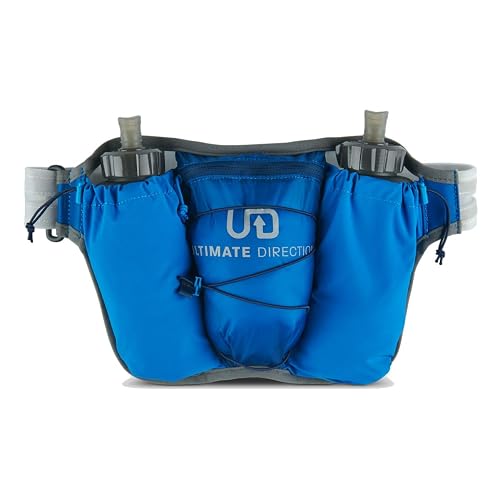 TOP CHOICEBest for hydration on long runsUltimate Direction Ultra 5.0 Hydration BeltView on Amazon
- 3
 TOP CHOICEBest for trail runningUltimate Direction Mountain Belt 6.0 Hydration Waist BeltView on Amazon
- 4
 Best for layered gearUltimate Direction Utility Belt Onyx Waist PackView on Amazon
- 5
 Best for minimal carryUltimate Direction Comfort Belt Onyx Waist PackView on Amazon
Our Top Picks
| Product | Best for | Key feature |
|---|---|---|
| Race Belt 6.0 Running Belt | Overall road and race use | No-bounce waist pack |
| Ultra 5.0 Hydration Belt | Hydration on long runs | Bottle-carrying capacity |
| Mountain Belt 6.0 | Trail running | Stable fit on uneven ground |
| Utility Belt Onyx Waist Pack | Layered gear | Multiple storage zones |
| Comfort Belt Onyx Waist Pack | Minimal carry | Lightweight, low profile |
Ultimate Direction Race Belt 6.0 Running Belt
Ultimate DirectionUnisex No-Bounce Running Waist Pack with Phone Pocket, Secure Storage & 500mL Body Bottle Race Belt 6.0 Running Belt, Onyx, One Size
Best for: Overall road and race use
This suits runners who want a single belt for training and race days, with a phone pocket and a small bottle option for shorter efforts. Owners often report that it stays put during faster running.
Pros
- Designed to limit bounce during faster running
- Phone pocket and bottle carry in one unit
Cons
- Bottle capacity suits short to mid-length runs better than ultra distances
Ultimate Direction Ultra 5.0 Hydration Belt
Ultimate DirectionWhy We Like The Ultra 5.0 Hydration Belt Ultra Belt
Best for: Hydration on long runs
This is aimed at runners who need to carry more fluid for runs well over an hour. Its structure is built around carrying water bottles on the hips rather than in the front pocket area.
Pros
- Built to carry more fluid for longer efforts
- Bottles sit on the hips for easy reach
Cons
- Fuller load can feel heavier than a minimal belt
Ultimate Direction Mountain Belt 6.0 Hydration Waist Belt
Ultimate Direction Unisex Mountain Belt 6.0 Hydration Waist Belt for Running and Trail Running, UD Blue
Best for: Trail running
This fits runners on rough terrain who want hydration and storage that stay steady on climbs and descents. The belt is made for the extra movement of trail running.
Pros
- Stays stable on uneven ground and climbs
- Hydration and storage in one design
Cons
- Less suited to road runners who carry very little
Ultimate Direction Utility Belt Onyx Waist Pack
Ultimate DirectionUtility Belt keeps hydration, layers, and essentials locked in with zero bounce Utility Belt Onyx Waist Pack
Best for: Layered gear
This suits runners in cooler weather who need to stow a jacket, gloves or extra layers alongside hydration and essentials. Multiple compartments help keep items separated.
Pros
- Room for layers plus hydration and essentials
- Compartments keep gear organized
Cons
- Larger footprint than a minimal belt
Ultimate Direction Comfort Belt Onyx Waist Pack
Ultimate Direction Comfort Belt Onyx Waist Pack
Best for: Minimal carry
This is for runners who only need a key, a gel or a phone on shorter outings. Its low profile is meant to disappear under a running shirt.
Pros
- Low profile and lightweight
- Simple to put on and adjust
Cons
- Limited room for hydration or extra layers
Buying Guide
Carrying capacity
Decide what you need to carry before comparing models. A phone and a few gels fit a minimal belt, while bottles and a layer need a larger design. Check the listing for stated pocket and bottle capacity.
Fit and bounce
A belt that moves around can chafe and distract. Look for adjustable straps and a design that the manufacturer describes as low bounce, and make sure the waist fit matches your size range.
Terrain and run length
Road runs and trail runs place different demands on a belt. Longer efforts usually need more fluid, while trail runs need a more stable fit on climbs.
Access while running
Think about how often you will reach for items mid-run. Pockets placed where you can reach them without stopping are more practical for races and intervals.
Good picks for this: Race Belt 6.0 Running Belt, Mountain Belt 6.0
FAQ
Is an ultimate direction running belt good for races?
Many runners use them on race days because the models are designed to limit bounce. Check the race rules on carrying items, since some events restrict certain gear.
Can I carry a phone in a running belt?
Most of these belts include a pocket sized for a phone, but fit depends on the model and your phone’s dimensions. Compare the pocket description in each listing against your device.
Related reading
- Whirlpool Duet Dryer Belt Squeaks While Running: 5 Causes and Fixes
- What Size Treadmill Belt for Running? Length, Width and How to Check
- What Is a Running Belt Used For? Uses, Types and Tips (2026)
- Types of Running Hydration Belt: 4 Styles and Who Each Suits
About Emily Parker
Emily Parker is part of our editorial team and reviews and edits our running gear & races guides, checking product details against manufacturer specifications and owner feedback.


