
 By Caleb Morgan
Updated November 2026
Wide width trail running shoes give wide feet and broad forefoots the room they need on rough, uneven ground. This list compares six models by fit, trail traction, and support, and it explains what to check on the label and in the fit before you buy. The picks are based on product listings, brand specifications, and patterns in owner feedback, not on our own testing.
Our top picks at a glance
- 1
 TOP CHOICEBest overallNew Balance Men's Fresh Foam 410v9 Trail Running ShoeView on Amazon
- 2
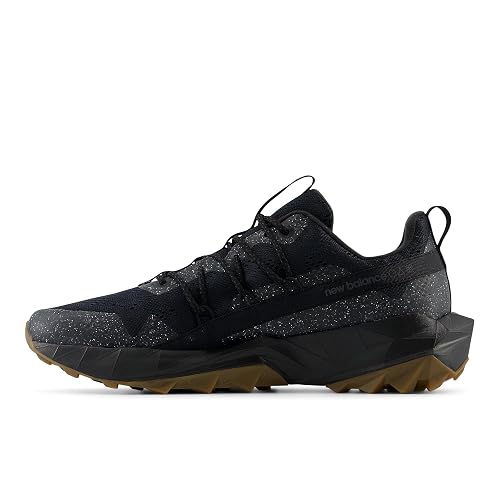 TOP CHOICEBest for rugged, rocky terrainNew Balance Men's Dynasoft Tektrel V1 Suede Trail Running ShoesView on Amazon
- 3
 TOP CHOICEBest for women seeking cushioningBrooks Women's Ghost Trail Running ShoeView on Amazon
- 4
 Best for long, technical runsASICS Men's Gel-Venture 11 Trail Running ShoesView on Amazon
- 5
 Best for everyday trail walksMerrell Men's Nova 4 SneakerView on Amazon
- 6
 Best for a secure, budget-minded fitNew Balance Men's 410 V8 Trail Running ShoeView on Amazon
Our Top Picks
Quick Comparison
| Product | Best for | Key feature |
|---|---|---|
| New Balance Men’s Fresh Foam 410v9 Trail Running Shoe | Overall trail use | Balanced cushioning and grip |
| New Balance Men’s Dynasoft Tektrel V1 Suede Trail Running Shoes | Rugged, rocky terrain | Protective upper and lugs |
| Brooks Women’s Ghost Trail Running Shoe | Women seeking cushioning | Soft, smooth ride |
| ASICS Men’s Gel-Venture 11 Trail Running Shoes | Long, technical runs | Stable, grippy outsole |
| Merrell Men’s Nova 4 Sneaker | Everyday trail walks | Comfortable, low-profile fit |
| New Balance Men’s 410 V8 Trail Running Shoe | Secure, budget-minded fit | Snug heel and midfoot hold |
New Balance Men’s Fresh Foam 410v9 Trail Running Shoe
New Balance Men's Fresh Foam 410v9 Trail Running Shoe
Best for: Overall trail use
This is a solid all-around choice for runners who want one pair for mixed trails. Owners often report a roomy toe area that suits broader forefeet.
Pros
- Cushioned midsole for longer efforts
- Lugged outsole that handles dirt and loose gravel
Cons
- Can feel firm for runners who want a plush ride
New Balance Men’s Dynasoft Tektrel V1 Suede Trail Running Shoes
New Balance Men's Dynasoft Tektrel V1 Suede Trail Running Shoes
Best for: Rugged, rocky terrain
Suited to runners who push through rock gardens and want more upper protection. Manufacturers position the suede-style upper for durability on abrasive ground.
Pros
- Protective upper for rocks and brush
- Aggressive tread for loose footing
Cons
- Heavier than lighter daily trainers
Brooks Women’s Ghost Trail Running Shoe
Brooks Women's Ghost Trail Running Shoe
Best for: Women seeking cushioning
A good fit for women who want a smooth, forgiving ride on packed trails and mixed surfaces. The brand’s cushioning focus appeals to runners logging higher weekly mileage. We also found 6 Best 4E Wide Trail Running Shoes for Wide Feet (2026) useful on this point.
Pros
- Soft cushioning for longer runs
- Smooth transitions over roots and rocks
Cons
- Less aggressive grip on muddy, steep descents
ASICS Men’s Gel-Venture 11 Trail Running Shoes
ASICS Men's Gel-Venture 11 Trail Running Shoes
Best for: Long, technical runs
Best for runners covering long distances on varied, technical trails who value stability. ASICS specifies a stable platform for uneven ground.
Pros
- Stable platform on uneven terrain
- Grippy outsole for wet conditions
Cons
- Ride can feel firm on hard-packed trails
Merrell Men’s Nova 4 Sneaker
Merrell Men's Nova 4 Sneaker
Best for: Everyday trail walks
Fits runners and hikers who mostly walk or jog easy trails and want a comfortable, low-profile shoe. Owners often mention an easy break-in period.
Pros
- Comfortable out of the box
- Versatile for walking and light running
Cons
- Not built for aggressive technical running
New Balance Men’s 410 V8 Trail Running Shoe
New Balance Men's 410 V8 Trail Running Shoe
Best for: Secure, budget-minded fit
A practical option for runners who need a snug heel and midfoot hold while keeping the feet wide up front. It suits people who want a dependable everyday trail shoe.
Pros
- Secure heel and midfoot hold
- Wide fit options within the model line
Cons
- Older model with fewer updated features
Buying Guide
Check the width letter and last shape
Wide width trail running shoes are usually labeled with a 2E or 4E width, or simply as “wide.” Compare the brand’s size chart rather than assuming your usual width carries over, because lasts vary between models and brands.
Some models with the same letter still fit differently in the forefoot and heel, so reading the fit notes in the listing can save a return.
Prioritize a roomy toe box
On uneven ground your toes spread and shift, so a toe box with real room in front and across the forefoot helps prevent pinching and black toenails on descents. Press your thumb in front of the longest toe while standing to check for clearance.
Keep in mind that a roomy toe box should still hold the heel securely, since loose heels cause blisters on long runs.
Look for trail-specific outsoles
Lugs with a deeper pattern grip loose dirt, mud, and gravel better than road-style treads. Check whether the outsole uses a rock plate or a durable rubber compound if you plan to run on rocky or technical routes.
Consider how often you will run on mixed surfaces. A moderate lug pattern suits packed dirt and light trails, while more aggressive lugs suit muddy or steep terrain.
Match the support and cushioning to your stride
Trail shoes range from firm and stable to soft and cushioned. Runners who overpronate or want more guidance often do best with a supportive midsole, while those who prefer a lighter feel may choose a more flexible option.
Think about your typical distance, too. Longer runs generally benefit from more cushioning to reduce fatigue in the legs and feet. 6 Best ASICS Wide Trail Running Shoes for Wide Feet (2026) goes further into this.
Test the fit at the end of the day
Feet swell during the day and during runs, so shopping or trying shoes on in the evening gives a more accurate sense of fit. Wear the socks you plan to run in and walk or jog a few steps on a slope or incline if possible.
Make sure there is roughly a thumb’s width of space in front of your longest toe and that the laces lock your foot in without pressure points on the top of the foot.
FAQ
What does 2E or 4E mean on a trail shoe?
These letters indicate width, with E being wide and each additional letter adding more room. A 2E shoe is wider than a standard D width, and a 4E is wider still. Always check the specific brand’s size chart because the measurement can vary slightly between manufacturers.
Should I size up when buying wide trail running shoes?
Many runners size up by half a size to allow room for downhill toe contact and foot swelling, but this depends on the model and your personal fit. Try to get the width right first, then adjust length based on how your toes feel when you stand and walk.
Are wide trail shoes good for rocky terrain?
Some wide models are built with durable outsoles and protective features that handle rocky ground well, but the best choice depends on the specific design. Look for rock plates, reinforced toe caps, and sturdy lugs if your routes are technical.
How long do trail running shoes usually last?
Lifespan depends on mileage, terrain, and your body weight, so there is no single answer. Many runners replace trail shoes once the tread looks worn or the cushioning feels flat, and paying attention to these signs helps prevent fatigue and injury.
Can I use wide trail shoes for hiking too?
Many trail running shoes work well for light hiking on well-maintained paths, but they are not always designed for heavy loads or long backpacking trips. If you plan to hike with a pack over rough terrain, check whether the model has the stability and protection you need.
Conclusion
If you want a balanced, all-around wide trail shoe for regular training and mixed trails, the top overall pick is a strong starting point. Runners who spend most of their time on rocky or technical ground should look at the rugged option that offers extra protection and grip.
For a wide-fit shoe with a different style or a more specific use, such as casual trail walking or running on varied surfaces, the remaining models each suit particular needs. Compare the width, toe box, outsole, and cushioning against your own routes and stride before you decide.
Related reading
- Waterproof Trail Running Shoes Wide: 5 Fit Factors and Picks (2026)
- Trail Running Shoes Women Wide: 6 Key Fit Factors for Wide Feet (2026)
- Trail Running Shoes Wide: A Practical Guide (2026)
- Trail Running Shoes Wide Fit: How to Choose the Right Pair (2026)
About Caleb Morgan
Caleb Morgan is part of our editorial team and reviews and edits our running gear & races guides, checking product details against manufacturer specifications and owner feedback.


