
 By Caleb Morgan
Updated November 2026
Overpronation means your foot rolls inward more than a neutral stride does, and that extra motion can load the arch, ankle, and knee in ways a cushioned neutral shoe may not control. Shoes for overpronation running usually add a firmer medial post, a guidance frame, or a structured heel. The picks below were selected from product listings, brand positioning, and common owner feedback about support, fit, and ride, with an emphasis on stability models in the Brooks and ASICS lines. A related read: 6 Best Cushion Shoes for Running: Picks for Every Stride (2026).
Our top picks at a glance
- 1
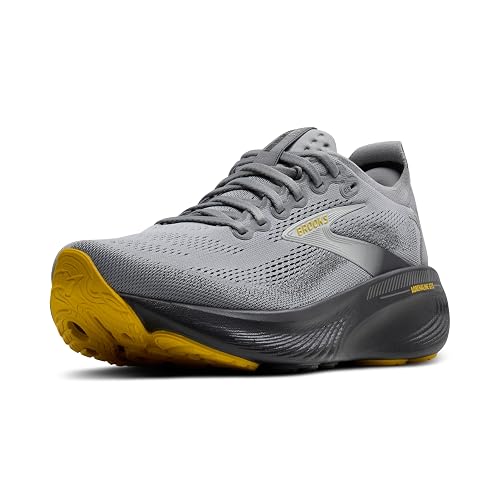 TOP CHOICEBest overallBrooks Men's Adrenaline GTS 25 Running ShoeView on Amazon
- 2
 TOP CHOICEBest for women's stabilityBrooks Women's Adrenaline GTS 25 Running ShoeView on Amazon
- 3
 TOP CHOICEBest for everyday trainingBrooks Men's Revel 8 Running ShoeView on Amazon
- 4
 Best for structured support on a budgetUnder Armour Men's Charged+ Assert 11 Running ShoesView on Amazon
- 5
 Best for women's long runsASICS Women's GT-1000 14 Running ShoesView on Amazon
- 6
 Best for men's daily mileageASICS Men's Gel-Excite 11 Running ShoesView on Amazon
Our Top Picks
Each pick below is matched to a specific need. Read the quick comparison first, then the details for any shoe that fits your stride and mileage.
| Product | Best for | Key feature |
|---|---|---|
| Brooks Men’s Adrenaline GTS 25 | Overall stability | Guidance support system |
| Brooks Women’s Adrenaline GTS 25 | Women’s stability | Women-specific fit |
| Brooks Men’s Revel 8 | Everyday training | Lightweight, responsive ride |
| Under Armour Men’s Charged+ Assert 11 | Structured support | Supportive heel counter |
| ASICS Women’s GT-1000 14 | Women’s long runs | Gel cushioning and support |
| ASICS Men’s Gel-Excite 11 | Men’s daily mileage | Balanced cushioning |
Brooks Men’s Adrenaline GTS 25 Running Shoe
Brooks Men's Adrenaline GTS 25 Running Shoe
Best for: Overall stability for overpronators
This is a go-to option for runners who want firm, predictable guidance through the stride. It suits men with moderate to significant inward roll who run regularly.
Pros
- Guidance support helps control inward motion
- Comfortable cushioning for longer efforts
Cons
- Heavier than lighter daily trainers
Brooks Women’s Adrenaline GTS 25 Running Shoe
Brooks Women's Adrenaline GTS 25 Running Shoe
Best for: Women’s stability running
The women’s version of the Adrenaline GTS line is built on a women-specific last. It suits women who overpronate and want a supportive, stable ride for regular mileage.
Pros
- Women-specific fit through heel and midfoot
- Consistent stability across training runs
Cons
- Firmer feel may take a few runs to adjust to
Brooks Men’s Revel 8 Running Shoe
Brooks Men’s Revel 8 Running Shoe
Best for: Everyday training with light support
The Revel line leans toward a lighter, more flexible ride. It suits men with mild overpronation who want support without a heavy, structured feel.
Pros
- Lightweight and easy to run in daily
- Responsive feel for tempo sessions
Cons
- Less control than a full stability shoe for severe overpronation
Under Armour Men’s Charged+ Assert 11 Running Shoes
Under Armour Men's Charged+ Assert 11 Running Shoes
Best for: Structured support on a budget-minded shelf
This shoe is designed for runners who want a supportive heel and a secure fit at a budget-friendly tier. It suits men who are building mileage and want steady guidance.
Pros
- Supportive heel counter for stability
- Secure, adjustable lace fit
Cons
- Cushioning is firmer than premium stability models
ASICS Women’s GT-1000 14 Running Shoes
ASICS Women's GT-1000 14 Running Shoes
Best for: Women’s long runs with stability
The GT-1000 line is known for steady support and gel cushioning. It suits women who log longer distances and need a balanced, supportive ride.
Pros
- Gel cushioning absorbs impact on long runs
- Supportive structure for mild to moderate overpronation
Cons
- Can feel bulky for faster sessions
ASICS Men’s Gel-Excite 11 Running Shoes
ASICS Men's Gel-Excite 11 Running Shoes
Best for: Men’s daily mileage with balanced support
The Gel-Excite line offers a balanced blend of cushioning and support. It suits men who run most days and want a shoe that is comfortable without feeling overbuilt.
Pros
- Balanced cushioning for daily runs
- Good fit for everyday training volume
Cons
- Support may be less firm than dedicated stability shoes
Buying Guide
Level of Support
Overpronation ranges from mild to severe, and the right amount of support depends on how much your foot rolls inward. Stability shoes with a moderate medial post suit most runners, while those with a heavier inward roll may need a more structured option. If you are unsure, a running specialist can watch your gait and recommend a support level.
Cushioning and Ride Feel
Support and cushioning have to work together. A shoe that is too firm can feel harsh on long runs, while a very soft midsole may let the foot roll further than intended. Look for a balance that feels comfortable for your typical mileage and pace.
Fit and Heel Lockdown
A secure heel and a midfoot that does not slide help the shoe guide your stride. Try shoes on in the afternoon, when feet tend to swell slightly, and wear the socks you normally run in. Leave a little room at the toe so your foot does not hit the front during downhill runs.
Durability and Intended Use
Consider how many miles you plan to run each week and what surfaces you usually cover. Daily road training generally wears down outsoles faster than occasional runs, so pick a shoe built for your mileage. Replacing running shoes every few hundred miles helps keep the support you originally paid for.
FAQ
Do I always need a stability shoe for overpronation?
Not always. Mild overpronation may be handled well by a neutral shoe with good structure, while moderate to severe cases usually benefit from stability or motion control models. Comfort and any pain you feel during or after runs are good signals to pay attention to.
How do I know if I overpronate?
A common check is to look at the wear pattern on your current running shoes, where heavy wear along the inner edge of the sole often points to inward rolling. A gait analysis at a running store can provide a more precise answer. Wet footprint tests can also give a rough idea of arch shape.
Can stability shoes help with knee or shin pain?
Support can help some runners manage discomfort linked to overpronation, but shoes alone do not cure injuries. If pain persists, it is wise to see a physical therapist, sports medicine doctor, or podiatrist. They can assess the cause and suggest strengthening or training changes.
How long should running shoes last?
Many runners replace running shoes somewhere in the range of several hundred miles, though this varies with body weight, surface, and shoe construction. Signs of wear include a flattened midsole, a collapsed heel counter, or new aches after runs. Rotating two pairs can extend the life of each one.
Should I size up in stability shoes?
Sizing depends on the brand and model, so there is no single rule. Many runners choose a half size up from their casual shoe size to allow for foot swelling during runs. Always test the fit, especially the heel and toe room, before committing.
Conclusion
Runners with moderate to significant overpronation who want firm guidance and a secure fit will likely find the best match among the Brooks Adrenaline GTS models, with the Revel 8 suited to those wanting a lighter everyday option. Runners seeking a balance of support and a more energetic feel may prefer the ASICS GT-1000 or Gel-Excite lines, depending on gender-specific fit and budget.
If you are still deciding, consider your typical weekly mileage, the level of inward roll you notice, and how each shoe feels on a short test run. Choosing the model that matches your stride will do more for comfort and consistency than any single feature on a spec sheet.
Related reading
- Stability Running Shoes Overpronation: A Practical Guide (2026)
- 5 Best Trail Running Shoes for Overpronation (2026)
- Zegama 2 Trail Running Shoes: Fit, Traction, and Who They Suit (2026)
- Xero Trail Running Shoes: Fit, Traction, and How to Choose a Pair
About Caleb Morgan
Caleb Morgan is part of our editorial team and reviews and edits our running gear & races guides, checking product details against manufacturer specifications and owner feedback.


