
 By Caleb Morgan
Updated November 2026
Cushion shoes for running are built with extra midsole foam to absorb impact on each stride, which many runners prefer for daily miles, recovery days and long efforts on pavement. This list focuses on running shoes with cushion that suit a range of foot types and budgets, with a selection method based on product specifications, brand reputation and common owner feedback. Each pick below is a cushioned neutral or everyday trainer, not a stability or trail model.
Our top picks at a glance
- 1
 TOP CHOICEBest overallUnder Armour Men's Charged+ Assert 11 Running ShoesView on Amazon
- 2
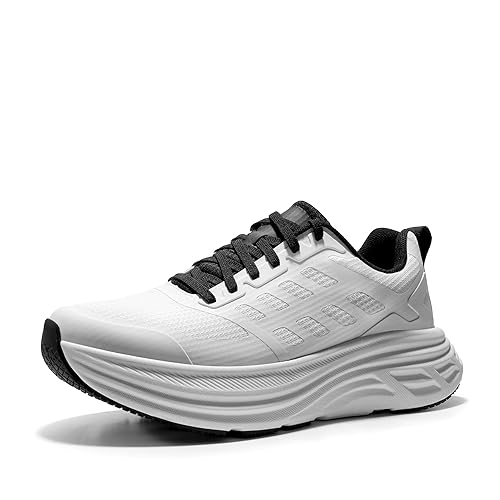 TOP CHOICEBest for wide-toe comfortNORTIV 8 Women's Walking Shoes Running Tennis SneakersView on Amazon
- 3
 TOP CHOICEBest for added arch supportDr. Scholl's Sport Insoles Arch Support InsertsView on Amazon
- 4
 Best for men's daily trainingNew Balance Men's Fresh Foam 520 v9 Running ShoeView on Amazon
- 5
 Best for women's high-mileage cushioningBrooks Women's Adrenaline GTS 25 Running ShoeView on Amazon
- 6
 Best for women's everyday runsNew Balance Women's Fresh Foam 520 V9 Running ShoesView on Amazon
Our Top Picks
Quick Comparison
| Product | Best for | Key feature |
|---|---|---|
| Under Armour Men’s Charged+ Assert 11 Running Shoes | Overall cushioned daily running | Charged foam midsole |
| NORTIV 8 Women’s Walking Shoes Running Tennis Sneakers | Wide-toe comfort | Roomy, lightweight upper |
| Dr. Scholl’s Sport Insoles Arch Support Inserts | Added arch support | Removable arch insert |
| New Balance Men’s Fresh Foam 520 v9 Running Shoe | Men’s daily training | Fresh Foam cushioning |
| Brooks Women’s Adrenaline GTS 25 Running Shoe | High-mileage cushioning | Support with soft ride |
| New Balance Women’s Fresh Foam 520 V9 Running Shoes | Women’s everyday runs | Balanced soft cushioning |
Under Armour Men’s Charged+ Assert 11 Running Shoes
Under Armour Men's Charged+ Assert 11 Running Shoes
Best for: Overall cushioned daily running
This is a practical choice for men who want a soft, responsive trainer for easy miles and steady training weeks.
Pros
- Charged foam midsole provides a springy feel.
- Breathable upper suits warm-weather runs.
Cons
- Some owners find the fit runs slightly narrow.
NORTIV 8 Women’s Walking Shoes Running Tennis Sneakers
NORTIV 8 Women's Walking Shoes Running Tennis Sneakers
Best for: Wide-toe comfort
A good fit for women who want a roomy toe box and a light, cushioned feel for walking and easy running.
Pros
- Roomy forefoot reduces pressure on the toes.
- Lightweight build feels easy on the legs.
Cons
- Cushioning is softer than dedicated running models.
Dr. Scholl’s Sport Insoles Arch Support Inserts
Gel insoles for men, superior shock absorption, sport insoles for shoes, reduce stress on lower body joints, Men Size 8-14 Dr. Scholl’s Sport Insoles Arch Support Inserts for Men, Shoe Inserts
Best for: Added arch support
These inserts suit runners who want extra arch support and shock absorption in shoes they already own.
Pros
- Easy to swap into most athletic shoes.
- Adds arch support without changing the shoe.
Cons
- Fit depends on the shoe’s interior, so sizing may need trial.
New Balance Men’s Fresh Foam 520 v9 Running Shoe
New Balance Men's Fresh Foam 520 v9 Running Shoe
Best for: Men’s daily training
A versatile option for men building weekly mileage who want consistent cushioning and a secure, familiar fit.
Pros
- Fresh Foam midsole offers steady, comfortable impact absorption.
- Available in multiple widths for many foot shapes.
Cons
- Heavier than racing-focused trainers.
Brooks Women’s Adrenaline GTS 25 Running Shoe
Brooks Women's Adrenaline GTS 25 Running Shoe
Best for: High-mileage cushioning
Suited to women logging higher weekly miles who want cushioning with a degree of guidance through the stride. We also found Stability Running Shoes for Pronation: 7 Best Picks for Every Stride (2026) useful on this point.
Pros
- Plush cushioning supports longer runs.
- Supportive structure helps with mild overpronation.
Cons
- Firmer feel for runners who prefer a very soft ride.
New Balance Women’s Fresh Foam 520 V9 Running Shoes
New Balance Women's Fresh Foam 520 V9 Running Shoes
Best for: Women’s everyday runs
A balanced choice for women who run several days a week and want dependable cushioning without extra bulk.
Pros
- Soft, consistent Fresh Foam ride for everyday miles.
- Multiple width options help with fit.
Cons
- Not designed for fast-paced racing.
Buying Guide
Cushioning Level and Your Running Style
Cushion shoes for running come in different levels of softness, so start by thinking about how and where you run. Plush, highly cushioned trainers suit slower daily miles and runners who want extra comfort on hard pavement. A moderate level of cushioning often works better for runners who mix in tempo efforts or want a more responsive feel.
Consider your typical weekly mileage as well. Higher mileage usually calls for more protective foam, while occasional runners may be happy with a lighter, more everyday setup.
Fit, Width and Toe Box Space
Fit matters more than any single feature. Look for a snug heel, a secure midfoot and enough room in the toe box so your toes can spread out during a run. Feet tend to swell over the course of a day, so trying shoes on later in the day can help you find a comfortable size.
If you have wider feet, check whether a shoe offers a wide or wide-toe option. Many cushioned models are sold in multiple widths, which can make a noticeable difference in comfort over longer distances.
Support Needs and Arch Type
Neutral cushioned shoes are designed for runners whose feet roll inward only a small amount. If you have flat feet or significant overpronation, a stability model may serve you better than a standard cushioned trainer. Your arch shape also affects how a shoe feels, so pay attention to how the midsole supports your foot through the stride.
Insoles and inserts can add arch support to an existing shoe, though they are not a replacement for a properly built running shoe. If you feel persistent discomfort, a visit to a podiatrist or running specialist is a good idea.
Weight, Flexibility and Durability
Cushioned shoes often weigh more than lightweight racing flats, so consider how the weight feels during your runs. A heavier shoe with generous foam may feel more protective, while a lighter one may feel quicker. Flexibility at the forefoot helps your foot move naturally through toe-off.
Durability depends on the outsole rubber and the foam compound. Shoes with reinforced rubber in high-wear areas tend to last longer on pavement, so check the outsole design if you run mostly on hard surfaces.
Versatility for Walking and Everyday Wear
Some cushioned shoes work well for walking, standing and casual use as well as running. If you plan to wear your shoes all day, look for a comfortable, breathable upper and a flexible sole that feels good during non-running activity. Shoes built for dual use can save you from buying separate pairs.
FAQ
How do I know if I need cushion shoes for running?
Cushioned shoes are a good match if you run on hard surfaces, log higher weekly miles or simply prefer a softer ride. If your legs feel tired or sore after runs, extra cushioning may help you feel more comfortable. Trying a few pairs and running a short loop in each is the best way to decide.
How often should I replace my running shoes?
Many runners replace their shoes after roughly 300 to 500 miles, though this varies with body weight, running surface and the shoe itself. Signs of wear include visible creasing in the midsole, uneven outsole wear and a loss of cushioning. If your shoes feel flat or your body starts to ache, it may be time for a new pair.
Can I use insoles with cushioned running shoes?
Many runners add insoles for extra arch support or comfort, and this is generally fine as long as the shoe still fits well. Make sure the insole does not crowd the toe box or change the fit too much. If you are unsure, try the combination on a short run before committing to longer distances.
Are cushioned shoes good for walking as well as running?
Yes, many cushioned trainers are comfortable for walking, especially for people who spend long hours on their feet. Look for a flexible sole and a breathable upper for everyday wear. Just be sure the shoe fits well for the type of movement you do most often.
Should I choose a wide or standard width?
Choose based on how your foot feels in the shoe, not just the size on the label. If your toes feel squeezed or your foot slides around, a wide option may be more comfortable. Many brands offer several widths, so try both if you are unsure.
Conclusion
For most runners who want a comfortable, well-cushioned daily trainer, the men’s and women’s cushioned models from New Balance and Under Armour are solid starting points, with the Brooks option suited to those who want extra stability. Runners who need added arch help may do well pairing a cushioned shoe with supportive inserts.
Walkers and people on their feet all day can look at the dual-use options, while wide-footed runners should prioritize models with a roomy toe box. Try shoes on, consider your running habits and choose the pair that feels best for your stride.
Related reading
- Running Shoes Max Cushion: 6 Factors to Check Before You Buy (2026)
- 7 Best High Cushion Trail Running Shoes for Long Miles (2026)
- 7 Best High Cushion Running Shoes for Long Miles (2026)
- 6 Best Max Cushion Trail Running Shoes for Long Miles (2026)
- 6 Best Cushion Trail Running Shoes: Picks for Long Miles (2026)
- 5 Best Trail Running Shoes with Cushion for Long Runs (2026)
About Caleb Morgan
Caleb Morgan is part of our editorial team and reviews and edits our running gear & races guides, checking product details against manufacturer specifications and owner feedback.


