
 By Caleb Morgan
Updated November 2026
Women who need wide toe box trail running shoes women can actually run in have a narrower field than most buyers expect. Toe room, forefoot width, heel lockdown and drop all affect whether a shoe stays comfortable past the first few miles of rocky singletrack. This list compares six options by toe box shape, outsole traction, cushioning and how well each one suits a specific type of running, based on manufacturer specifications and patterns in owner feedback.
Our top picks at a glance
- 1
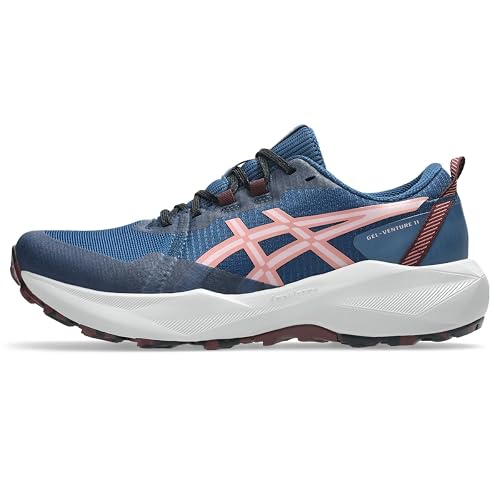 TOP CHOICEBest overallASICS Women's Gel-Venture 11 Trail Running ShoesView on Amazon
- 2
 TOP CHOICEBest for minimalist stridesNORTIV 8 Womens Wide Toe Box Trail Running Walking ShoeView on Amazon
- 3
 TOP CHOICEBest for casual trail walksBarefoot Shoes Women Casual Sneakers Wide Toe Box Zero DropView on Amazon
- 4
 Best for wet and muddy terrainHOBIBEAR Unisex Wide Toe Box Trail Running ShoesView on Amazon
- 5
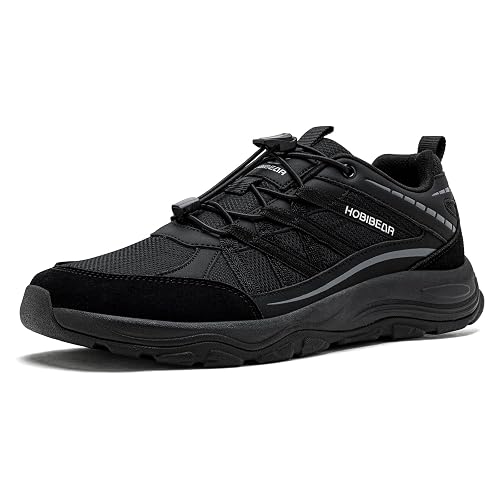 Best for budget-minded runnersHOBIBEAR Women Barefoot Shoes Trail Running SneakersView on Amazon
- 6
 Best for long technical daysALTRA Women's Lone Peak 9 Trail Running ShoeView on Amazon
Our Top Picks
Quick Comparison
| Product | Best for | Key feature |
|---|---|---|
| ASICS Women’s Gel-Venture 11 Trail Running Shoes | Overall trail running | Gel cushioning, trail lugs |
| NORTIV 8 Womens Wide Toe Box Trail Running Walking Shoe | Minimalist strides | Low stack, roomy forefoot |
| Barefoot Shoes Women Casual Sneakers Wide Toe Box | Casual trail walks | Zero drop, flexible sole |
| HOBIBEAR Unisex Wide Toe Box Trail Running Shoes | Wet and muddy terrain | Multi-directional lugs |
| HOBIBEAR Women Barefoot Shoes Trail Running Sneakers | Budget-minded runners | Machine washable upper |
| ALTRA Women’s Lone Peak 9 Trail Running Shoe | Long technical days | Foot-shaped, cushioned platform |
ASICS Women’s Gel-Venture 11 Trail Running Shoes
ASICS Women's Gel-Venture 11 Trail Running Shoes
Best for: Overall trail running with a conventional, supportive feel
This suits runners who want gel cushioning and a familiar fit on mixed trails. It is a well-known trail model from a major brand, so sizing information is easy to find.
Pros
- Gel cushioning absorbs impact on rocky paths
- Lugged outsole grips loose dirt and gravel
Cons
- Toe box is roomy but less generous than minimalist options
NORTIV 8 Womens Wide Toe Box Trail Running Walking Shoe
Barefoot Low Drop Hiking Cushion Comfortable Tennis Non-Slip Breathable Workout Gym Shoe Athletic Fashion Sneakers NORTIV 8 Womens Wide Toe Box Trail Running Walking Shoe
Best for: Minimalist strides with plenty of forefoot room
Runners who prefer a low stack height and want their toes to spread naturally will find this style appealing. It fits well for shorter trail sessions and walking.
Pros
- Wide forefoot lets toes spread during push-off
- Low profile keeps the foot close to the ground
Cons
- Limited cushioning can feel firm on long descents
Barefoot Shoes Women Casual Sneakers Wide Toe Box Zero Drop
Barefoot Shoes Men,Minimalist Trail Running Shoe,Non-Slip Lightweight Breathable Comfortable Fashion Walking Hiking Shoes Barefoot Shoes Women Casual Sneakers,Wide Toe Box Shoe Women Zero Drop Shoe
Best for: Casual trail walks and everyday wear on packed paths
This is a good fit for walkers and hikers who want a flat, flexible shoe that doubles as casual footwear. Zero drop means heel and forefoot sit level.
Pros
- Zero drop keeps heel and forefoot level
- Flexible sole moves naturally with the foot
Cons
- Not built for aggressive running on loose terrain
HOBIBEAR Unisex Wide Toe Box Trail Running Shoes
Roomy Toe Box,Breathable,Lugged Rubber Outsole,Multi-Directional Grip,Machine Washable,Lace-Up,Hiking,Trekking HOBIBEAR Unisex Wide Toe Box Trail Running Shoes, Outdoor Walking Sneakers
Best for: Wet and muddy terrain where grip matters most
Runners in damp climates or on trails with mud and wet roots may appreciate the multi-directional lug pattern. The lace-up closure helps lock the heel in place. You may also like 7 Best Wide Toe Box Trail Running Shoes for Wide Feet (2026).
Pros
- Multi-directional lugs grip in several directions
- Machine washable upper simplifies cleaning after muddy runs
Cons
- Sizing runs unisex, so women should check the size chart carefully
HOBIBEAR Women Barefoot Shoes Trail Running Sneakers
HOBIBEAR Women Barefoot Shoes丨Wide Toe Box丨Trail Running Sneakers
Best for: Budget-minded runners who want a wide, flexible shoe
This style is aimed at women who want a wide toe box without a premium price tag. It works best for short runs and daily trail outings rather than long races.
Pros
- Wide toe box suits broad forefeet
- Lightweight build feels easy on the feet during short runs
Cons
- Thin cushioning may not suit high-mileage training
Buying Guide
Toe Box Width and Forefoot Room
A true wide toe box gives your toes room to spread during push-off and on steep descents. Look for a shoe where your toes can move freely without pressing against the front of the upper, since cramped toes are the most common reason women abandon trail shoes early.
Try shoes on in the afternoon, when feet are slightly swollen, and wear the socks you plan to run in. Pressing your thumb into the toe area while standing can help you judge whether there is enough space.
Drop and Heel Lockdown
Drop is the height difference between the heel and forefoot. Zero-drop designs keep the foot flat and encourage a more natural stride, while moderate-drop shoes can feel more familiar if you are coming from a traditional running shoe. Make a switch gradually if you are new to low-drop footwear.
A secure heel and midfoot hold keep the foot from sliding inside the shoe on downhills. Lace-up systems and well-shaped heel counters usually provide the best control across varied terrain.
Outsole Traction and Terrain Match
Lugs deep enough to bite into mud and loose gravel matter more on trails than on pavement. Multi-directional lug patterns help with cornering and side-hill traverses, while shallower lugs can work well for mixed surfaces and dry, packed dirt.
Consider where you will actually run most often. Rugged mountain routes call for aggressive grip, while smoother forest paths or walking-focused use may be well served by a lighter, less aggressive outsole.
Cushioning and Protection
Cushioning level changes how the shoe feels over long distances and rough ground. Thicker midsoles absorb more impact from rocks and roots, while thinner midsoles give better ground feel and a lighter ride. Many women find that a moderate amount of cushioning offers a good balance for trail use.
Check for a rock plate or reinforced forefoot if you plan to run technical terrain, since these features help protect your feet from sharp objects underneath.
Breathability, Weight and Fit Through the Upper
Breathable mesh uppers help manage heat and moisture, which keeps feet comfortable during warm runs and reduces the chance of blisters. Lighter shoes are generally easier to run in for long stretches, though weight should be balanced against durability and protection.
Pay attention to the overall fit through the upper, including the tongue, collar and laces. A snug but not tight midfoot, combined with a roomy front, tends to feel best once you start moving.
FAQ
What does a wide toe box actually do for trail running?
A wide toe box lets your toes spread naturally, which improves balance and stability on uneven ground. It can also reduce pressure points and the risk of blisters or black toenails on long downhills. Many runners find that more toe room makes trail miles more comfortable overall.
Is a zero-drop shoe right for every woman trail runner?
Not necessarily. Zero-drop shoes suit many runners, but they place more load on the calves and Achilles, so a gradual transition is important. Women who are new to minimalist designs should start with shorter runs and build up over several weeks.
How do I know if my trail shoes are the right size?
Leave about a thumb’s width of space between your longest toe and the front of the shoe, and make sure your heel stays put when you walk or jog. Test the shoes on a slight incline if possible, since this shows whether your toes press forward. Because sizing varies by brand, it helps to check the manufacturer’s size chart before ordering.
Can I use these shoes for hiking and walking as well as running?
Many of these models are designed for mixed use, including hiking, walking and everyday wear. Shoes with good grip and a secure fit tend to handle multiple activities well. Heavier hikes with a heavy pack may call for a sturdier boot, so consider your typical load and terrain.
How long do wide toe box trail shoes usually last?
Lifespan depends on mileage, terrain, body weight and how often you rotate pairs. Many trail runners replace shoes after several hundred miles, or sooner if the midsole feels flat or the outsole lugs are noticeably worn. Watching for these signs helps you keep the same level of comfort and protection.
Should I size up for a wider fit?
Sizing up is sometimes recommended to accommodate swelling during long runs, but it can cause heel slippage if overdone. Choosing a model designed with a wide toe box is usually a better first step than simply going up a full size. A half-size adjustment may be enough for some runners.
Conclusion
Women who want the most traditional trail feel and a proven, supportive ride will find the best fit among the more conventional options on this list. Runners who prefer a barefoot-style, zero-drop experience with lots of toe room should look at the minimalist models, choosing between the men’s and women’s-focused designs based on fit.
For rugged, technical terrain and longer days on the trail, the more protective and cushioned choices make the most sense, while lighter, more flexible shoes suit shorter runs and mixed walking. Matching the shoe to your typical terrain and comfort preferences will serve you better than choosing by name alone.
Related reading
- 3 Best Trail Running Shoes with Wide Toe Box for Every Trail (2026)
- Trail Running Shoes Women Wide: 6 Key Fit Factors for Wide Feet (2026)
- 5 Best Women's Wide Trail Running Shoes for Every Trail (2026)
- 7 Best Running Shoes with Widest Toe Box for Wide Feet (2026)
About Caleb Morgan
Caleb Morgan is part of our editorial team and reviews and edits our running gear & races guides, checking product details against manufacturer specifications and owner feedback.


