
 By Caleb Morgan
Updated November 2026
Top ranked running shoes are easier to choose when you know what matters: cushioning level, stability, weight, fit and how many miles you plan to log each week. This list compares seven Brooks models, sorted by how well each one matches common training needs. Every pick is based on manufacturer specifications, product listings and patterns in owner feedback, not on personal testing.
Our top picks at a glance
- 1
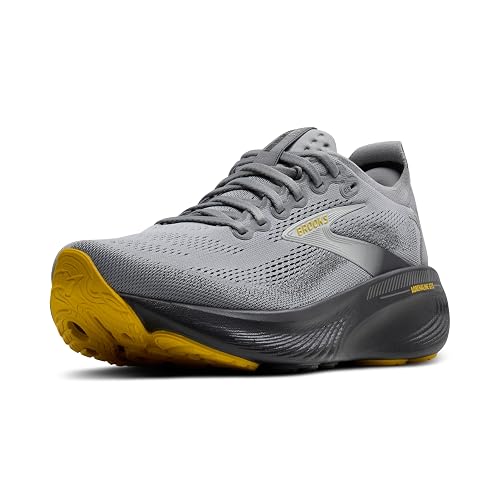 TOP CHOICEBest overallBrooks Men's Adrenaline GTS 25 Running ShoeView on Amazon
- 2
 TOP CHOICEBest for stabilityBrooks Men's Anthem 8 Running ShoeView on Amazon
- 3
 TOP CHOICEBest for daily trainingBrooks Men's Ghost 18 Running ShoeView on Amazon
- 4
 Best for neutral runnersBrooks Men's Ghost 17 Neutral Running ShoeView on Amazon
- 5
 Best for easy milesBrooks Men's Revel 8 Running ShoeView on Amazon
- 6
 Best for maximum cushionBrooks Men's Hyperion Max 3 Neutral Running ShoeView on Amazon
- 7
 Best for long runsBrooks Men’s Ghost Max 3 Running ShoeView on Amazon
Our Top Picks
Quick Comparison
| Product | Best for | Key feature |
|---|---|---|
| Brooks Men’s Adrenaline GTS 25 Running Shoe | Overall stability | Supportive guidance system |
| Brooks Men’s Ghost 18 Running Shoe | Daily training | Balanced cushioning |
| Brooks Men’s Anthem 8 Running Shoe | Stability on a budget | Light support |
| Brooks Men’s Ghost 17 Neutral Running Shoe | Neutral runners | Soft, responsive ride |
| Brooks Men’s Revel 8 Running Shoe | Easy miles | Lightweight build |
| Brooks Men’s Hyperion Max 3 Neutral Running Shoe | Maximum cushion | Thick midsole stack |
| Brooks Men’s Ghost Max 3 Running Shoe | Long runs | Extra protective cushioning |
Brooks Men’s Adrenaline GTS 25 Running Shoe
Brooks Men's Adrenaline GTS 25 Running Shoe
Best for: Overall stability
This model suits runners who overpronate or want structured support over long distances without feeling locked in.
Pros
- Guidance support helps control inward roll
- Cushioned enough for high weekly mileage
Cons
- Heavier than neutral daily trainers
Brooks Men’s Ghost 18 Running Shoe
Brooks Men’s Ghost 18 Running Shoe
Best for: Daily training
A versatile option for runners who want one shoe for most sessions, from easy runs to moderate tempo work.
Pros
- Smooth, predictable ride at a range of paces
- Comfortable fit for a wide range of foot shapes
Cons
- Not as responsive as racing-oriented models
Brooks Men’s Anthem 8 Running Shoe
Brooks Men’s Anthem 8 Running Shoe
Best for: Stability with a lighter feel
Suited to runners who need mild support but find heavier stability shoes too restrictive.
Pros
- Lighter support system than traditional stability shoes
- Good choice for moderate overpronators
Cons
- Less protection for severe overpronation
Brooks Men’s Ghost 17 Neutral Running Shoe
Brooks Men’s Ghost 17 Neutral Running Shoe
Best for: Neutral runners
Designed for runners with a natural stride who want cushioning without added correction.
Pros
- Soft, responsive cushioning for everyday runs
- Simple neutral construction with no added guidance
Cons
- Not suitable for runners who need motion control
Brooks Men’s Revel 8 Running Shoe
Brooks Men’s Revel 8 Running Shoe
Best for: Easy miles
A lightweight pick for recovery runs, shorter workouts and runners building a base.
Pros
- Light weight keeps easy days feeling relaxed
- Flexible forefoot for a natural stride
Cons
- Less cushioning for very long efforts
Brooks Men’s Hyperion Max 3 Neutral Running Shoe
Brooks Men's Hyperion Max 3 Neutral Running Shoe
Best for: Maximum cushion
Built for runners who prioritize a plush, protective platform on hard surfaces.
Pros
- Thick midsole reduces impact feel on pavement
- Neutral design suits a natural gait
Cons
- Bulkier profile may feel unstable at faster paces
Buying Guide
Cushioning Level
Cushioning affects how soft or firm a shoe feels underfoot. Plusher models suit long runs and runners who want extra shock absorption, while lighter, firmer options often feel more responsive for shorter or faster efforts.
Stability and Support
Some runners overpronate, meaning the foot rolls inward more than average. Stability shoes add structure to help guide the foot, while neutral shoes are designed for runners with a natural stride who do not need that extra guidance.
Weight
Shoe weight matters most when you plan to run faster or cover higher weekly mileage. Lighter models can feel more agile, but heavier shoes often provide more padding and durability for steady, everyday miles.
Fit and Width
A comfortable fit should leave room in the toe box and keep the heel snug without rubbing. Check whether a model runs narrow or roomy and consider whether you need a wider width for a more secure feel.
Weekly Mileage and Training Plans
Think about how many miles you expect to run each week and what kind of training you do. Daily trainers handle a wide range of runs, while specialized models may suit recovery days, tempo work or race efforts better.
FAQ
Which Brooks shoe is best for beginners?
Beginners often do well with a stable or well-cushioned daily trainer that offers a comfortable, predictable ride. Choosing a model based on your stride and comfort is more important than picking the most expensive option. A quick check with a knowledgeable running store can help you confirm the right fit.
Do I need a stability shoe if I overpronate?
Stability shoes are commonly recommended for runners who overpronate, since they add support to help control inward foot roll. However, comfort matters too, so trying a few options is a good idea. If you feel no discomfort in a neutral shoe, that may also work for you.
How often should I replace running shoes?
Many runners replace their shoes somewhere between 300 and 500 miles, though this varies with body weight, running surface and cushioning type. Signs of wear include visibly compressed midsoles, worn outsoles and new aches or soreness during runs. Rotating between two pairs can also help extend the life of each shoe.
Can I use one pair of shoes for every type of run?
A daily trainer can handle most easy runs, long runs and general training without much trouble. Faster workouts or race days may call for a lighter, more responsive shoe if you have one available. Many runners find that a single reliable trainer covers the majority of their miles.
Conclusion
Runners who want a versatile, supportive option for everyday training should look at the stability and daily trainer models in this list. Those who prefer a neutral ride with a natural stride may find one of the neutral picks more comfortable.
Lighter or more responsive models suit runners focused on speed and shorter efforts, while plusher options fit those logging higher weekly mileage. Matching the shoe to your stride, comfort preferences and training goals will help you pick the right pair.
Related reading
- Women's Trail Running Shoes ASICS: 3 Best Picks for Every Trail (2026)
- Winter Running Trail Shoes: 6 Best Picks for Cold, Wet Trails (2026)
- Trail Running Shoes for Overpronators: 6 Best Picks for Every Trail (2026)
- Trail Running Shoes for Mixed Terrain: 6 Best Picks for Every Trail (2026)
- Trail Running Shoes Vibram: 3 Best Picks for Every Trail (2026)
About Caleb Morgan
Caleb Morgan is part of our editorial team and reviews and edits our running gear & races guides, checking product details against manufacturer specifications and owner feedback.


