 By Emily Parker
Updated November 2026
Choosing a black diamond running belt comes down to how much you need to carry, how the belt sits on your hips during a long run, and whether the storage is easy to reach without stopping. This guide compares five running belts from well-established makers, weighing each one against four criteria: fit and adjustability, storage capacity and organization, bounce control, and how well the design holds up to sweat and trail grit. Specifications come from manufacturer listings, and the pros and cons reflect patterns owners commonly describe rather than any testing on our part.
Our top picks at a glance
- 1
 TOP CHOICEBest overallNathan 5K Runner's Waist Pack, Nathan Running Belt Essentials for Women and MenView on Amazon
- 2
 TOP CHOICEBest for trail runs with a stable fitOsprey Duro Dyna LT Belt for RunningView on Amazon
- 3
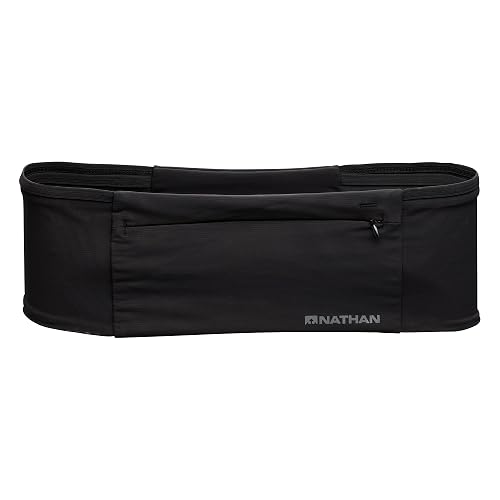 TOP CHOICEBest for carrying extra gearNathan Zipster Max Running Belt, Running Belts for Women and MenView on Amazon
- 4
 Best for dedicated trail storageSalomon Unisex Pulse Trail Running Storage Belt – Black – MView on Amazon
- 5
 Best minimalist pickMinimalist UL 1L Running Belt, RaideView on Amazon
Our Top Picks
| Product | Best for | Key feature |
|---|---|---|
| Nathan 5K Runner’s Waist Pack | Everyday road and track runs | Smartphone storage and reflective details |
| Osprey Duro Dyna LT Belt for Running | Trail runs with a stable fit | Lightweight, low-bounce design |
| Nathan Zipster Max Running Belt | Runners carrying extra gear | Extra-large zipper pocket |
| Salomon Unisex Pulse Trail Running Storage Belt | Trail runners who want organized storage | Multiple pockets with secure closures |
| Minimalist UL 1L Running Belt | Ultralight runners and races | Single 1-liter compartment |
Nathan 5K Runner’s Waist Pack, Nathan Running Belt Essentials for Women and Men
Nathan 5K Runner's Waist Pack, Nathan Running Belt Essentials for Women and Men | Smartphone Storage | Adjustable | Reflective
Best for: Everyday road and track runs where you want a phone and a few essentials close at hand.
This belt suits runners who train several days a week on pavement or track and want a simple pack that stays out of the way. It is also a practical choice for those new to running belts who prefer a familiar, low-profile design.
Key specs
- Designed for running, with smartphone storage
- Adjustable waistband
- Reflective elements for low-light visibility
Pros
- Smartphone pocket keeps a phone accessible without a handheld
- Adjustable fit suits a range of waist sizes
- Reflective details help with early-morning or evening runs
Cons
- Limited capacity for longer runs needing food and water
- Can feel snug to some runners who prefer a looser wrap
Bottom line: A solid default for runners who mostly need a phone, keys, and a gel or two on road routes.
Osprey Duro Dyna LT Belt for Running
Osprey Duro Dyna LT Belt for Running
Best for: Trail runs with a stable fit that doesn’t shift on rough, uneven ground.
Runners who take on hills, roots, and technical descents tend to care most about how a belt stays put. This model is aimed at people who want a secure, low-bounce feel and are willing to trade a little simplicity for it.
Key specs
- Designed as a running belt for dynamic movement
- Lightweight construction
- Sized for adjustable waist fit
Pros
- Designed to limit bounce on uneven terrain
- Lightweight feel for longer efforts
- Stable fit that owners often describe as secure
Cons
- Storage is more modest than dedicated multi-pocket belts
- Fit takes a few minutes to dial in correctly
Bottom line: Best for trail runners who prioritize stability over maximum storage.
Nathan Zipster Max Running Belt, Running Belts for Women and Men
Nathan Zipster Max Running Belt, Running Belts for Women and Men, Bounce-Free Waist Pack with Extra Large Zipper Pocket, Smartphone Storage, Walking, Gym, Hiking
Best for: Runners who need room for extra layers, nutrition, or a larger phone.
This belt is built around capacity. It suits hikers, walkers, and runners who carry more than the basics on long outings, or who want one pack that also works for gym sessions.
Key specs
- Extra-large zipper pocket
- Smartphone storage
- Bounce-free waist pack design
Pros
- Large zipper pocket handles bulkier items
- Bounce-free design suits longer runs
- Useful across running, walking, and gym use
Cons
- Larger profile may feel heavy on short runs
- Bulk can be noticeable under fitted tops
Bottom line: Good for runners who want maximum carrying room in a single belt.
Salomon Unisex Pulse Trail Running Storage Belt – Black – M
Salomon Unisex Pulse Trail Running Storage Belt – Black – M
Best for: Trail runners who want organized, secure storage for a full set of trail essentials.
Trail runners often carry more than road runners, including water, snacks, a jacket, and a phone. This belt is designed around organized storage and is suited to runners who plan longer off-road routes.
Key specs
- Trail running storage belt, black, size M
- Multiple storage compartments
- Unisex fit
Pros
- Organized pockets keep items separated
- Built for trail conditions and carrying more gear
- Size M is listed for a defined waist range
Cons
- Can feel bulky for short road sessions
- Sizing should be checked against your own measurements
Bottom line: A strong choice for trail runners who value organized storage over minimalism.
Minimalist UL 1L Running Belt, Raide
Minimalist UL 1L Running Belt keeps essentials close on the move UL 1L Running Belt – Raide | Minimalist UL 1L Running Belt keeps essentials close on the move
Best for: Ultralight runners and race-day use where every gram and every bounce counts.
This belt is for runners who prefer to carry as little as possible and keep essentials close to the body. It fits people who run fast, race often, or simply dislike extra weight.
Key specs
- 1-liter capacity
- Ultralight running belt design
- Keeps items close to the body
Pros
- Minimal weight and bulk
- Close-to-body carry reduces bounce
- Suits short races and fast training days
Cons
- Only 1 liter limits gear on long runs
- Less organization than multi-pocket belts
Bottom line: Best for runners who measure every gram and only need a few essentials.
Buying Guide
Fit and adjustability
Measure your waist at the point where the belt will sit, usually just above the hip bones, and compare that to the size range the manufacturer lists. A belt should feel snug enough that it doesn’t slide, but not so tight that it digs in after 30 minutes. Check that the adjustment mechanism works with one hand, since you will want to tweak it mid-run.
Good picks for this: Nathan 5K Runner’s Waist Pack, Osprey Duro Dyna LT Belt for Running
Bounce control
Bounce is the most common complaint about running belts. Belts that sit lower on the hips and keep weight close to the body generally move less. If you run on uneven trails, prioritize a design that is marketed for dynamic movement.
Good picks for this: Osprey Duro Dyna LT Belt for Running, Minimalist UL 1L Running Belt
Storage capacity
Think about what you actually carry. A phone, keys, and two gels fit easily in a small pack. Water, a jacket, and a snack for a two-hour trail run need considerably more room. Check the listed capacity and whether the main compartment can be fully closed with contents inside.
Good picks for this: Nathan Zipster Max Running Belt, Salomon Unisex Pulse Trail Running Storage Belt
Pocket layout and access
Easy access matters more than total pockets. Look for a zipper pull you can grab without looking, and a phone pocket that keeps the screen accessible but the phone secure. Separate compartments help you avoid digging through everything to reach one item.
Good picks for this: Salomon Unisex Pulse Trail Running Storage Belt, Nathan Zipster Max Running Belt
Use case and terrain
Road, track, and trail running place different demands on a belt. Road runners often want a light, low-profile design. Trail runners benefit from secure fit and more storage. Race-day runners may prioritize weight above all else.
Good picks for this: Nathan 5K Runner’s Waist Pack, Minimalist UL 1L Running Belt
Durability and materials
Running belts see sweat, rain, and trail grit. Look for water-resistant fabrics, reinforced zipper tracks, and seams that are stitched rather than glued. Owners frequently report that zippers and waistband elastic are the first parts to wear, so check how the closures feel in person when possible.
Good picks for this: Salomon Unisex Pulse Trail Running Storage Belt, Osprey Duro Dyna LT Belt for Running
Care and cleaning
Sweat breaks down fabric over time. Rinse the belt after sweaty runs, air dry it away from direct heat, and avoid machine drying, which can damage elastic and reflective strips. Follow the care label, and if you are unsure, a gentle hand wash is the safest default.
Good picks for this: Nathan Zipster Max Running Belt, Nathan 5K Runner’s Waist Pack
FAQ
How should a running belt fit?
It should sit snugly at the hips, usually just above the hip bones, without sliding when you change pace. You should be able to run and swing your arms without the belt riding up or bouncing. Test the fit with a short jog before committing to a long run.
Can a running belt hold a phone?
Many running belts include a dedicated smartphone pocket, and several models in this guide list it as a feature. Check the pocket size against your phone’s dimensions, especially if you use a large model.
Are running belts good for trail running?
They can be, especially designs built to limit bounce and provide organized storage. Trail runners often prefer belts with secure closures and enough room for water, food, and a layer.
How do I stop a running belt from bouncing?
Tighten the waistband so it sits firmly against the hips, and keep heavy items close to the body rather than at the back. Models designed for bounce control generally perform better than general-purpose packs.
How do I clean a running belt?
Rinse after sweaty runs, hand wash with mild soap if needed, and air dry away from direct heat. Avoid machine drying, which can harm elastic and reflective materials.
Do I need a running belt for short runs?
Not always. For runs under an hour with nothing to carry, you may not need one. A small belt becomes more useful when you want your phone, keys, or nutrition with you.
Conclusion
For most runners, the Nathan 5K Runner’s Waist Pack is a dependable starting point, particularly for road and track use. Trail runners who prioritize stability will likely prefer the Osprey Duro Dyna LT Belt for Running, while those who carry more gear may find the Nathan Zipster Max Running Belt or the Salomon Unisex Pulse Trail Running Storage Belt more practical. If weight matters most, the Minimalist UL 1L Running Belt fits short races and fast training days. Match the belt to your terrain, the amount you carry, and how much bounce you can tolerate.
Sources
- Guidance on physical activity and staying safe during outdoor exercise (cdc.gov)
- Workplace and general guidance on fit, comfort and body mechanics (osha.gov)
Related reading
- Wirecutter Best Running Belt: 7 Top Picks Compared (2026)
- Whirlpool Duet Dryer Belt Squeaks While Running: 5 Causes and Fixes
- What Size Treadmill Belt for Running? Length, Width and How to Check
- What Is a Running Belt Used For? Uses, Types and Tips (2026)
- Types of Running Hydration Belt: 4 Styles and Who Each Suits
About Emily Parker
Emily Parker is part of our editorial team and reviews and edits our running gear & races guides, checking product details against manufacturer specifications and owner feedback.