
 By Caleb Morgan
Updated November 2026
The ASICS Gel-Nimbus line has long been ASICS’s cushioned, daily-trainer option for runners who want plush landings and a stable, comfortable ride over a lot of miles. This review looks at the Men’s Gel-Nimbus 28 using manufacturer specifications and patterns from owner feedback, so you can judge whether asics gel-nimbus running shoes fit your training. The model suits neutral runners, heavier runners, and anyone logging high weekly mileage who prioritizes cushioning. It is a poor choice for runners wanting a light, fast racing flat, for those who need a firm motion-control shoe, or for anyone seeking a trail outsole. Runners with wide feet should check fit carefully before buying.
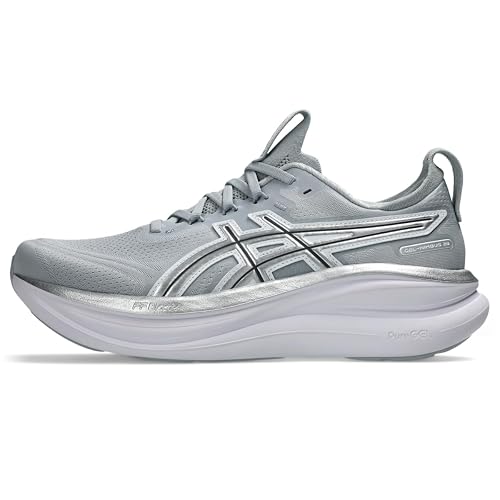
ASICS Men's Gel-Nimbus 28 Running Shoes
Product Overview
The ASICS Men’s Gel-Nimbus 28 is a road running shoe built around maximum cushioning for everyday training, easy runs, and long runs. ASICS positions the Nimbus family as its premium cushioned trainer, sitting above lighter daily trainers in the brand’s road lineup. The shoe is designed for runners who heel-strike or run with a neutral gait and want a soft, forgiving platform underfoot.
Owners often describe the Nimbus as a shoe they reach for on recovery days and long weekend runs, where comfort matters more than speed. Because the cushioning is the central selling point, the shoe tends to feel softer and taller than most trainers. That makes it appealing for high-mileage training blocks and for runners returning from injury who want less impact per step, though the extra height can feel unstable for some people on uneven ground.
Compared with the brand’s trail models such as the Gel-Venture line, the Nimbus is made for pavement and track surfaces. It lacks the aggressive lugs and rock protection that trail shoes provide, so it is best kept on roads, paths, and treadmills.
Key Features & Specifications
The table below lists the characteristics that ASICS and retailers commonly describe for this model. Confirm exact weight and drop on the product page for your size, since these can vary by size and colorway.
| Feature | What It Means for You |
|---|---|
| Category | Road running, neutral daily trainer |
| Intended use | Easy runs, long runs, recovery runs, high-mileage training |
| Cushioning | Maximum cushioning platform for soft landings |
| Gait type | Designed for neutral to moderate pronation |
| Surface | Road, track, treadmill; not designed for trail |
| Fit | Standard men’s width; check sizing for wide or narrow feet |
| Drop | Moderate heel-to-toe drop typical of the Nimbus family; verify on listing |
| Upper | Engineered mesh for breathability and a secure midfoot |
Pros & Cons
Pros
- Very plush cushioning that suits long runs and recovery days
- Generally smooth, stable ride for neutral runners
- Breathable upper suitable for warm-weather training
- Well suited to high weekly mileage and heavier runners
- Familiar Nimbus identity, so runners who have used prior versions know what to expect
Cons
- Heavier than lightweight trainers or racing flats
- Tall stack can feel less responsive at faster paces
- Not suitable for trail or rough terrain
- Fit may feel snug for runners with wide forefeet
- Higher stack can feel unstable for runners who prefer a low, close-to-ground feel
Performance Analysis
Performance with this shoe comes down to a trade-off. The thick midsole absorbs impact well, which is the reason most runners buy it. Owners frequently mention that the first few miles feel soft and that legs feel fresher after long efforts compared with firmer trainers. For runners with joint sensitivity or those building back up after time off, that cushioning can make consistent training more comfortable.
The trade-off is responsiveness. A high-stack midsole that compresses under load gives back less energy than a firmer, lighter shoe. That is why the Nimbus is rarely recommended for tempo runs, intervals, or race day for runners chasing faster times. Most runners use it for the bulk of their easy mileage and save lighter shoes for quality sessions.
Stability is generally adequate for neutral runners. The shoe is not built as a motion-control or stability shoe, so runners with significant overpronation may want to look at dedicated support models. Ride feel depends on the individual, and runners who prefer a firm, close-to-ground platform may find the Nimbus too soft. A short test run on a treadmill or a loop near home is a good way to check comfort before committing to longer distances.
Durability is typically discussed in terms of outsole wear on the rear of the shoe where heel strike is heaviest. Rotating your running shoes across the week tends to extend the life of any cushioned trainer, and the Nimbus is no exception.
Who Should Buy This Product?
This shoe makes the most sense for runners who log a meaningful share of their weekly mileage at easy effort and value comfort above all else. Heavier runners, those returning from injury who want reduced impact, and runners training for marathons who need a soft platform for long runs will likely find it useful. Runners who run primarily on pavement or treadmills will get the most out of it.
You should skip this shoe if you race frequently at short distances, if you need a light and responsive trainer for faster workouts, or if you run mainly on trails. Runners who need firm motion control for significant overpronation should consult a running specialist or a podiatrist before choosing a support shoe. Anyone with a foot condition, persistent pain, or a history of injury should check with a medical professional before changing their footwear routine.
Buying Guide
When you shop for asics gel-nimbus running shoes, work through these steps before buying:
- Confirm the model year. Newer versions change midsole compounds and upper construction. Check that the listing matches the version you want.
- Measure your feet. Measure length and width in the afternoon, when feet are slightly swollen. Compare with the brand’s size chart rather than relying on your usual size alone.
- Leave a thumb’s width. Aim for roughly a thumb’s width of space between your longest toe and the front of the shoe.
- Check the heel lock. Your heel should not slip more than slightly when you walk or jog. A snug heel with room in the toe box is the target.
- Test the cushioning. Walk and jog for several minutes. The ride should feel soft but not unstable. If your ankle rolls on the high stack, consider a lower-profile trainer.
- Plan your rotation. If you own a racing shoe or a faster trainer, use the Nimbus for easy and long runs and keep the others for workouts.
If the Nimbus does not match your needs, two well-known alternatives from ASICS are worth comparing. The Gel-Venture line is built for trail use, with lugs and rock protection, and the ASICS Gel-Venture 11 Trail Running Shoes Review: Is It Worth It? covers how it differs from the Nimbus. For a more everyday, lighter-feeling option, the Gel-Contend line works well for runners who want a simpler, lower-stack trainer.
For runners comparing ASICS road options more broadly, 6 Best Asics for Running Shoes for Every Runner (2026) and 5 Best ASICS Running Sneakers Shoes for Every Runner (2026) offer additional context on how the brand’s trainers differ by stride and goal. If you are weighing trail versus road options, Trail Running Shoes vs Running Shoes (2026): Which Is Better for Your Runs? explains the distinction clearly.
Alternative 1: ASICS Men’s Gel-Venture 11 Trail Running Shoes, best for runners who need lugs and rock protection on dirt paths.

ASICS Men's Gel-Venture 11 Trail Running Shoes
Alternative 2: ASICS Men’s Gel-Contend 10 Running Shoes, a simpler daily trainer for runners who want a lower, less bulky feel.

ASICS Men's Gel-Contend 10 Running Shoes
FAQ
Are asics gel-nimbus running shoes good for beginners?
Yes, for many beginners the cushioning and stable platform make the Nimbus comfortable for early training. Beginners should still build mileage gradually and consider a fitting at a specialty running store.
Do the Nimbus shoes run true to size?
Most owners report a standard fit, but sizing can vary. Compare your measurements with the brand’s chart and try to leave a thumb’s width at the toe.
Are these shoes good for flat feet?
Many neutral and flat-footed runners find the stable base comfortable. Runners with significant overpronation should consult a running specialist about dedicated support footwear.
Can I use the Nimbus for races?
Some runners use it for longer races where comfort matters, but it is heavier than racing shoes. Test it in training before race day.
How long do cushioned trainers like the Nimbus last?
Lifespan depends on weight, surface, and mileage. Many runners replace running shoes after several hundred miles, and rotating pairs can extend their life.
Is the Nimbus suitable for wide feet?
The standard width may feel snug for some runners with wide forefeet. Check the available width options on the listing and consider a fitting before buying.
Should I see a professional before buying running shoes?
If you have foot pain, a past injury, or a medical condition, consult a physical therapist, podiatrist, or doctor before changing your footwear.
Final Verdict
The ASICS Men’s Gel-Nimbus 28 delivers plush, stable cushioning for easy, long, and recovery miles. It suits neutral and heavier runners who value comfort above speed and who spend most of their time on pavement or treadmills. It is not the right tool for trail runs, fast workouts, or racing, and runners with wide feet should confirm fit first. Compare the specifications with your own gait and training plan, and try it on before committing.
Related reading
- ASICS Men's Gel-Venture 11 Trail Running Shoes Review: Is It Worth It?
- ASICS Gel-Sonoma 8 Trail Running Shoes: 3 Best Picks Compared (2026)
About Caleb Morgan
Caleb Morgan is part of our editorial team and reviews and edits our running gear & races guides, checking product details against manufacturer specifications and owner feedback.


