By Caleb Morgan
Updated November 2026
Trail running shoes vs running shoes is a choice that comes down to where you run most of the time. Trail running shoes win on loose dirt, mud, roots and rock because their outsoles grip, their uppers protect your foot, and their midsoles stay stable on uneven ground. Road running shoes win on pavement, track and smooth paths because they are lighter, more flexible and built for a faster, more efficient stride on hard surfaces. If you run mostly on asphalt, pick road shoes. If more than a quarter of your miles touch dirt, gravel or technical singletrack, trail shoes are the safer long-term bet.
| Criterion | Trail running shoes | Road running shoes |
|---|---|---|
| Outsole traction | Deep, multidirectional lugs (often 3–5 mm) for mud, sand and loose rock | Shallow, flat tread designed for pavement and track |
| Foot protection | Rock plates, reinforced toe caps and tougher uppers | Light mesh uppers with minimal underfoot protection |
| Stability on uneven ground | Wider, lower-profile platform with firmer heel counters | Optimized for flat, predictable surfaces |
| Weight | Generally heavier due to lugs and protective materials | Generally lighter and more flexible |
| Breathability and drainage | Often water-resistant or with drainage ports; can run warmer | Highly breathable mesh that dries fast on dry roads |
| Best terrain | Dirt, gravel, mud, forest paths, rocky singletrack | Pavement, roads, treadmill, track, paved paths |
| Ride feel | Firmer, more planted underfoot | Responsive, smoother transitions at faster paces |
Traction: Which Shoe Grips Better?
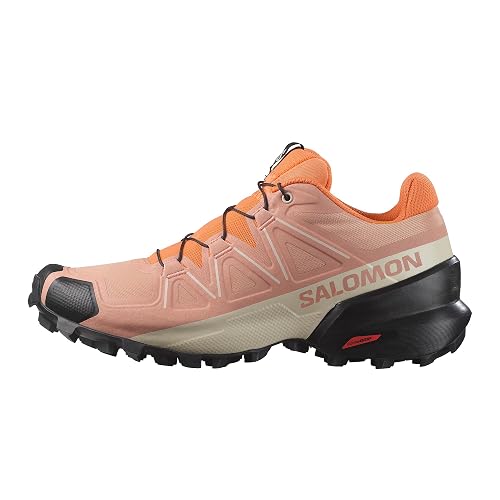
Trail running shoes win on traction. Their outsoles use deeper lugs, usually in the 3 to 5 mm range, arranged in patterns that bite into soft ground and shed mud. Many trail outsoles also use stickier rubber compounds that hold on wet rock. Road shoes use shallow, flat tread that works well on dry pavement but can slide on wet leaves, mud or loose gravel. Trail shoes do not make you immune to slips, and running downhill on wet roots still demands caution. Still, the difference is large enough that road shoes on a muddy trail can feel unpredictable.
If you run on a mix of surfaces, look for a trail shoe with moderate lugs rather than aggressive ones. Shallow-to-moderate lugs handle packed dirt and pavement without feeling clumsy.
Protection and Durability: Which Shoe Protects Your Feet Better?
Trail running shoes win on protection. Most include a rock plate, a thin layer of firm material between the midsole and outsole that shields your foot from sharp stones and roots. Trail uppers are usually tougher, with reinforced toe caps and tighter mesh or synthetic overlays that resist abrasion from brush and branches. Road shoes prioritize breathability and light weight, so their uppers are thinner and they rarely include rock plates. On pavement, that trade-off makes sense. On rocky trails, a road shoe can leave you feeling every stone.
Durability tracks with the same logic. Trail outsoles are typically built to last through abrasive surfaces, while road outsoles wear faster on gravel if you run off-road. Expect road shoes to show wear sooner if you use them on rough terrain.
Weight and Cushioning: Which Shoe Feels Lighter?
Road running shoes win on weight. Without heavy lugs and protective plates, they tend to weigh less, which helps at faster paces and in races where every ounce counts. Many road models feel responsive and flexible through the forefoot. Trail shoes are heavier because of their outsoles and protective components, but the gap has narrowed in recent years, and lightweight trail shoes exist for runners who want a balance of grip and speed. Cushioning varies widely in both categories, so compare stack height and feel rather than assuming one category is always softer.
Fit and Stability: Which Shoe Holds Your Foot Better?
Trail running shoes win on stability for uneven ground. Their heel counters are often firmer, and the platform tends to sit lower and wider, which keeps your ankle from rolling on off-camber trails. Road shoes can be more flexible and sometimes narrower in the midfoot, which suits a smooth, efficient stride but can feel loose on technical terrain. Check the lacing system as well. Trail shoes often include lace locks or gaiter attachments, and some have a snugger heel fit to prevent slipping on climbs.
For fit, try both categories with the socks and insoles you plan to use. Let your toes have about a thumbnail’s width of space at the front, especially for downhill running, where your feet slide forward.
Breathability and Water Resistance: Which Shoe Stays Comfortable?
Road running shoes win on breathability. Their open mesh uppers let heat escape, and they dry quickly after a run on dry pavement. Trail shoes trade some of that airflow for protection. Many use denser mesh, synthetic overlays or water-resistant membranes, and they can trap heat on hot days. On wet trails, though, a water-resistant trail shoe keeps your feet drier than a fully mesh road shoe would. Some trail models include drainage ports, which help water exit after stream crossings. Choose based on your climate and terrain: hot and dry favors road shoes, while wet, muddy or cold conditions favor trail shoes.
Which Should You Choose?
Choose based on the surfaces you run on most, not on the shoe you like the look of. Use these guidelines:
- Mostly pavement, track or treadmill: Road running shoes. They are lighter, breathe better and feel more efficient at faster paces.
- Mostly dirt, gravel or forest paths: Trail running shoes with moderate lugs. You get grip without a heavy shoe.
- Rocky, technical singletrack: Trail running shoes with a rock plate and aggressive tread for stability and protection.
- Mixed routes (roads plus trails): A versatile trail shoe with a moderate outsole, or a road shoe if the trail sections are short and smooth.
- Wet, muddy or cold climates: Water-resistant trail shoes with drainage features.
- Hot, dry climates: Breathable road shoes, or a lightweight trail shoe with an open upper.
- Racing or speed work: Road shoes for pavement races; lightweight trail shoes for trail races.
If you want to compare specific models, start with road options such as the View on Amazon for everyday cushioned road running, or the View on Amazon for a plush daily trainer. For trail running, consider the View on Amazon for aggressive grip and the View on Amazon for a cushioned trail ride. Each option suits a different kind of runner, so match the shoe to the terrain and training load you actually face.
For background on how these categories differ in more depth, read Road vs Trail Running Shoes. If you are weighing support needs, Neutral vs Stability Running Shoes explains how stability design interacts with terrain. Runners who want a more natural ride may also find Top 7 Minimal Trail Running Shoes for Natural Feel on Dirt Paths useful, and wider-toe runners should check Trail Running Shoes Wide: A Practical Guide (2026).
FAQ
Can I use trail running shoes on the road?
Yes, though they will feel heavier and less responsive than road shoes. Their lugs can also wear unevenly on pavement. For occasional road miles, a trail shoe works fine. For regular road training, a road shoe is the better fit.
Can I run on trails in road running shoes?
You can, on smooth, dry dirt paths. On muddy, rocky or steep terrain, road shoes lack grip and protection, which increases slip and foot-injury risk. Switch to trail shoes once the surface becomes technical.
Do trail running shoes last longer than road shoes?
Trail shoes often hold up better on abrasive surfaces because of tougher uppers and outsoles. Lifespan still depends on mileage, body weight, running style and terrain. Many runners replace running shoes somewhere in the range of several hundred miles, but check your specific model’s guidance.
Are trail running shoes good for beginners?
They can be, especially for runners who train mostly on trails. Beginners on pavement will usually be more comfortable in road shoes. If you are unsure, consider your most frequent route and choose accordingly.
Should I size up in trail running shoes?
Many runners find trail shoes fit slightly differently than road shoes, with some models running a bit narrower or wider. Try both on in the afternoon, when feet are slightly swollen, and leave room at the toe box. If you have foot concerns, a podiatrist or experienced running shop fitter can help you choose the right size.
Conclusion
Trail running shoes vs running shoes is not a contest with one universal winner. Road shoes are lighter, more breathable and more efficient on pavement. Trail shoes offer grip, protection and stability on dirt, mud and rock. Match the shoe to the surfaces you run on most, and you will get better comfort, better performance and fewer surprises on your runs.
Related reading
About Caleb Morgan
Caleb Morgan is part of our editorial team and reviews and edits our running gear & races guides, checking product details against manufacturer specifications and owner feedback.