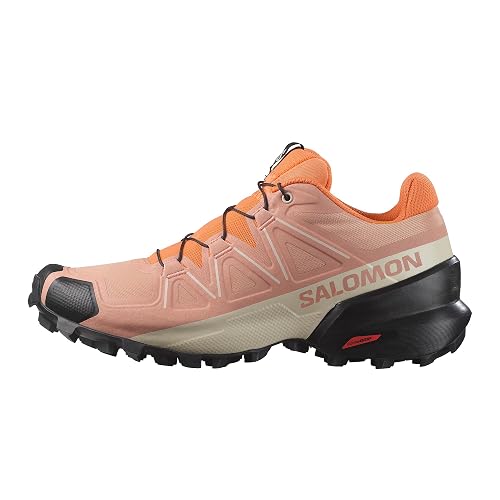
By Caleb Morgan
Updated November 2026
Topo trail running shoes are built around a roomier toe box, a moderate heel-to-toe drop, and a lightweight, flexible ride. If you know what to look for, you can match a specific Topo model to your foot shape, your typical trails, and your training load in about an hour of reading and fitting. This guide walks you through the factors that matter most, the fit checks to run before you buy, and the mistakes that send runners back to the store.
What Sets Topo Trail Running Shoes Apart
Most people shopping for topo trail running shoes are looking for something different from a conventional cushioned trail shoe. The brand has built its reputation on a wider forefoot, a lower stack height than many competitors, and a heel-to-toe drop that sits closer to the low end of the spectrum. Those choices suit runners who want their feet to spread naturally on each stride and who prefer to feel the trail under them.
That design is not a universal fit. Runners with narrow heels, very high arches, or a history of calf or Achilles problems often need a transition period. Before you commit to any model, decide whether you want a natural-feel ride or a more protective one, because that choice narrows your options quickly.
Step 1: Define Your Terrain and Running Style
Start by describing the runs you actually do, not the ones you hope to do someday. A runner who sticks to groomed gravel paths needs a different shoe than someone tackling rocky singletrack with long descents.
Match the Outsole to the Ground
Lug depth and rubber compound determine grip. As a general guide:
- Shallow lugs (roughly 3 to 4 mm): Suited to firm dirt, packed gravel, and smooth doubletrack.
- Moderate lugs (roughly 4 to 5 mm): A good all-round choice for mixed terrain.
- Deep, aggressive lugs (5 mm and up): Better for mud, loose scree, and steep wet climbs.
Check the manufacturer’s stated lug depth for each model, since figures vary by version.
Consider Your Weekly Volume
If you run 40 or more miles a week, prioritize durability and midsole resilience. Lighter, lower-stack shoes can feel great on short efforts but may fatigue your legs faster over long weeks. Runners doing shorter, faster sessions often prefer the lighter option.
Step 2: Get the Fit Right
Fit matters more than any spec sheet. Topo models are known for a wider toe area, but that alone does not guarantee a good fit. Work through these checks:
- Measure both feet in the afternoon, when they are most swollen.
- Try on shoes with the socks you actually run in.
- Stand with your full weight on each foot and check that your toes have about a thumb’s width of room at the front.
- Walk or jog briefly on a hard surface. Look for heel slip, forefoot pressure, or pinching on the sides.
- Lace the shoe snugly, then check that the midfoot holds without cutting off circulation.
Check the Heel Lock
Heel slip is the most common fit complaint with wide-toe shoes. If your heel lifts more than a few millimeters on each stride, try a heel-lock lacing method or a different model with a narrower heel cup.
Compare Sizing Across Models
Sizing can differ between Topo models and between versions of the same shoe. Do not assume your size from another brand or from a previous pair will carry over. Try the exact model you plan to buy.
Step 3: Evaluate Drop, Stack, and Cushioning
Heel-to-toe drop is the difference in millimeters between the heel and forefoot heights. Lower drop encourages a midfoot or forefoot landing pattern for many runners, but it also loads the calves and Achilles more heavily.
| Factor | Lower Setting | Higher Setting |
|---|---|---|
| Drop | Closer to zero; more natural foot motion | More heel elevation; easier on calves |
| Stack height | Thinner sole; more ground feel | Thicker sole; more impact protection |
| Best for | Experienced runners, short efforts | Longer runs, transitioning runners |
If you are coming from a conventional shoe with a higher drop, transition gradually. Add short runs in the new shoes over several weeks. Sudden changes are a common cause of calf strain. If you have a current calf, Achilles, or foot injury, consult a physical therapist or sports medicine professional before changing shoe type.
Step 4: Assess Protection and Foot Feel
Some runners want to feel every root and pebble. Others need more cushioning to stay comfortable over rocky, long-distance terrain. Ask yourself how much impact protection your joints need and how much trail feedback you want. A thinner midsole gives more feel but less shock absorption. A thicker one does the reverse.
Step 5: Test Before You Commit
Whenever possible, run a short test loop on terrain similar to your usual routes. Pay attention to:
- Heel security on descents
- Toe pressure on long downhills
- Traction on wet rock and roots
- Any hot spots or rubbing after 20 to 30 minutes
If the shoe fails any of these checks, it is not the right model for you, regardless of how it looks on the shelf.
Common Mistakes to Avoid
- Buying based on reviews alone. Foot shape varies widely, so a shoe that fits one runner may not fit you.
- Ignoring the heel. A roomy toe box does not fix a loose heel.
- Jumping straight into long runs. Build up gradually, especially if the drop or stack is a change.
- Choosing lugs that are too aggressive for your terrain. Deep lugs on hard-packed trails can feel unstable and wear faster.
- Replacing shoes too late. Worn midsoles lose cushioning and stability well before the outsole looks bald.
Tips for Getting the Most From Your Shoes
- Rotate two pairs if you run most days. This can extend the life of each pair.
- Rinse mud off after runs and let the shoes air-dry away from direct heat.
- Keep a log of miles on each pair so you can track wear.
- Replace insoles only if the fit or comfort changes, since the stock insole is designed to match the upper and midsole.
Recommended gear
- Topo Athletic MTN Racer 3: A lightweight trail option with a moderate lug pattern, a good pick for runners who want speed on mixed dirt and gravel. View on Amazon
- Topo Athletic Ultrafly 4: A cushioned, versatile trail shoe for longer efforts and runners who want more protection on rocky ground. View on Amazon
- Injinji Trail Midweight Crew socks: Toe socks that help reduce friction in wide-toe shoes, useful during the first weeks of wearing a new pair. View on Amazon
- Salomon Quicklace or a comparable lace system: Helpful for runners who want a consistent, quick-adjust fit on trail shoes. View on Amazon
Related Reading
If you are still comparing options, start with Trail Running Shoes Zero Drop: 7 Things to Know Before You Buy for a deeper look at low-drop designs. Runners interested in a wider forefoot across brands may find 6 Best Widest Trail Running Shoes for Wide Feet (2026) useful. For a broader comparison, see 7 Best Running Shoes for Trail Running: Our Picks Compared. Runners deciding between road and trail designs can check Road vs Trail Running Shoes.
FAQ
Are topo trail running shoes good for wide feet?
Many runners with wide forefeet find the toe box roomier than in many conventional trail shoes. Fit still varies by model and foot shape, so try on the exact version you plan to buy.
What is the drop on Topo trail shoes?
Drop differs by model. Check the manufacturer’s specification for the specific shoe you are considering, since it is listed in millimeters and varies between releases.
Should I size up in Topo trail running shoes?
Not always. Some runners go up a half size for extra room, but many find their usual size fits well. Test both if you can, and check for heel slip and toe pressure.
How long do topo trail running shoes last?
Lifespan depends on terrain, body weight, and weekly mileage. Many runners replace trail shoes once the midsole feels flat or the outsole lugs are noticeably worn. Track your miles to estimate the timing.
Can I use Topo trail shoes on pavement?
You can, but deep-lug trail shoes can feel less smooth on hard surfaces. Shallower-lug models are a better fit for mixed road and trail running.
How do I transition to a lower-drop Topo shoe?
Start with short runs, add a few sessions per week, and increase gradually over several weeks. If you develop calf or Achilles pain, reduce the load and consult a physical therapist.
Are Topo shoes waterproof?
Standard models are typically not waterproof. Check the product details for any water-resistant or waterproof versions before buying for wet conditions.
Conclusion
Choosing topo trail running shoes comes down to matching the model to your terrain, your fit, and your running volume. Work through the fit checks, compare drop and stack, and test on terrain like your usual routes. If you have an existing injury or are making a large change in shoe type, consult a qualified professional before you commit.
Ready to choose one?
About Caleb Morgan
Caleb Morgan is part of our editorial team and reviews and edits our running gear & races guides, checking product details against manufacturer specifications and owner feedback.