As an Amazon Associate I earn from qualifying purchases. This page may contain affiliate links.
Fartlek is a Swedish term for “speed play,” and it asks a lot from a running shoe. One minute you are cruising at an easy pace, the next you are surging into a hard effort, then dropping back down without warning. The best running shoes for fartlek need to handle quick accelerations, firm toe-off, and enough cushioning to absorb repeated hard landings without feeling mushy at speed. This guide compares seven widely available models from Saucony, Brooks, ASICS and LI-NING, sorted by how well each one fits the stop-and-go demands of a fartlek session.
Our selection criteria were based on published specifications, brand positioning, and the patterns that appear most often in owner feedback. We looked at stack height, weight, midsole foam type, heel-to-toe drop, and whether each shoe is positioned as a daily trainer, a tempo shoe, or a race-day option. We did not test these shoes ourselves, so treat the notes below as a research-based guide rather than hands-on verdicts.
Our Top Picks
Quick Comparison
| Product | Best for | Key feature |
|---|---|---|
| Saucony Unisex Endorphin Elite 2 Road Running Shoe | Fast fartlek sessions and race-pace surges | Lightweight, responsive racing-style build |
| Brooks Men’s Adrenaline GTS 25 Running Shoe | Runners who need support on longer fartlek runs | Stability support with a cushioned ride |
| ASICS Men’s Gel-Nimbus 28 Running Shoes | Cushioned workouts and recovery-heavy weeks | Plush cushioning for high-mileage comfort |
| Brooks Men’s Revel 8 Running Shoe | Beginners and easy-to-start fartlek | Lightweight, versatile daily feel |
| Brooks Men’s Ghost Max 3 Running Shoe | Long fartlek runs and steady-state blocks | Maximum cushioning for impact absorption |
| LI-NING Red Hare 9 Ultra Men’s Running Shoes | Lightweight speed sessions on the track or roads | Light, breathable upper for quick turnover |
| Brooks Unisex Hyperion Elite 5 Neutral Race Running Shoe | Race-day efforts and harder fartlek intervals | Racing-oriented, fast-feeling platform |
Saucony Unisex Endorphin Elite 2 Road Running Shoe

Saucony Unisex Endorphin Elite 2 Road Running Shoe
This shoe suits runners who already handle speed work comfortably and want a responsive platform for the fast surges in a fartlek session. It is built in the racing-shoe category, so it rewards a confident stride more than a slow, shuffling one.
Key specs
- Road running shoe designed for speed and race-pace efforts
- Lightweight construction positioned for quick transitions
Pros
- Responsive feel during accelerations and surges
- Light enough to keep leg turnover quick
- Well suited to shorter, faster fartlek blocks
Cons
- Less cushioning than daily trainers for long, hard efforts
- May feel firm for runners who prefer a plush ride
Brooks Men’s Adrenaline GTS 25 Running Shoe
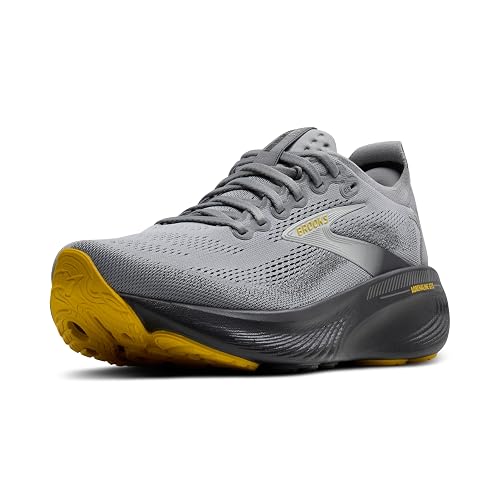
Brooks Men's Adrenaline GTS 25 Running Shoe
The Adrenaline line is aimed at runners who want guidance and stability through the whole run. For fartlek, that can help keep the foot steady when pace changes quickly, especially late in a long session when form tends to slip.
Key specs
- Stability running shoe for men
- Designed to support the foot during longer efforts
Pros
- Supportive structure helps control overpronation tendencies
- Cushioned enough for repeated hard landings
- Stable platform through pace changes
Cons
- Heavier than racing-focused models
- Can feel bulky for runners who prefer a minimal ride
ASICS Men’s Gel-Nimbus 28 Running Shoes

ASICS Men's Gel-Nimbus 28 Running Shoes
This is a cushioning-first shoe. Runners who log high weekly mileage and want their legs to feel fresher after hard fartlek intervals often lean toward this type of build.
Key specs
- Max-cushion daily trainer for men
- Gel cushioning system in the heel and forefoot
Pros
- Plush cushioning absorbs repeated impact
- Comfortable for long easy runs between fartlek sessions
- Smooth, stable feel on varied surfaces
Cons
- Heavier and softer than speed-focused shoes
- Less snappy during fast surges
Brooks Men’s Revel 8 Running Shoe

Brooks Men’s Revel 8 Running Shoe
The Revel is positioned as an accessible, versatile shoe. Newer runners or those introducing speed play for the first time may appreciate its easy-going character, since it does not demand a fast stride to feel comfortable.
Key specs
- Neutral running shoe for men
- Lightweight daily-training build
Pros
- Easy to transition into fartlek without a steep learning curve
- Light and flexible for quick changes of pace
- Versatile across easy runs and short speed bursts
Cons
- Not as responsive as dedicated speed shoes
- May lack the cushioning some runners want for long sessions
Brooks Men’s Ghost Max 3 Running Shoe

Brooks Men’s Ghost Max 3 Running Shoe
The Ghost Max is built around maximum cushioning. It fits runners who want a protective ride during the easy stretches of a fartlek run and are willing to trade some snap for comfort on the hard efforts.
Key specs
- Max-cushion neutral running shoe for men
- Designed for everyday training volume
Pros
- Strong impact protection on long fartlek runs
- Comfortable, stable ride for high mileage
- Good choice for recovery-focused training weeks
Cons
- Heavier than speed-oriented options
- Less responsive during sharp surges
LI-NING Red Hare 9 Ultra Men’s Running Shoes Lightweight Breathable Racing Training Sneakers Training Athletic Footwear

LI-NING Red Hare 9 Ultra Men's Running Shoes Lightweight Breathable Racing Training Sneakers Training Athletic Footwear
This is a lightweight training and racing-style shoe. Runners who prioritize a light, breathable upper and quick turnover during speed work may find it a good match for shorter, faster fartlek sessions.
Key specs
- Lightweight racing-training shoe for men
- Breathable upper designed for training sessions
Pros
- Light weight supports quick leg turnover
- Breathable upper suits warm-weather speed work
- Agile feel for changes of direction and pace
Cons
- Less cushioning for long, pounding efforts
- Fit and sizing can vary, so check size guidance carefully
Brooks Unisex Hyperion Elite 5 Neutral Race Running Shoe for Men & Women

Brooks Unisex Hyperion Elite 5 Neutral Race Running Shoe for Men & Women
This is a race-oriented shoe for runners who want a fast, efficient feel for their hardest fartlek intervals or race-pace work. It is less about all-day comfort and more about performance when the effort is high.
Key specs
- Neutral race running shoe for men and women
- Built for performance-focused efforts
Pros
- Fast, efficient feel during hard surges
- Suits race-pace intervals well
- Neutral platform works for many stride types
Cons
- Firmer ride than daily trainers
- Not ideal as a single shoe for every run
Buying Guide
Choosing among these options comes down to how your fartlek sessions are structured. A workout built around short, sharp surges asks different things from a shoe than one built around long, rolling changes of pace. Start by identifying your main training pattern, then match the shoe to it.
Selection criteria to weigh first
- Responsiveness: Look for firmer midsole foams and lighter weights if your sessions include many fast accelerations.
- Cushioning: Higher stack shoes absorb more impact, which helps on long or hilly fartlek runs.
- Stability: Guidance or stability features can help if you tend to roll inward and your form breaks down when you speed up.
- Weight: Lighter shoes encourage quicker turnover but may offer less protection on hard surfaces.
- Breathability: Warm-weather speed work benefits from open uppers that keep the foot cool.
Important features and specs to check
Review stack height, heel-to-toe drop, and reported weight. Stack height tells you how much foam sits between your foot and the ground. A higher stack generally means more cushioning, while a lower stack usually feels more direct. Heel-to-toe drop, the height difference between heel and forefoot, influences how your calves and Achilles tendon handle the faster efforts. If you are adjusting to a new drop, do it gradually.
Choosing by need
- Short, fast intervals: Prioritize lighter, more responsive models.
- Long, rolling fartlek runs: Prioritize cushioning and a stable platform.
- Beginners to speed play: Choose a versatile, easy-to-run-in shoe rather than a pure racer.
- Race-pace efforts: A dedicated race-oriented model may suit you, but keep a trainer for most runs.
Things to watch out for
- Do not buy a racing shoe as your only pair. Its firmer build can increase fatigue across an entire training week.
- Test sizing with the socks you will actually run in, and allow room for foot swelling during longer sessions.
- Rotate pairs if you can. Alternating shoes gives foam time to recover and spreads out the load.
- If you have ongoing foot, ankle, knee or hip pain, consult a sports medicine professional or a qualified running coach before changing your shoe type.
For a deeper look at how shoe categories differ, see Neutral vs Stability Running Shoes and Road vs Trail Running Shoes. If you are working out your fit, Running Shoe Size Guide: How to Find Your Right Fit in 6 Steps walks through the process.
FAQ
What makes a running shoe good for fartlek?
A good fartlek shoe balances responsiveness and protection. It should feel secure during quick accelerations, transition smoothly back to easy pace, and provide enough cushioning to handle repeated hard landings without making the ride feel dull.
Can I use a daily trainer for fartlek?
Yes. Many runners do fartlek in a daily trainer. A cushioned or lightweight trainer covers most fartlek needs, especially if your surges are moderate. Racing shoes are better suited to harder, shorter efforts.
Should I buy a racing shoe for speed sessions?
Racing shoes can feel great during fast intervals, but their firmer, lighter builds may increase fatigue if used too often. Many runners keep one as a special-session shoe and use a trainer for most other runs.
Do I need stability shoes for fartlek?
Not necessarily. Stability shoes help runners who overpronate or whose form breaks down when they speed up. If you have no history of that and feel comfortable in neutral shoes, a neutral model is usually fine. A gait analysis from a specialist can help you decide.
How often should I replace running shoes used for fartlek?
Many runners replace shoes somewhere around 300 to 500 miles, though this varies with body weight, stride, surface and the shoe’s construction. Watch for visible midsole creasing, reduced cushioning, or new aches as signs it is time.
How should running shoes fit for speed work?
Aim for about a thumb’s width of room in front of your longest toe, a snug heel, and no pinching across the midfoot. Feet can swell during long or hard sessions, so trying shoes later in the day can help you get a realistic fit.
Are lightweight shoes better for fast intervals?
Lighter shoes can make quick turnover feel easier, but weight is only one factor. Foam type, stack height and fit affect how fast a shoe feels just as much. Choose based on the complete ride, not weight alone.
Conclusion
The best running shoes for fartlek depend on the kind of speed play you do. For fast, sharp surges, the Saucony Endorphin Elite 2 and the Brooks Hyperion Elite 5 offer the most responsive, race-oriented feel, with the Hyperion better suited to focused race-pace work. For runners who need stability through long, changing sessions, the Brooks Adrenaline GTS 25 is a supportive choice. If comfort and impact protection come first, the ASICS Gel-Nimbus 28 and Brooks Ghost Max 3 provide plush rides that suit high-mileage weeks. The Brooks Revel 8 is a practical, approachable pick for newer runners, and the LI-NING Red Hare 9 Ultra suits lightweight, breathable speed sessions.
Match the shoe to your most common session, keep a cushioned trainer for everyday miles, and reserve faster models for the efforts that need them. For more background before you buy, the Running Shoe Buying Guide and Is a Do It All Running Shoe Good Enough? Trade-Offs Explained are good next reads.