
 By Caleb Morgan
Updated November 2026
Trail running shoes from Brooks built around the Cascadia name have been a long-running choice for runners who want a firm, stable ride on mixed terrain. This review looks at the women’s Cascadia 19, a mountain trail model, and asks who it suits and who should look elsewhere. It is based on the published specifications, the way the shoe is positioned by the brand, and recurring patterns in owner feedback rather than on our own testing. If you run mostly on rocky singletrack, root-filled forest paths or loose climbs, this shoe is built for that job. If your runs are mainly smooth roads, groomed gravel or very long easy miles on pavement, you may find a road shoe more comfortable.

Brooks Women’s Cascadia 19 Mountain Trail Running Shoe
Product Overview
The Brooks Women’s Cascadia 19 Mountain Trail Running Shoe sits in the brand’s established trail lineup. The Cascadia line has long been known as a versatile, all-around trail shoe, bridging the gap between cushioned road-style trainers and more aggressive technical models. The 19th iteration keeps that identity: a moderate amount of cushioning, a lugged outsole meant for varied surfaces and a upper designed to hold the foot without feeling restrictive.
The shoe is aimed at women who run trails at training pace, race trail events of moderate distance, or want one pair that handles a mix of dirt, gravel and rocky sections. Brooks markets the Cascadia as a daily trail option rather than a specialist racing flat or a heavily cushioned ultra shoe. That positioning matters when you judge it: it is meant to be dependable across many conditions, not best in any single one.
Because the Cascadia has been released in many generations, owners often compare the 19 with earlier versions. Common threads in those comparisons include a secure heel fit, a sole that grips well on dry and moderately wet dirt, and a ride that feels more protective underfoot than minimalist trail shoes.
Key Features & Specifications
The table below lists the characteristics most relevant to buyers. Where the manufacturer does not publish an exact figure, we have left the cell general rather than guess.
| Feature | What It Means for You |
|---|---|
| Product type | Women’s mountain trail running shoe |
| Intended use | Mixed trail terrain, daily training and trail racing at moderate distances |
| Cushioning | Moderate, balanced between protection and trail feel |
| Outsole | Lugged rubber outsole for traction on dirt, gravel and rock |
| Upper | Engineered mesh with reinforced overlays for structure |
| Fit | Standard width; secure heel and midfoot hold |
| Drop | Moderate heel-to-toe drop typical of the Cascadia line; confirm the exact figure on the listing |
| Foot strike suitability | Suits heel and midfoot strikers on trail surfaces |
| Weight | Mid-range for a protective trail shoe; check the listing for the exact weight |
Before you buy, confirm the current sizing chart and the exact drop and weight on the product page, since these can vary by colorway and by size.
Pros & Cons
Pros
- Secure heel and midfoot fit that reduces slippage on descents.
- Lugged outsole that owners generally describe as confident on dirt, gravel and moderate rock.
- Protective underfoot feel suitable for runners who find minimalist shoes too firm.
- Versatile enough for both everyday trail training and occasional trail races.
- Established model line with a long history of consistent design.
Cons
- Not designed for road running; the lugs can feel busy on pavement.
- Moderate cushioning may feel firm for runners wanting a plush ride on long ultra distances.
- Standard width may be snug for runners with wide forefeet.
- Upper breathability is good but not exceptional in very hot conditions, according to common owner observations.
- Heavier than lightweight racing flats, which can matter over long events.
Performance Analysis
Trail performance comes down to three things: how the shoe holds your foot, how the outsole grips varied ground, and how the midsole handles impact over time. The Cascadia line has traditionally scored well on the first two, and owner feedback on the 19 follows that pattern. Runners tend to describe a stable platform that does not feel sloppy on side-hill traverses, which is important when the trail tilts underfoot.
Traction is the second consideration. The lugged outsole is designed for a range of surfaces rather than deep mud or ice. Owners generally report reliable grip on packed dirt, loose gravel and moderately rooted trail. On wet rock, results depend heavily on the surface, and a shoe in this category will always be less sure-footed than a dedicated technical model with more aggressive lugs.
Cushioning is a trade-off. The ride is protective enough for technical descents on rocky terrain, but it is not the softest option in the category. Runners logging high weekly mileage may appreciate the feel for steady training, while those chasing very long ultra distances may want more cushioning. Durability reports are generally positive for regular trail use, though outsole wear depends on how much pavement and abrasive grit the shoe sees.
Breathability and weight sit in the middle. The mesh upper keeps the foot reasonably ventilated, though heat and sweat management will vary with climate. The shoe is not the lightest on the market, so it is better suited to training and general trail events than to fast, short races where every gram counts.
Who Should Buy This Product?
This shoe makes sense for women who run trails regularly and want one reliable pair that handles a mix of surfaces. It suits runners who value a secure fit, appreciate some protection underfoot and plan to train or race at moderate distances. Trail beginners who want a forgiving, all-around option will also find it a sensible starting point.
You should probably skip this shoe if your running is mainly on pavement, if you need a very wide toe box, or if you race technical ultras where a more cushioned or lighter shoe would serve you better. Runners with very high-arch or highly specific biomechanical needs should consider a fitting or a discussion with a footwear specialist or sports medicine professional before committing.
Buying Guide
Choosing the right trail shoe depends on terrain, distance, foot shape and how much protection you want. Use these steps before you order.
- Match the shoe to your typical terrain. If your trails are mostly smooth dirt, a lighter, less aggressive shoe may suit you. If they are rocky, rooted or loose, a lugged outsole like the Cascadia’s is a better fit.
- Check your width. Measure your foot in the afternoon, when it is slightly swollen, and compare with the brand’s sizing chart. Standard-width shoes can feel tight if you have a broad forefoot.
- Decide how much cushioning you want. Moderate cushioning gives a balanced trail feel. Ultra runners on long, sustained efforts may prefer more padding.
- Plan for a half size up if you run long downhills. Toes can press forward on descents; many runners leave about a thumb’s width of space at the front.
- Test on a short run before committing to long distances. Many retailers have return policies that make this easier, so check them before you buy.
If you are considering alternatives, two other Brooks options are worth comparing. The Brooks Men’s Cascadia 20 Trail Running Shoe is the men’s counterpart in a newer generation and is a useful reference if you want to see how the line has evolved:
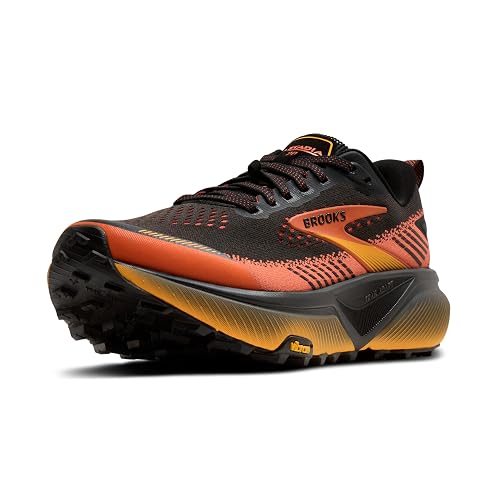
Brooks Men's Cascadia 20 Trail Running Shoe
The Brooks Women’s Cascadia 18 Mountain Trail Running Shoe is the previous women’s generation. Owners who find the older fit more comfortable, or who want to see whether the 19 is a meaningful upgrade, may consider it:

Brooks Women’s Cascadia 18 Mountain Trail Running Shoe
For more options across the range, see Brooks Cascadia 19 Trail Running Shoes Women's: 5 Best Picks Compared (2026) and 4 Best Brooks Cascadia Women's Trail Running Shoes for Every Trail (2026). If you are unsure whether a trail model is right for your routes at all, Trail Running Shoes vs Running Shoes (2026): Which Is Better for Your Runs? explains the differences clearly.
FAQ
Are Brooks Cascadia trail running shoes good for beginners?
Yes, they are often recommended as a versatile starting point. Their moderate cushioning and stable fit suit new trail runners, though beginners should still build mileage gradually and pay attention to how their feet and ankles respond.
Do Cascadia shoes run true to size?
Most owners report a fit close to standard sizing, but many suggest a half size up if you run long downhills. Check the brand’s current size chart, as fit can vary slightly by generation.
Are the Cascadia 19 shoes waterproof?
The standard Cascadia is not a waterproof model. If you need protection from wet conditions, look for a version specifically labeled as waterproof or Gore-Tex, and confirm the details on the product listing.
Can I use Cascadia shoes on roads?
You can, but they are designed for trails. Lugs can feel unstable and wear faster on pavement, so a road shoe is a better choice for regular street running.
How long do trail running shoes like the Cascadia last?
Lifespan depends on terrain, body weight and how often you run. Many runners replace trail shoes after several hundred miles, and owners on abrasive terrain often report earlier wear on the outsole.
Is the Cascadia good for wide feet?
The standard width may feel snug for runners with wide forefeet. If that describes you, check whether a wide-width version is available in your size before ordering.
Should I see a professional before buying trail shoes?
If you have foot pain, a history of injury or specific biomechanical concerns, consult a podiatrist, physical therapist or experienced running shop fitter before choosing a shoe.
Final Verdict
Is the Brooks Cascadia 19 a good trail shoe?
For runners who want a stable, protective and versatile trail shoe for mixed terrain, the Cascadia 19 is a sound choice. Its secure fit and dependable lugs suit regular trail training and moderate-distance races. It is less suited to pavement, very wide feet or ultra distances that call for maximum cushioning. Compare it with the men’s Cascadia 20 and the women’s Cascadia 18 before deciding, and confirm sizing on the listing.
Related reading
- Brooks Cascadia 17 Trail Running Shoes Review: Who Is It For?
- Brooks Waterproof Trail Running Shoes: 4 Best Picks for Wet Trails (2026)
- Brooks Running Shoes Trail: 5 Best Picks for Every Trail (2026)
About Caleb Morgan
Caleb Morgan is part of our editorial team and reviews and edits our running gear & races guides, checking product details against manufacturer specifications and owner feedback.


