 By Emily Parker
Updated November 2026
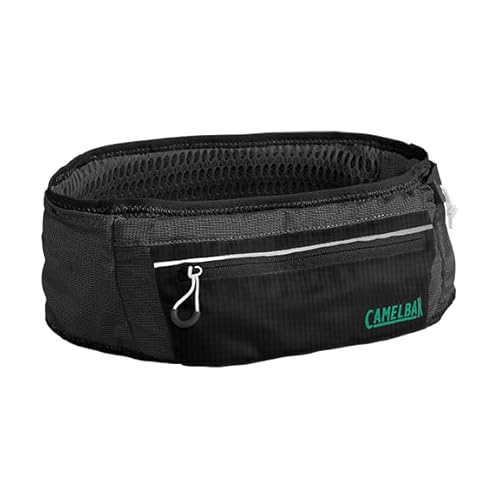
If you want a phone belt pouch running setup that keeps your phone, keys and a few essentials off your arm and out of your hands, the Fitgriff Running Belt is one of the most widely listed options on Amazon. It is built for people who carry a standard smartphone on regular runs and want a simple, low-profile waist pouch without a hydration system or a lot of extra storage. It suits casual runners, walkers, commuters who jog to catch a bus, and anyone who has tried an armband and found it uncomfortable. It is a weaker fit for trail runners who need a lot of gear, for people with very large phones or phone cases, and for anyone who expects a pouch to stay perfectly still during intense intervals.

Fitgriff® Running Belt for Men & Women – Secure Jogging Pouch for Phone, Keys & Essentials – For All Cell Phones
Product Overview
The Fitgriff Running Belt is a waist-worn pouch sold under the Fitgriff brand, marketed as a secure jogging pouch for phones, keys and small essentials. The listing states that it is designed to fit all cell phones, which is a broad claim, so it is worth checking your own device dimensions before buying. Like most belts in this category, it uses an adjustable strap that wraps around the waist and a main pocket that sits at the back or side of the hip, depending on how you wear it.
Waist pouches like this have a long history in running, cycling and hiking, and they remain popular because they put weight close to the body’s center of mass. That placement generally causes less bounce than a phone in a pocket or a cross-body strap. If you are new to this type of gear, our guide What Is a Running Belt Used For? Uses, Types and Tips (2026) explains the main categories and when each one makes sense.
The Fitgriff model sits in the middle of the market. It is not a race-day specialist with hydration bottles and gel loops, and it is not a bare-bones clip-on. Owners who buy it tend to be looking for a dependable, unfussy option for everyday runs rather than a highly specialized tool.
Key Features & Specifications
The table below lists only the points that the product name and general category confirm. Where the manufacturer’s exact dimensions or materials are not clear from the listing, we have left them out rather than guess.
| Feature | Details |
|---|---|
| Product type | Running belt / waist pouch |
| Intended use | Running, jogging, walking |
| Main carry items | Cell phone, keys, small essentials |
| Phone compatibility | Listed as fitting all cell phones (verify your model’s size) |
| Closure style | Adjustable waist strap |
| Carry position | Worn at the waist, back or side of hip |
| Target users | Men and women |
Before you buy, measure your phone with its case on. Height, width and thickness matter more than screen size. Manufacturers often list maximum phone dimensions, and a case can add several millimeters that push a phone past the pocket’s limit.
Pros & Cons
Pros
- Simple, lightweight design that does not add much bulk at the waist.
- Keeps phone and keys in one place, which helps reduce bouncing compared with pocket carry.
- Adjustable strap suits a range of waist sizes.
- Unisex design marketed for both men and women.
- Useful for walkers, casual joggers and commuters, not only serious runners.
Cons
Performance Analysis
Performance in a waist pouch depends on three things: how well the strap holds its position, how much the pouch moves against the body, and whether the pocket retains the phone when you run. Based on the product’s design category and common owner feedback patterns for this style of belt, the Fitgriff model is generally considered stable at easy and moderate paces. Owners of similar pouches often report that a snug strap, with the pouch sitting flat against the lower back or hip, reduces movement more than any other adjustment.
At faster paces, most waist pouches show some movement. The usual complaint is not that the belt falls off, but that it bounces slightly and needs a quick tug back into place. Tightening the strap by even a half inch often helps. If you notice rubbing, the cause is usually either a strap that is too loose or a pouch sitting over a sweaty area of clothing. Our article on Sweat Belt While Running: How to Choose and Wear One Without Chafing covers how to avoid that.
Security is another common question. The listing emphasizes a secure fit for phone and keys. In practice, pocket retention depends on the closure, the size of the item and how you wear the belt. Shoving a phone in with the screen facing out and running with the pouch at the side of the hip is a different experience from wearing it at the back with a snug strap. Test it on a short run before you commit to a long route.
Hot weather matters too. A nylon or synthetic pouch against bare skin can trap sweat. Some runners prefer to wear the belt over a shirt or a thin layer to reduce friction and dampness. Phone heat is a separate concern, since a phone in direct sun and a closed pouch can get warm. Remove the phone during long summer runs if the device feels hot to the touch.
Who Should Buy This Product?
This belt makes the most sense for runners and walkers who carry a standard phone and a few keys, and who want to stop carrying things in their hands or pockets. It is a good fit for beginners who have not yet decided whether they need hydration, and for people who run short to moderate distances and want a clean, uncluttered setup.
You should probably skip it if you need to carry a water bottle, several gels, a headlamp or a jacket. You should also look elsewhere if your phone is very large or your case is bulky, or if you run long trail routes where a multi-pocket design is more practical. Some of the alternatives below offer more room.
Buying Guide
Choosing a phone belt pouch running setup comes down to five questions: how much you need to carry, how large your phone is with its case, how you plan to wear it, what kind of running you do and how hot your climate is. Work through those before you compare listings.
- Measure your phone with its case. Compare the dimensions to the pocket’s stated maximum, and leave a small margin.
- Decide how much else you carry. If you only need phone and keys, a single-pocket design is enough. If you need water or snacks, look for a belt with extra compartments or bottle holders.
- Check the strap and closure. Adjustable straps are more versatile. Confirm the range fits your waist.
- Consider the fabric. Breathable materials and sweat-resistant backing reduce chafing in warm weather.
- Match the belt to your running style. For steady miles, a snug waist pouch works well. For trails or races, you may want more storage and better stability.
Several well-known alternatives illustrate the range of options. If you want a slimmer pouch for phone and keys, the Slim Running Belt Fanny Pack for Men Women is a commonly listed choice with a running phone holder design:

Slim Running Belt Fanny Pack for Men Women, Running Phone Holder Runners Pouch Waist Pack for Workout, Money Belt, Running Gear Accessories [Fits ALL Phones]
If you need more pockets for keys, cards and small items, the 3 Pocket Adjustable Running Belt Waist Pack is designed with multiple compartments and a sweat-resistant backing:

3 Pocket Adjustable Running Belt Waist Pack, Fanny Pack For Working Out With Sweat Resistant Backing, Holds All iPhone Models
For a broader comparison of styles and sizes, our roundup 6 Best Running Belts with Water Bottle and Phone Holder (2026): Our Picks is a useful next step, and Slim Running Belt for Phone: 5 Fit Tips and Picks for Every Run (2026) offers more fit guidance.
FAQ
Does the Fitgriff running belt fit all phones?
The listing states that it is designed for all cell phones, but the real question is whether your phone and case fit the pocket. Measure your device with its case on and compare it to the pocket’s stated dimensions before buying. If your phone is near the upper limit, consider a larger option.
Can I wear a phone belt pouch for running every day?
Yes, many runners wear waist pouches on daily runs. Check the strap for wear over time, keep the pouch clean to prevent odor and avoid overloading it, since heavy items can shift the belt during movement.
Is a waist pouch better than an armband for phone carry?
It depends on comfort and fit. Waist pouches keep the phone close to the body’s center and often feel less intrusive than armbands. Armbands can work better for very small runners or for people who prefer the phone visible on the arm.
How tight should a running belt be?
Snug enough that the pouch does not bounce, but not so tight that it digs in or restricts breathing. A good test is to run a few strides and check for movement. Adjust in small increments.
Can I carry a water bottle in this type of belt?
Basic phone belt pouches like this one are not designed for bottles. If you need hydration, look for a belt specifically labeled with bottle holders or a hydration design. Our article Types of Running Hydration Belt: 4 Styles and Who Each Suits explains the options.
How do I prevent chafing from a running belt?
Wear it over a thin layer when possible, keep the strap flat and avoid overtightening. Choose breathable, sweat-resistant materials in warm weather, and check the belt after runs for signs of irritation.
Should I consult a professional about running gear?
For general gear questions, product documentation is a good starting point. If you have an existing injury, back pain or hip issues that could be affected by how a belt sits, consult a physical therapist, sports medicine doctor or qualified running coach before changing your setup.
Final Verdict
Is the Fitgriff Running Belt worth it?
For runners and walkers who need a simple, low-bounce way to carry a phone and keys, the Fitgriff Running Belt is a sensible choice. It is not built for hydration, heavy loads or very large devices, and it will not feel as stable as a premium race-day belt at high speeds. Measure your phone first, adjust the strap carefully and test it on a short run. If your needs are broader, compare it with the alternatives above before deciding.
Before you buy: helpful guides
About Emily Parker
Emily Parker is part of our editorial team and reviews and edits our running gear & races guides, checking product details against manufacturer specifications and owner feedback.