By Caleb Morgan
Updated November 2026
Yes, you can use trail running shoes for road running, and plenty of runners do. The short answer for most people is that a trail shoe works fine on pavement for easy miles, but it is a weaker choice for long, fast or high-mileage road training. If you run mostly on roads and only occasionally hit dirt, a road shoe usually wins. If you split your time fairly evenly, or you want one pair for everything, a trail shoe can be a sensible compromise.
Below, we compare the two categories across the criteria that matter most on asphalt: ride comfort, cushioning, weight, traction, durability, fit, and stability. We also cover how to decide, and answer the questions we hear most often.
Trail Shoes vs Road Shoes: Side-by-Side Comparison
| Criterion | Trail Running Shoes (on roads) | Road Running Shoes |
|---|---|---|
| Ride on pavement | Firmer, more rock-protective platform; can feel stiff at slow speeds | Smoother, more responsive heel-to-toe transition |
| Cushioning feel | Often moderate; some models use firmer foams for stability on uneven ground | Often softer and more varied, from max cushion to minimal |
| Weight | Frequently heavier because of lugs, rock plates and reinforced uppers | Generally lighter for the same level of cushioning |
| Traction | Deep lugs that can feel grabby or noisy on hard surfaces | Flat, low-profile outsole designed for pavement |
| Durability on asphalt | Tough rubber outsoles often last well on roads | Outsoles are thinner and tuned for road wear patterns |
| Fit and upper | Snug, secure, sometimes stiffer uppers | Breathable, flexible uppers with a range of width options |
| Stability and support | Usually good lateral stability on uneven ground | Varies widely; many models offer neutral or stability options |
Ride Comfort on Pavement: Winner: Road Running Shoes
Ride is where trail shoes show their biggest drawback on roads. Most trail shoes have a more rigid midsole and a rock plate designed to protect your foot from sharp objects. That protection is valuable on rocky singletrack, but on smooth asphalt the platform can feel firm and a little clunky, especially at faster paces. Runners often describe the transition as less fluid than a road shoe, with less of a rolling feel from heel to toe.
Road shoes are built around that rolling motion. Their midsoles are generally tuned for a smooth, forward push-off, which is why they feel more natural for tempo runs, intervals and race efforts. If you notice that your trail shoes feel harsh after a few miles of pavement, that is the design working as intended, but it is also a sign that a road shoe will feel better on that surface.
Winner for ride comfort on roads: road running shoes.
Cushioning and Impact Feel: Winner: Road Running Shoes
Cushioning is a matter of personal preference, but the category tendencies are clear. Road shoes span everything from highly cushioned daily trainers to lightweight racers, so you can match the foam to your mileage and running style. Trail shoes typically offer moderate cushioning and firmer foams, because the goal is stability and ground feel on uneven terrain rather than maximum softness.
That firmer setup can be a drawback on long road runs. Runners who log high weekly mileage often report more lower-leg fatigue in trail shoes on pavement than in a cushioned road shoe, though individual responses vary. If you are building volume, pay attention to how your calves and shins feel over several weeks.
For a broader look at how these categories differ in build, see Trail Running Shoes vs Running Shoes (2026): Which Is Better for Your Runs? and Road vs Trail Running Shoes.
Winner for cushioning on roads: road running shoes.
Weight and Speed: Winner: Road Running Shoes
Weight matters more the faster you run. Trail shoes often carry extra grams in the outsole lugs, the rock plate and the reinforced upper. Manufacturers typically list weight per shoe in US men’s size 9 or similar, and trail models in that range are frequently heavier than comparable road models. The difference may be modest per shoe, but across thousands of foot strikes it adds up, particularly in tempo sessions and races.
If your goal is easy, slow miles, the weight penalty matters less. For speed work, a road shoe is the better tool.
Winner for weight and speed on roads: road running shoes.
Traction on Hard Surfaces: Winner: Road Running Shoes
Trail outsoles are designed to bite into mud, loose gravel and roots. On pavement, that same aggressive tread has no job to do. Some runners find the lugs make a slapping or grinding noise on concrete, and the raised blocks can feel unstable on flat, hard ground during fast turns. Traction on dry asphalt is generally good, but the lugs are not optimized for it.
Wet painted lines, metal manhole covers and wet leaves can be slippery in either category, so use caution regardless of shoe type. Road shoes with flat, low-profile rubber tend to give a more predictable contact patch on urban surfaces.
Winner for traction on roads: road running shoes.
Durability on Asphalt: Winner: Trail Running Shoes
This is where trail shoes can surprise you. Their outsoles are usually made from thicker, more abrasion-resistant rubber because they must survive rock and dirt. Owners often report that trail shoes last longer than road shoes when used mostly on asphalt, particularly on the forefoot and heel. Road shoes, by contrast, can show wear faster if they are your primary surface on rough or gritty roads.
Durability is not the same as performance, though. A tough outsole does not make a shoe better for road running. If you are on a budget and mostly run pavement, a trail shoe’s longevity can make it a practical choice. Just keep in mind that the ride trade-offs still apply.
Winner for durability on roads: trail running shoes.
Fit, Upper and Comfort: Winner: Road Running Shoes (Slight Edge)
Trail uppers are built to lock your foot in place and shed debris. They often feature tighter, more structured mesh with protective overlays. That security is helpful on technical ground, but many runners find these uppers less breathable and less forgiving on long road runs, where feet swell and heat builds up. Road uppers tend to be softer and more flexible, and many brands offer multiple widths, which helps if you need extra room in the toe box.
If you already own trail shoes that fit well, you may not notice a problem. But if your feet get hot or sore after a few road miles, the upper is a likely culprit. For guidance on width, see Trail Running Shoes Wide: A Practical Guide (2026).
Winner for fit and upper comfort on roads: road running shoes, by a slight margin.
Stability and Support: Winner: Depends on Your Gait
Many trail shoes offer good lateral stability, which helps on uneven ground and can feel secure on road turns too. Some trail models are built on neutral platforms, while others add structure to limit overpronation. Road shoes cover the full range of support levels, including neutral, stability and motion control. The right choice depends on your gait and any history of injury, and a specialty running store or a physical therapist can help you assess your needs.
If you have a known gait issue or recurring pain, consult a professional before deciding. Shoes alone rarely fix biomechanical problems, but the wrong shoe can make them worse.
Winner for stability on roads: depends on your gait and the specific models you compare.
Which Should You Choose?
- Choose road running shoes if most of your running is on pavement, you do tempo or interval work, you race on roads, or you want the smoothest ride for long runs.
- Choose trail running shoes for road running if you run mostly on pavement but occasionally hit dirt, you want one pair for easy and mixed runs, or you prioritize outsole durability on rough urban surfaces.
- Consider a trail shoe with a smoother platform if you like the security of a trail upper but want a more road-friendly ride. Compare models in the store and on a short run before committing.
- Use a road shoe for speed and a trail shoe for variety if you can afford two pairs and run both surfaces regularly. Rotating shoes can also help distribute load.
- Get fitted first if you have a history of foot, knee or hip pain. A running specialist can recommend a category and a model that matches your mechanics.
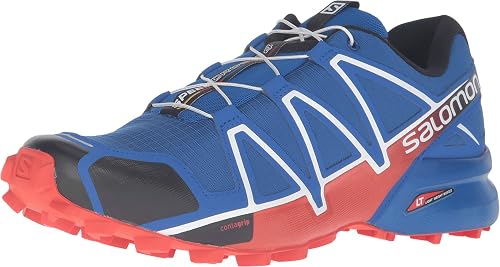
For models that work well for mixed surfaces, you can browse a range of options, such as the View on Amazon for aggressive trail traction, the View on Amazon as a popular road daily trainer, and the View on Amazon for a cushioned trail option that many runners also use on roads. Check fit and return policies before you buy.
If you are exploring more specific trail options, Top 7 Minimal Trail Running Shoes for Natural Feel on Dirt Paths and Salomon Trail Running Shoes: How to Choose the Right Pair in 7 Steps are useful next reads.
FAQ
Can you use trail running shoes for road running every day?
You can, but most runners find them less comfortable for high daily mileage on pavement. If you run every day on roads, a road shoe or a cushioned daily trainer will usually feel better and reduce the risk of lower-leg fatigue. Rotate shoes if you can.
Will trail running shoes damage my feet on pavement?
Trail shoes are not inherently harmful on pavement. The main issues are firmer ride, heavier weight and sometimes less cushioning, which can increase fatigue over long distances. Pay attention to how your legs feel over several weeks, and consult a physical therapist or sports medicine professional if you develop persistent pain.
Can I use trail running shoes on the road for races?
Some runners do, especially for trail-adjacent races or mixed-surface events. For fast road races, a road shoe is usually the better choice because of its lighter weight and more responsive ride. Consider how much of the course is pavement before deciding.
How long do trail running shoes last on roads?
Outsole durability on asphalt is often better than in road shoes, but the midsole breaks down with miles regardless of surface. Manufacturers and many coaches suggest replacing running shoes every 300 to 500 miles, depending on the shoe, your body weight and your running style. Track your mileage and watch for midsole creasing or loss of cushioning.
Are trail running shoes good for road running if I have wide feet?
Some trail models come in wide sizes, and a wider fit can help on long road runs. Check the width options before buying, and try the shoe on in the afternoon when feet are slightly swollen. For more on this, see Trail Running Shoes Wide: A Practical Guide (2026).
Conclusion
So, can you use trail running shoes for road running? Yes. They are a workable choice for easy miles, mixed-surface routes and runners who want one pair for variety. But for most road-focused training and racing, a road shoe offers a smoother ride, lighter weight and better traction on pavement. Decide based on your surface split, your weekly mileage and how your feet respond after a few weeks. If you are unsure, try both on a short run, and if pain persists, see a professional who can assess your gait.
About Caleb Morgan
Caleb Morgan is part of our editorial team and reviews and edits our running gear & races guides, checking product details against manufacturer specifications and owner feedback.