By Caleb Morgan
Updated November 2026
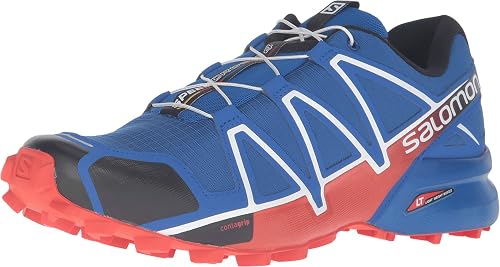
Merrell Nova 3 trail running shoes are a cushioned, all-around trail option aimed at runners who want comfort on mixed terrain without a heavy, stiff build. This guide walks you through what the Nova 3 is designed for, how to check fit before you commit, how to judge whether its traction matches your routes, and how to decide if it belongs in your rotation. By the end, you should know whether this shoe fits your running style and your trails.
What the Merrell Nova 3 Is Designed to Do
Merrell positions the Nova line as a versatile trail shoe for runners who spend time on packed dirt, gravel, and moderately technical singletrack. The Nova 3 is generally described by the brand as a cushioned daily trainer for trails rather than a race-focused or highly aggressive mountain shoe. That positioning matters because it sets expectations: you are buying comfort and stability for mileage, not maximum sharpness on loose rock.
Shopping for one? See our guide: 7 Best Running Shoes for Trail Running: Our Picks Compared.
Before buying, check the official Merrell product page for the current stack height, drop, and weight for your size, since these specs can change between colorways and production runs. Manufacturers typically list a moderate drop, which suits most runners transitioning from road shoes. If you have a history of calf or Achilles issues, compare the listed drop against your current shoe before making a switch.
Step-by-Step: Deciding Whether the Nova 3 Fits Your Runs
Step 1: Map Your Typical Terrain
Write down where you run most often. Be specific. Crushed gravel rail trails, forest paths with roots, rocky desert washes, and muddy wet singletrack each demand different things from a shoe. The Nova 3 is most naturally suited to groomed or moderately variable trails. If most of your routes involve loose scree, steep technical descents, or deep mud, a more aggressive outsole may serve you better.
Step 2: Check the Fit Measurements
Trail shoes should generally be bought with a little more room than your dress or casual shoe size, because feet swell during longer runs and downhill running pushes the toes forward. Measure your foot length and width at the end of the day, when your feet are at their largest. Then compare those numbers against the brand’s size chart. Pay attention to width options, since Merrell typically offers standard and wider versions across many models.
Step 3: Test the Heel, Midfoot, and Toebox
When you try them on, stand up and rock forward onto the balls of your feet. Your heel should stay locked without slipping more than a few millimeters. Check the midfoot for pressure points and the toebox for enough room that your toes can spread without touching the front. If you can, walk or jog on a hard surface in the store for a few minutes, paying attention to any rubbing at the heel counter or the top of the foot.
Step 4: Evaluate Traction Against Your Surfaces
Look at the outsole lug pattern and depth. Moderate lugs generally work well on packed trails and mixed surfaces, giving decent grip without excessive rolling on pavement transitions. Flip the shoe over and inspect the rubber compound and lug spacing. Wider spacing tends to shed mud better, while tighter spacing usually feels more stable on hard-packed dirt. If you run in wet conditions often, look for reviews from runners in similar climates, and remember that owners’ experiences vary with conditions.
Step 5: Consider Cushioning and Ride Feel
The Nova 3 sits in the cushioned category, so it should feel softer underfoot than a minimal or racing shoe. This is helpful for longer runs and recovery days, where you want less jarring on your joints. If you prefer a firm, responsive ground feel, you may find the Nova 3 too soft or too muted. Take a few strides and note how the midsole compresses when you land.
Key Factors Compared
| Factor | What to Look For | Who It Suits Best |
|---|---|---|
| Cushioning | Soft, forgiving midsole | Long runs, heavier runners, recovery days |
| Traction | Moderate lugs, durable rubber | Packed dirt, gravel, mixed trails |
| Fit width | Standard and wide options | Runners with wider forefeet |
| Drop | Moderate heel-to-toe offset | Runners moving from road shoes |
| Terrain fit | Groomed to moderately technical | Varied trail routes, not extreme alpine |
Checklist Before You Buy
- Measure both feet and use the larger measurement
- Confirm the width option you need on the brand’s size chart
- Test the shoes at the end of the day or after a short walk
- Check heel lock and toebox room with a rocking motion
- Note the drop and compare it with your current shoe
- Match the outsole pattern to your most frequent surfaces
- Plan a short break-in period of a few easy runs before a long effort
Common Mistakes
The most frequent error is buying trail shoes at the same size as your road shoes without testing the toebox. Trail runs often include descents, and a snug toebox can cause black toenails or bruising. Another mistake is judging traction indoors on a flat carpet. Test the shoe on a surface that resembles your trails if possible. Runners also sometimes skip the break-in period and head straight into a long run, which can lead to hot spots or blisters. Finally, do not rely on a single review. Owner reports vary widely, and your foot shape, gait, and local terrain will shape your experience more than any generalized opinion.
Tips for Getting the Most From the Nova 3
Rotate your shoes if you can. Alternating between two or more pairs gives the midsole time to recover between runs. Clean mud off the outsole after muddy runs so the lugs keep their grip. Use a lacing method that locks the heel if you notice slipping, such as a heel lock or runner’s loop. And track your mileage: many runners plan to replace trail shoes after a range of several hundred miles, though the exact lifespan depends on terrain, body weight, and gait. If you have foot pain, joint concerns, or an injury, consult a physical therapist, podiatrist, or sports medicine professional before changing your footwear.
Where the Nova 3 Fits Among Other Trail Shoes
If you are still deciding between categories, it helps to compare options. Our guide to Trail Running Shoes vs Running Shoes (2026): Which Is Better for Your Runs? explains when a trail-specific shoe is worth it. For runners who want more cushioning on rougher ground, Trail Running Shoes Wide: A Practical Guide (2026) covers width considerations that matter for many runners. Those with higher-drop preferences or a history of calf strain may find it useful to read Trail Running Shoes 0 Drop: How to Choose the Right Pair for Trails before deciding on a lower-drop design. If you are weighing a more aggressive option for technical routes, Salomon Speedcross 6 Trail Running Shoes Review: Is It Worth It? offers a useful contrast. And for a broader look at how traction and cushioning trade off, see Road vs Trail Running Shoes.
Recommended Gear
- Merrell Nova 3 trail running shoes are the core product discussed here, and their cushioned build suits mixed trails and longer training days. View on Amazon
- Running socks with moderate cushioning help reduce friction and hot spots on longer trail sessions, especially on the first few runs in a new shoe. View on Amazon
- Lace locks or a heel-lock lacing kit can help secure the heel and reduce slipping on downhills, which is useful if you find the fit slightly loose at the back. View on Amazon
FAQ
Are the Merrell Nova 3 good for beginners to trail running?
Many runners new to trails find cushioned, moderately structured shoes easier to adapt to than aggressive or minimal designs. The Nova 3’s softer build and moderate drop can feel forgiving on uneven ground. Beginners should still start with shorter, easier routes to build the stability and ankle control trails demand.
Do Merrell Nova 3 shoes run true to size?
Sizing varies by person and by production run. In general, trail shoes are often bought with a bit of extra room in the toebox. Measure your feet and check Merrell’s size chart rather than relying only on your usual road size.
How long do trail running shoes like the Nova 3 last?
Lifespan depends on terrain, body weight, gait, and how often you run. Many runners plan to replace trail shoes after several hundred miles, but worn midsoles, flattened lugs, or new aches are better guides than a fixed number. Check the outsole and midsole for compression and wear.
Are the Nova 3 suitable for wet or muddy trails?
Traction on wet surfaces depends on the outsole compound and lug spacing, and owners’ experiences vary with conditions. The Nova 3 generally handles mixed and damp trails reasonably well, but very deep mud or slick rock may call for a more aggressive outsole. Clean the lugs after muddy runs to maintain grip.
Should I size up in the Nova 3?
Many trail runners choose a half size up from their road shoe to accommodate foot swelling and downhill toe pressure. Test the shoe at the end of the day and check for a secure heel and enough toebox room before deciding.
Can I use the Nova 3 on the road?
Trail shoes can be used on pavement, but the lugs and cushioning are tuned for off-road surfaces. Some runners use them for short road transitions on mixed routes. For regular road mileage, a dedicated road shoe is usually more comfortable and efficient.
What if the Nova 3 causes foot or joint pain?
Persistent pain is a signal to stop and get evaluated. Consult a physical therapist, podiatrist, or sports medicine professional, especially if you have a history of injury. A professional can assess your gait and footwear needs more accurately than any general guide.
Conclusion
The Merrell Nova 3 suits runners who want cushioned comfort for mixed, groomed, or moderately variable trails. Check your size carefully, test the heel lock and toebox, and match the outsole to the surfaces you run most. If your routes are highly technical or you prefer a firm, minimal feel, compare it against more specialized options before you buy.
Ready to choose one?
About Caleb Morgan
Caleb Morgan is part of our editorial team and reviews and edits our running gear & races guides, checking product details against manufacturer specifications and owner feedback.