By Caleb Morgan
Updated November 2026
Overpronation means your foot rolls inward more than average after landing, and on uneven, sloped, or muddy trails that motion can add strain to your knees, shins, and arches. Trail running shoes for overpronators need a firm medial post or stability structure, a supportive heel counter, and enough outsole grip to keep you steady on loose ground. The picks below were chosen by comparing manufacturer specifications, brand reputation for stability footwear, and the patterns owners commonly describe in their feedback. Nothing here reflects personal testing.
Our top picks at a glance
- 1
 TOP CHOICEBest overallASICS Men's Trabuco MAX 5 Trail Running ShoesView on Amazon
- 2
 TOP CHOICEBest for women seeking guided supportBrooks Women's Caldera 8 Ultra Trail Running ShoeView on Amazon
- 3
 TOP CHOICEBest for ultra-long distancesFuga EX330 Men's Trail Running Shoes, Ultra-Long Distance Running SneakersView on Amazon
- 4
 Best for wide-foot runnersALTRA Men's Olympus 6 Trail Running ShoeView on Amazon
- 5
 Best budget pickSaucony Men's Excursion TR16 Trail Running ShoeView on Amazon
- 6
 Best for women on rugged terrainBrooks Women's Ghost Trail Running ShoeView on Amazon
Our Top Picks
Quick Comparison
| Product | Best for | Key feature |
|---|---|---|
| ASICS Men’s Trabuco MAX 5 Trail Running Shoes | Overall stability on mixed trails | Supportive structure with cushioned midsole |
| Brooks Women’s Caldera 8 Ultra Trail Running Shoe | Women who want guided support | Stability-oriented design for longer efforts |
| Fuga EX330 Men’s Trail Running Shoes | Ultra-long distance runs | Cushioned, durable build for extended mileage |
| ALTRA Men’s Olympus 6 Trail Running Shoe | Wide-foot runners | Roomy toe box and wide platform |
| Saucony Men’s Excursion TR16 Trail Running Shoe | Budget-conscious runners | Accessible stability for everyday trail use |
| Brooks Women’s Ghost Trail Running Shoe | Women on rugged terrain | Smooth ride with trail-ready outsole |
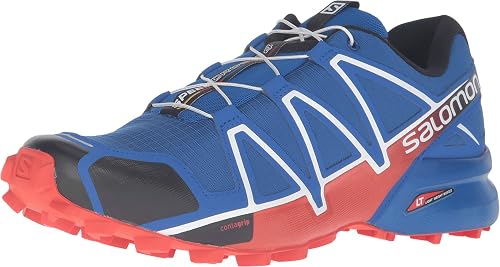
ASICS Men’s Trabuco MAX 5 Trail Running Shoes
ASICS Men's Trabuco MAX 5 Trail Running Shoes
Best for: Overall stability on mixed trails
This is a well-regarded choice for men who overpronate and run a range of terrain, from packed dirt to rocky singletrack. ASICS is widely associated with stability footwear, which makes it a logical starting point.
Key specs
- Men’s trail running model from ASICS
- Designed for stability on varied trail surfaces
Pros
- Brand known for stability-focused construction
- Suitable for mixed terrain and moderate distances
- Broad availability in standard sizing
Cons
- Stiffer feel may take a few runs to adjust to
- May feel heavy for runners who prefer a minimal shoe
Bottom line: A strong first pick for men who want dependable stability on everyday trails.
Brooks Women’s Caldera 8 Ultra Trail Running Shoe
Brooks Women’s Caldera 8 Ultra Trail Running Shoe
Best for: Women who want guided support
Brooks builds much of its line around guided stability, so this model suits women who overpronate and plan longer or more technical outings.
Key specs
- Women’s ultra trail model from Brooks
- Built for longer trail efforts
Pros
- Brooks has a long track record in guided stability
- Designed for extended trail mileage
- Women-specific fit and last
Cons
- Can feel firm for runners new to stability shoes
- Heavier than lightweight racing trail shoes
Bottom line: Women who run long trail distances and need steady support should put this near the top of their list.
Fuga EX330 Men’s Trail Running Shoes, Ultra-Long Distance Running Sneakers
Fuga EX330 Men's Trail Running Shoes, Ultra-Long Distance Running Sneakers
Best for: Ultra-long distance runs
This model is positioned for ultra-distance efforts, where fatigue makes overpronation more noticeable. It suits men who run many hours on trail and want a durable, cushioned platform.
Key specs
- Men’s ultra-long distance trail model
- Designed for extended-duration running
Pros
- Built specifically for long-distance durability
- Cushioning suited to extended efforts
- Good match for runners logging high weekly mileage
Cons
- Limited independent information on fit compared with major brands
- Bulkier profile may not suit shorter, faster runs
Bottom line: A good fit for men training for ultras who want a cushioned, durable shoe with stability in mind.
ALTRA Men’s Olympus 6 Trail Running Shoe
ALTRA Men's Olympus 6 Trail Running Shoe
Best for: Wide-foot runners
ALTRA is known for its roomy toe box and wide platform, which can help runners whose feet need more space while managing inward roll.
Key specs
- Men’s trail model from ALTRA
- Wide, roomy toe box design
Pros
- Generous forefoot room for wider feet
- Wide platform supports a stable landing
- Strong trail-oriented reputation
Cons
- Zero-drop geometry may require an adjustment period
- Owners sometimes report it feels less structured than traditional stability shoes
Bottom line: Best for wide-footed men who want room and a stable base, especially if they can adapt to a flat heel-to-toe drop.
Saucony Men’s Excursion TR16 Trail Running Shoe
Saucony Men's Excursion TR16 Trail Running Shoe
Best for: Budget-conscious runners
Saucony offers a lineup spanning several price tiers, and the Excursion line is aimed at runners who want reliable trail performance without a premium build.
Key specs
- Men’s trail running model from Saucony
- Designed for everyday trail use
Pros
- Accessible option within the Saucony trail range
- Suitable for regular training runs
- Straightforward, dependable construction
Cons
- Stability features are more modest than dedicated stability models
- May not hold up as well on very technical descents
Bottom line: A sensible choice for runners with mild overpronation who want a dependable trail shoe without overspending.
Brooks Women’s Ghost Trail Running Shoe
Brooks Women's Ghost Trail Running Shoe
Best for: Women on rugged terrain
The Ghost line is known for a smooth, cushioned ride. This trail version suits women who run rocky or uneven paths and want a softer landing with reasonable support.
Key specs
- Women’s trail model from Brooks
- Built for rugged, uneven terrain
Pros
- Smooth, cushioned ride from a well-known road line
- Women-specific fit
- Good traction for rocky surfaces
Cons
- Support may be lighter than dedicated stability trail shoes
- Owners with severe overpronation may want firmer structure
Bottom line: Good for women with moderate overpronation who prioritize cushioning on rough trails.
Buying Guide
Stability Structure and Medial Support
Look for a firmer medial side, often called a posting or guidance system, that resists inward collapse of the arch. Stability shoes differ from neutral shoes by adding density on the inner midsole, and this is the feature most relevant to overpronation.
Good picks for this: ASICS Men’s Trabuco MAX 5 Trail Running Shoes, Brooks Women’s Caldera 8 Ultra Trail Running Shoe
Heel Counter Firmness
A rigid heel counter keeps the rear of the foot from rolling inward on uneven ground. Press the heel cup with your thumb before buying. If it folds easily, it may not control motion well on technical trails.
Good picks for this: Brooks Women’s Caldera 8 Ultra Trail Running Shoe, ASICS Men’s Trabuco MAX 5 Trail Running Shoes
Fit and Width
Overpronators often have flatter arches, and a shoe that is too narrow can intensify inward roll. Measure both feet at the end of the day, and check whether the shoe offers wide or roomy options. Leave about a thumb’s width between the longest toe and the front of the shoe.
Good picks for this: ALTRA Men’s Olympus 6 Trail Running Shoe, Saucony Men’s Excursion TR16 Trail Running Shoe
Drop and Heel-to-Toe Geometry
Drop is the height difference between heel and forefoot. Higher-drop shoes can reduce strain on the calves for some runners, while zero-drop designs change loading patterns. If you are transitioning, change drop gradually over several weeks, and consult a physical therapist or sports medicine professional if you have a history of injury.
Good picks for this: ALTRA Men’s Olympus 6 Trail Running Shoe, Brooks Women’s Ghost Trail Running Shoe
Outsole Traction
Lugs of 3 to 5 millimeters are common for mixed trails, while deeper lugs help in mud. Check whether the rubber compound is designed for wet and loose surfaces, since good traction helps you stay balanced and reduces lateral slip that can worsen inward roll.
Good picks for this: Brooks Women’s Ghost Trail Running Shoe, Fuga EX330 Men’s Trail Running Shoes, Ultra-Long Distance Running Sneakers
Cushioning and Mileage
Higher-mileage runners benefit from more midsole foam, which helps reduce fatigue that can make form break down. Ultra-distance shoes typically trade some agility for durability and comfort over long hours.
Good picks for this: Fuga EX330 Men’s Trail Running Shoes, Ultra-Long Distance Running Sneakers, Brooks Women’s Caldera 8 Ultra Trail Running Shoe
Durability and Care
Stability components can wear out before the outsole does. Most running shoes last roughly 300 to 500 miles, though overpronation and rough terrain can shorten that. Rinse mud off after runs, let shoes air-dry away from direct heat, and replace them when support feels noticeably flatter.
Good picks for this: ASICS Men’s Trabuco MAX 5 Trail Running Shoes, Saucony Men’s Excursion TR16 Trail Running Shoe
FAQ
How do I know if I overpronate?
A common check is a wet-foot test: step onto paper and look at the imprint. A very flat, full footprint suggests low arches and possible overpronation. A gait analysis at a specialty running store can give more detail, and a podiatrist can assess you if you have pain.
Do trail running shoes for overpronators need to be heavier?
Stability features add some weight, but many current models balance support with reasonable weight. Choose the lightest shoe that still gives you the structure you need.
Can I use road stability shoes on trails?
Road stability shoes often lack lugs and protective features, so they can slip on loose ground. Dedicated trail models are generally a safer choice for uneven surfaces.
How long should I break in a new pair?
Many runners ease in over two to three weeks, starting with short runs. If you notice persistent joint pain, reduce mileage and consult a sports medicine professional.
Should I size up for trail running?
Many runners go about a half size up to allow for foot swell and downhill toe pressure. Check the manufacturer’s sizing guidance and try shoes on at the end of the day.
Are insoles a substitute for stability shoes?
Custom or over-the-counter insoles can add arch support, but they work best inside a shoe with a stable base. If you have chronic pain, speak with a podiatrist before relying on inserts alone.
Conclusion
For most overpronators, the ASICS Men’s Trabuco MAX 5 offers a dependable all-round stability option, while the Brooks Women’s Caldera 8 Ultra suits women who want guided support on longer efforts. Ultra runners should look at the Fuga EX330, wide-footed men will find room in the ALTRA Olympus 6, budget-minded runners can consider the Saucony Excursion TR16, and women on rugged terrain may prefer the Brooks Women’s Ghost Trail. Match the pick to your foot shape, mileage, and terrain, and get fitted when possible.
Sources
- Research summaries on lower-limb biomechanics and running injury (nih.gov)
- General guidance on foot pain, overpronation, and when to see a clinician (mayoclinic.org)
- Information from the American Podiatric Medical Association on foot health and footwear
Related reading
- Winter Running Trail Shoes: 6 Best Picks for Cold, Wet Trails (2026)
- Trail Running Shoes vs Running Shoes (2026): Which Is Better for Your Runs?
- Trail Running Shoes Zero Drop: 7 Things to Know Before You Buy
- Trail Running Shoes Wide: A Practical Guide (2026)
- Trail Running Shoes Hoka One One: 6 Things to Check Before You Buy
About Caleb Morgan
Caleb Morgan is part of our editorial team and reviews and edits our running gear & races guides, checking product details against manufacturer specifications and owner feedback.