By Caleb Morgan
Updated November 2026
Snow trail running shoes need to do three things at once: grip packed snow and ice, keep your feet dry when slush soaks through, and fit well enough that your foot does not slide around on uneven winter ground. This guide covers seven options that fit those needs, from traction-focused trail shoes to minimalist winter boots and add-on ice cleats. The selection is based on published specifications, brand reputation and patterns that owners commonly report, not on our own testing.
Our top picks at a glance
- 1
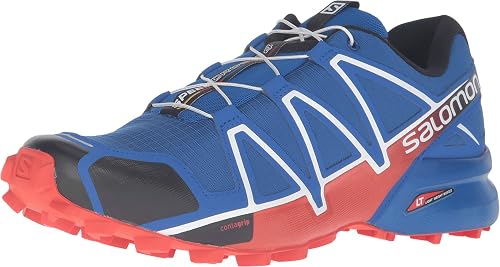
 TOP CHOICEBest overallSalomon Men's Speedcross GTX Waterproof Trail Running ShoesView on Amazon
- 2
 TOP CHOICEBest for women who want a waterproof trail shoeSaucony Women's Excursion Tr15 Trail Running ShoesView on Amazon
- 3
 TOP CHOICEBest for wide-toe-box comfortHanani Womens Mens Barefoot Boots Shoes Minimalist Winter Snow Boots WView on Amazon
- 4
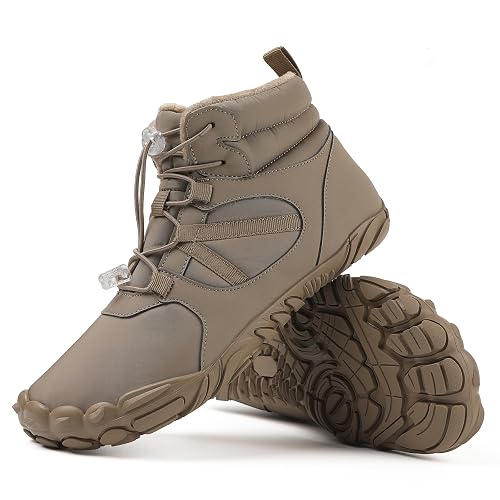 Best for natural foot movementMens Womens Barefoot Minimalist Shoes Winter Boots Zero Drop Sole TraiView on Amazon
- 5
 Best for cushioned long runsBrooks Women's Caldera 8 Ultra Trail Running ShoeView on Amazon
- 6
 Best for road-to-trail mixed routesBrooks Men's Ghost Trail Running ShoeView on Amazon
- 7
 Best budget pick for icy patchesICETRAX V3 Tungsten Crampons, Ice Cleats for Shoes and Boots – Ice GriView on Amazon
Our Top Picks
The selection criteria we weighted most heavily were outsole lug depth and compound for snow bite, waterproof or water-resistant uppers, insulation or sock-liner warmth, fit security on uneven terrain, and how well the model suits both snow and dry trail days. Products are ordered by how closely they match the most common snow running needs.
Quick Comparison
| Product | Best for | Key feature |
|---|---|---|
| Salomon Men’s Speedcross GTX Waterproof Trail Running Shoes | Deep snow and mud | Aggressive lugs and GORE-TEX membrane |
| Saucony Women’s Excursion Tr15 Trail Running Shoes | Women running in mixed snow and trail | Protective trail upper and grippy outsole |
| Hanani Womens Mens Barefoot Boots Shoes Minimalist Winter Snow Boots | Wide-toe-box comfort in cold weather | Zero drop with warm lining |
| Mens Womens Barefoot Minimalist Shoes Winter Boots Zero Drop Sole | Natural foot movement | Flexible sole and wide toe box |
| Brooks Women’s Caldera 8 Ultra Trail Running Shoe | Cushioned longer efforts | Rock-protective, cushioned midsole |
| Brooks Men’s Ghost Trail Running Shoe | Road-to-trail routes | Smooth, versatile ride with trail grip |
| ICETRAX V3 Tungsten Crampons | Icy patches on any shoe | Tungsten studs that slip on over shoes |
Salomon Men’s Speedcross GTX Waterproof Trail Running Shoes
Salomon Men's Speedcross GTX Waterproof Trail Running Shoes
Best for: Deep snow, slush and muddy winter trails
This is the pick for runners who regularly face deep, soft snow or wet, technical ground. Its deep, widely spaced lugs are designed to bite into loose surfaces, and the waterproof membrane helps keep feet dry when conditions turn sloppy.
Key specs
- Waterproof GORE-TEX membrane
- Deep, aggressive lug outsole
- Designed for trail running
Pros
- Strong grip in loose, deep snow
- Waterproof upper helps in slush
- Secure, locked-in fit on uneven ground
Cons
- Can feel stiff and heavy compared with lightweight trail shoes
- Deep lugs may be more than needed on packed or icy trails
Bottom line: Pick this if your snow runs are mostly deep, soft or wet and you want the most aggressive traction in the lineup.
Saucony Women’s Excursion Tr15 Trail Running Shoes
Saucony Women's Excursion Tr15 Trail Running Shoes
Best for: Women who run mixed snow, dirt and packed trail
A solid all-around trail shoe for women who want one pair that handles snow-dusted paths and dry dirt. The outsole is built for traction on varied surfaces, and the upper is designed to shed debris.
Key specs
- Trail-focused outsole with multidirectional lugs
- Protective upper for debris and light moisture
Pros
- Versatile across snow and dry trail
- Grippy on packed snow and mud
- Comfortable fit for daily training
Cons
- Not waterproof enough for prolonged deep slush
- Less aggressive than dedicated deep-snow shoes
Bottom line: A strong choice for women who run a mix of trail conditions and want a single shoe that works most winter days.
Hanani Womens Mens Barefoot Boots Shoes Minimalist Winter Snow Boots Warm Ankle Booties Zero Drop Sole Wide Toe Box Slip on Sneakers
Hanani Womens Mens Barefoot Boots Shoes Minimalist Winter Snow Boots Warm Ankle Booties Zero Drop Sole Wide Toe Box Slip on Sneakers
Best for: Wide-toe-box comfort in cold, snowy conditions
Runners who prefer a wide, natural toe box and zero-drop feel but need warmth for cold snow days will find this style appealing. It is a winter boot-sneaker hybrid rather than a technical trail shoe.
Key specs
- Zero drop sole
- Wide toe box
- Warm lined winter construction
Pros
- Warm, insulated feel for cold conditions
- Wide toe box for natural toe splay
- Easy slip-on design
Cons
- Limited technical grip compared with dedicated trail shoes
- Can feel bulky for faster efforts
Bottom line: Best for casual winter walks and easy snow runs where warmth and toe room matter more than aggressive traction.
Mens Womens Barefoot Minimalist Shoes Winter Boots Zero Drop Sole Trail Running Sneakers Wide Toe Box
Mens Womens Barefoot Minimalist Shoes Winter Boots Zero Drop Sole Trail Running Sneakers Wide Toe Box
Best for: Natural foot movement on cold, mostly packed snow
For runners who want a minimalist, zero-drop feel through winter, this unisex option offers a wide toe box and a flexible sole. It suits firm snow better than deep powder.
Key specs
- Zero drop sole
- Wide toe box
- Winter boot styling with trail running sneaker build
Pros
- Natural, flexible ride
- Room for toe splay in cold-weather footwear
- Works for both men and women
Cons
- Minimal cushioning may not suit long, hard efforts
- Thin sole offers limited protection on icy or rocky snow
Bottom line: A good fit for runners already used to minimalist footwear who want a winter-ready option for firm snow.
Brooks Women’s Caldera 8 Ultra Trail Running Shoe
Brooks Women’s Caldera 8 Ultra Trail Running Shoe
Best for: Cushioned longer runs on snowy or rocky trails
Women who log longer distances and want protection from rocks and frozen ruts underfoot will value the cushioning in this trail model. It is built for stability and comfort over sustained efforts.
Key specs
- Trail-specific outsole
- Cushioned midsole for long runs
Pros
- Good cushioning for longer efforts
- Stable platform on uneven terrain
- Trail outsole handles packed snow
Cons
- Not fully waterproof for deep slush
- Heavier than lightweight racing trail shoes
Bottom line: Ideal for women who want comfort and trail grip for longer winter runs on varied ground.
Brooks Men’s Ghost Trail Running Shoe
Brooks Men's Ghost Trail Running Shoe
Best for: Mixed road and trail routes in cold weather
The Ghost line is known for a smooth, versatile ride, and this trail variant brings that comfort to dirt and snow paths. It suits runners who split time between plowed roads and trails.
Key specs
- Trail outsole for mixed surfaces
- Soft, cushioned ride
Pros
- Smooth transition between road and trail
- Comfortable for daily mileage
- Reliable grip on packed snow
Cons
- Less aggressive lugs than deep-snow specialists
- Not designed for heavy powder
Bottom line: A practical pick for men who run mostly plowed or packed winter routes with some trail mixed in.
ICETRAX V3 Tungsten Crampons, Ice Cleats for Shoes and Boots – Ice Grips for Snow and Ice, Non-Slip Shoe Grippers with Reflective Heel
ICETRAX V3 Tungsten Crampons, Ice Cleats for Shoes and Boots – Ice Grips for Snow and Ice, Non-Slip Shoe Grippers with Reflective Heel
Best for: Adding ice traction to any running shoe
These slip-on ice grips work over your existing shoes and are useful when trails turn glazed. They are a supplement rather than a shoe, so they pair with the other picks here.
Key specs
- Tungsten studs for ice grip
- Slip-on design for shoes and boots
- Reflective heel for visibility
Pros
- Adds traction to nearly any shoe
- Reflective heel helps in low light
- Useful on glazed ice
Cons
- Not ideal for running long distances on bare pavement
- Requires fitting and removing each outing
Bottom line: Worth adding to your kit if you run on icy trails regularly, but it works best alongside a dedicated winter shoe.
Buying Guide
Outsole Lugs and Rubber Compound
Look for deeper, more widely spaced lugs when snow is loose or deep, and a rubber compound that stays flexible in cold temperatures. Shallow lugs can work on packed snow but tend to skid on ice.
Good picks for this: Salomon Men’s Speedcross GTX Waterproof Trail Running Shoes, Brooks Men’s Ghost Trail Running Shoe
Waterproofing and Water Resistance
A waterproof membrane keeps out slush and melting snow, but it can also trap sweat on warmer efforts. Water-resistant uppers offer a middle ground for mixed conditions.
Good picks for this: Salomon Men’s Speedcross GTX Waterproof Trail Running Shoes, Saucony Women’s Excursion Tr15 Trail Running Shoes
Insulation and Warmth
Insulated, lined shoes help on very cold days, but warmth is a tradeoff with breathability. Many runners layer thin wool socks and choose a shoe that is one size up to allow room for thicker socks.
Good picks for this: Hanani Womens Mens Barefoot Boots Shoes Minimalist Winter Snow Boots Warm Ankle Booties Zero Drop Sole Wide Toe Box Slip on Sneakers
Toe Box Width and Foot Shape
Cold, swelling feet and thick socks can make a snug toe box uncomfortable. A wide toe box lets the toes spread and can reduce pressure during long runs. Check your current fit before buying a winter pair.
Good picks for this: Mens Womens Barefoot Minimalist Shoes Winter Boots Zero Drop Sole Trail Running Sneakers Wide Toe Box, Hanani Womens Mens Barefoot Boots Shoes Minimalist Winter Snow Boots Warm Ankle Booties Zero Drop Sole Wide Toe Box Slip on Sneakers
Cushioning and Ride Feel
More cushioning protects against frozen ruts and rocks but adds weight. Minimalist shoes give a natural feel but offer less protection on rough, icy ground. Match the cushioning to your typical distance and surface.
Good picks for this: Brooks Women’s Caldera 8 Ultra Trail Running Shoe, Brooks Men’s Ghost Trail Running Shoe
Traction Add-Ons
For glazed ice, a slip-on traction device can be more effective than a shoe alone. These work best when you remove them before running on bare or dry pavement.
Good picks for this: ICETRAX V3 Tungsten Crampons, Ice Cleats for Shoes and Boots – Ice Grips for Snow and Ice, Non-Slip Shoe Grippers with Reflective Heel
Fit Security and Lacing
Snow and uneven ground increase the risk of heel slip. A secure heel lock and a snug midfoot help the shoe stay put. Try lacing a few eyelets tighter at the top to lock the heel.
Good picks for this: Salomon Men’s Speedcross GTX Waterproof Trail Running Shoes, Saucony Women’s Excursion Tr15 Trail Running Shoes
FAQ
Are trail running shoes good for snow?
Yes, especially models with deep lugs and a grippy rubber compound. For icy patches, traction add-ons can improve grip further.
Should I get waterproof snow trail running shoes?
Waterproof shoes help in slush and wet snow, but they can feel warmer and less breathable. If you run mostly in cold, dry snow, a water-resistant shoe may be enough.
Do I need a larger size for winter running?
Many runners go half a size up to fit thicker socks and allow for foot swelling in cold weather. Test the fit with the socks you plan to wear.
Can I run on ice with regular trail shoes?
Standard trail shoes can slip on ice. Adding slip-on ice grips improves traction, and you should slow your pace and shorten your stride on glazed surfaces.
How do I care for snow trail running shoes?
Remove salt and grit after runs, let shoes air dry away from direct heat, and stuff them with newspaper to absorb moisture. Heat can damage adhesives and membranes.
What should I check before buying winter trail shoes?
Check outsole lug depth, waterproofing, toe box width and how the heel locks in. Try the shoes on with your winter socks and, if possible, walk on an inclined surface.
Are minimalist winter boots suitable for running?
They can be, for firm snow and easy efforts. They offer less protection and traction than dedicated trail shoes, so they suit experienced runners on packed surfaces best.
Conclusion
For deep or wet snow, the Salomon Men’s Speedcross GTX offers the most aggressive grip and waterproofing in this lineup. Women who run mixed snow and trail will find the Saucony Women’s Excursion Tr15 a balanced choice, while the Brooks options suit longer or road-to-trail routines. The minimalist and wide-toe-box winter styles fit runners who prioritize natural foot movement on firm snow, and the ICETRAX grips make a useful addition to any shoe on icy days. Match your pick to your typical snow condition, distance and fit needs.
Sources
- Guidance on cold weather exposure, hypothermia and frostbite risk during outdoor activity (cdc.gov)
- Research summaries on footwear, running biomechanics and injury prevention (nih.gov)
- Position guidance on exercise in cold environments and winter training safety (acsm.org)
Related reading
- Winter Running Trail Shoes: 6 Best Picks for Cold, Wet Trails (2026)
- Trail Running Shoes vs Running Shoes (2026): Which Is Better for Your Runs?
- Trail Running Shoes Zero Drop: 7 Things to Know Before You Buy
- Trail Running Shoes Women Wide: 6 Key Fit Factors for Wide Feet (2026)
- Trail Running Shoes Wide: A Practical Guide (2026)
About Caleb Morgan
Caleb Morgan is part of our editorial team and reviews and edits our running gear & races guides, checking product details against manufacturer specifications and owner feedback.