
 By Caleb Morgan
Updated November 2026
The altra olympus 6 trail running shoes are a zero-drop, wide-toe-box option for runners who want room for their toes on rugged trails. They suit runners who value a natural foot position, need extra forefoot space, or log regular miles on mixed terrain with some rock and root exposure. They are a weaker fit for runners who want a firm, highly stabilizing shoe, anyone who prefers a substantial heel-to-toe drop, or people whose main training surface is road with only occasional trail sections. Read on for specs, trade-offs, and a buying checklist before you decide.

ALTRA Men's Olympus 6 Trail Running Shoe
Product Overview
The ALTRA Men’s Olympus 6 is a trail running shoe in Altra’s Olympus line, a family built around cushioned, durable trail performance. Like other Altra models, it uses a zero-drop platform, meaning the heel and forefoot sit at the same height. Altra’s stated design philosophy is to let the foot splay and move as it would without a raised heel, and that philosophy shapes nearly every choice in this shoe, from the wide forefoot to the spacious toe box.
Because this is a research-based review, the points below rely on the product name, the manufacturer’s general positioning for the Olympus family, and patterns commonly reported by owners. Specific figures such as exact stack height, weight, and lug depth vary by size and by production run, so confirm them on the current listing before buying.
Within the broader trail category, the Olympus 6 sits in the cushioned, all-around daily trainer niche rather than the lightweight racing lane. Runners looking for a fast, minimal shoe for technical racing may find it heavier than they want. Runners looking for a shoe that absorbs pounding on long, rocky descents usually find it a better match. If you are still comparing Altra’s trail lineup more broadly, Top 5 Altra Trail Running Shoes Mens Compared for Every Trail gives a useful side-by-side view of the men’s range.
Key Features & Specifications
The table below lists the characteristics that Altra publishes for this family and that you can verify on the product page. Anything I could not confirm with confidence has been left out rather than estimated.
| Feature | What It Means for You |
|---|---|
| Zero-drop platform | Heel and forefoot sit at equal height, supporting a natural foot position and a more upright stance. |
| Wide, anatomical toe box | Extra room in the forefoot so toes can spread during push-off and on uneven ground. |
| Cushioned midsole | Designed to absorb impact on long runs and on hard or rocky surfaces. |
| Trail outsole with lugs | Provides grip on dirt, mud, and loose surfaces; lug pattern is intended for all-around trail use. |
| Men’s sizing and width | Sold in standard men’s sizes; check Altra’s size chart, since fit runs true to the brand’s last rather than to typical running brands. |
| Stack height | Moderate-to-high cushioning for the category; confirm the exact millimeter figure on the listing. |
The zero-drop geometry is the single most important specification here. If you are used to a traditional 8 to 12 mm drop, the transition is significant, and the Achilles and calves need time to adapt. Altra’s own guidance and most coaches recommend a gradual move, starting with shorter runs and adding volume over several weeks. For a deeper look at this trade-off, see Altra Zero Drop Trail Running Shoes: 7 Things to Check Before You Buy and Trail Running Shoes Zero Drop: 7 Things to Know Before You Buy.
Pros & Cons
Pros
- Roomy forefoot and toe box that many runners with wide feet or splayed toes find comfortable on long efforts.
- Zero-drop design encourages a midfoot or natural stride for runners willing to transition.
- Cushioning suits longer training runs and descents where impact fatigue is the main limiter.
- Trail lugs provide dependable traction on common dirt, gravel, and moderately muddy surfaces.
- Good choice for runners who experience foot fatigue or numbness in narrower shoes.
Cons
- Zero drop requires a deliberate adaptation period, and skipping it risks calf and Achilles strain.
- The wide fit does not suit runners who want a snug, locked-in heel and midfoot.
- Cushioned shoes are generally heavier than racing-focused trail models.
- Owners sometimes report that the sizing feels unfamiliar, so trying on before buying matters.
- Limited stability features make it less suitable for runners who overpronate significantly.
Performance Analysis
Performance in a trail shoe comes down to four things: how it handles impact, how it grips, how it fits during fatigue, and how well it manages water and debris. Based on the design intent of the Olympus family and recurring themes in owner feedback, the Olympus 6 tends to perform best in a few specific situations.
Cushioning and impact. The cushioned platform is built for long, sustained efforts. On descents, the foam helps reduce the jarring that accumulates over time, which is where many runners notice the difference most. The trade-off is that a thicker platform reduces the sense of ground feel, so technical sections with fine rock detail may feel less precise than in a lower-stack shoe.
Traction. The outsole is designed for all-around trail use rather than extreme mud or ice. Owners commonly describe reliable grip on packed dirt, gravel, and roots. In deep, sloppy mud the lugs can clog, so runners in wet climates should consider a shoe with deeper lugs or a waterproof membrane. For that kind of terrain, 4 Best Altra Waterproof Trail Running Shoes for Wet and Muddy Trails covers better-suited options.
Fit and foot comfort. The defining strength is space. The forefoot allows the toes to spread, which many runners find reduces hot spots and numbness on long outings. Runners with narrow heels may need to pay close attention to lockdown, since a roomy shoe can allow heel slip on steep climbs unless the laces are tightened well.
Stability and support. The Olympus 6 is a neutral-oriented shoe without the medial posts or structured guidance found in stability models. Neutral runners generally do well. Runners who overpronate may find the lack of support uncomfortable over distance, and should look at dedicated options instead; Trail Running Shoes for Overpronators: 6 Best Picks for Every Trail (2026) covers that category.
Weather and durability. The mesh upper breathes well, which helps in warm conditions but means water passes through quickly in rain and stream crossings. Owners in wetter regions often report that the shoes dry relatively fast, though they are not waterproof. Durability depends heavily on terrain and mileage; abrasive rock can wear the outsole faster than road-focused rubber.
Who Should Buy This Product?
This shoe is a strong candidate for runners who fit several of the following profiles:
- Runners with wide forefeet or a tendency toward numbness and toe cramping in narrower trail shoes.
- Runners already comfortable in zero-drop footwear, or willing to transition over several weeks.
- Trail runners doing long, moderately technical outings where cushioning helps protect the legs late in a run.
- Runners whose terrain is mostly dirt, gravel, and packed trail rather than deep mud or snow.
- Those who want a single, versatile trail shoe for training rather than a race-day specialist.
Who should skip it: runners who need firm stability or motion control, anyone who cannot tolerate a zero-drop transition, people who plan mainly fast, lightweight racing, and runners whose routes are predominantly wet, muddy, or snowy, where a waterproof or more aggressive outsole is a better fit.
Buying Guide
Before purchasing any zero-drop trail shoe, work through these checks. They apply to the Olympus 6 and to its alternatives.
- Measure your feet at the end of the day. Feet swell during activity, so measuring later gives a more accurate size. Check both feet, since one is often slightly larger.
- Use the brand size chart. Altra’s lasts differ from many mainstream brands, so do not assume your road-shoe size transfers directly.
- Test the toe box. You should have roughly a thumb’s width of space in front of your longest toe when standing, with room for the toes to splay.
- Check heel lock. Walk up an incline in the store. If your heel lifts noticeably, try the laces or a different size before settling.
- Plan the transition. Start with 15 to 20 minutes on easy terrain, and increase by roughly 10 percent per week as calves and Achilles adapt.
- Match the lugs to your terrain. Moderate lugs suit mixed trail; deeper, more aggressive lugs suit mud and loose climbing.
If the Olympus 6 does not fit your needs, two well-known alternatives from the Altra family are worth comparing. The first is the cushioned, all-terrain-leaning option below.
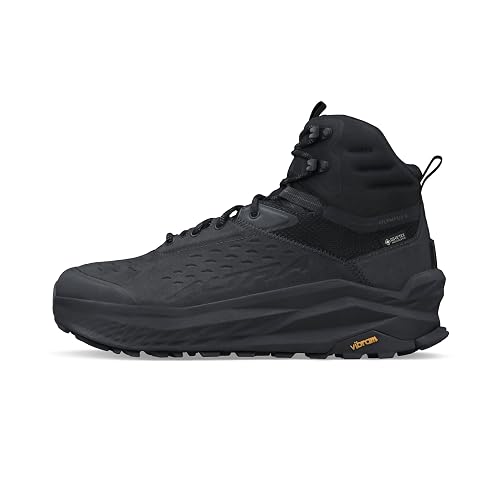
ALTRA Men's Olympus 6 Hike Mid GTX Hiking Shoe
The ALTRA Men’s Olympus 6 Hike Mid GTX is a hiking boot rather than a running shoe, with a higher collar and a Gore-Tex membrane. It suits runners who hike as much as they run or who face wet, cold conditions, but its heavier build makes it a poor match for fast trail running. For wet-weather alternatives in the running category, revisit 5 Best Altra Gore-Tex Trail Running Shoes for Wet Trails (2026).
The second option is a lighter, more road-oriented Altra model:

ALTRA Mens Provision 6
The ALTRA Mens Provision 6 is a zero-drop road-running shoe with the same brand philosophy and a more cushioned ride for pavement. It is a sensible choice for runners who spend most of their miles on hard surfaces and only occasionally venture onto trails. For a broader comparison of the women’s and men’s trail range, see Altra Trail Running Shoes Women: 7 Best Picks for Every Trail (2026) and Altra Experience Wild Trail Running Shoes: 3 Best Picks Compared.
FAQ
Are the altra olympus 6 trail running shoes good for beginners?
They can be, provided the runner accepts the zero-drop adaptation period. Beginners who arrive with a traditional heel-raised shoe should expect a few weeks of gradual transition. Starting with short, easy runs on soft terrain helps reduce the risk of calf or Achilles soreness.
Do the Olympus 6 shoes run wide?
The forefoot and toe box are generous, which is a core part of the design. Runners with wide feet usually find the fit comfortable. Runners with narrow feet may find the shoe roomy and should check heel lockdown carefully.
Are they waterproof?
No. The Olympus 6 uses a breathable mesh upper rather than a waterproof membrane. Water enters easily in rain or creek crossings, though owners often report the shoes drying reasonably quickly. For wet conditions, a waterproof model is the better choice.
Can I use them for road running?
They can handle occasional pavement, but they are built for trails. The lugs and cushioning are tuned for off-road surfaces, and the lugs can feel less smooth on hard asphalt. A road-focused shoe is a better fit for mostly paved routes.
Are they suitable for runners who overpronate?
Generally not. The Olympus 6 is neutral-oriented and lacks the structured support that overpronators often need. Runners with significant inward rolling should consult a running specialist and consider a stability model.
How long do trail shoes like this last?
Lifespan depends on mileage, terrain, and body weight. Abrasive rock wears outsoles faster than soft dirt. Many runners replace trail shoes based on midsole compression and outsole wear rather than a fixed mileage, so inspect yours regularly.
Should I consult a professional before switching to zero drop?
Yes, especially if you have a history of Achilles tendon, calf, or foot issues. A physical therapist, podiatrist, or running coach can help you plan a safe transition. This is general guidance and not a substitute for individual medical advice.
Final Verdict
The altra olympus 6 trail running shoes deliver what they promise: a roomy, zero-drop platform with cushioning suited to long trail efforts. They are an excellent match for wide-forefoot runners and anyone who wants a natural stride on mixed, non-technical terrain. They are less suitable for stability needs, wet-weather running, or runners who cannot commit to a gradual transition.
About Caleb Morgan
Caleb Morgan is part of our editorial team and reviews and edits our running gear & races guides, checking product details against manufacturer specifications and owner feedback.


