
 By Caleb Morgan
Updated November 2026
Altra trail running shoes men buyers often ask about first are fit, drop, and cushioning, since Altra builds its models around a zero-drop platform and a wide toe box. This list compares six current Altra men’s models using the criteria that matter most on the trail: stack height, outsole grip, upper security, and how well each shoe suits rugged versus runnable terrain. The picks are based on manufacturer specifications, listing details, and patterns in owner feedback. We did not run these shoes ourselves.
Our top picks at a glance
- 1
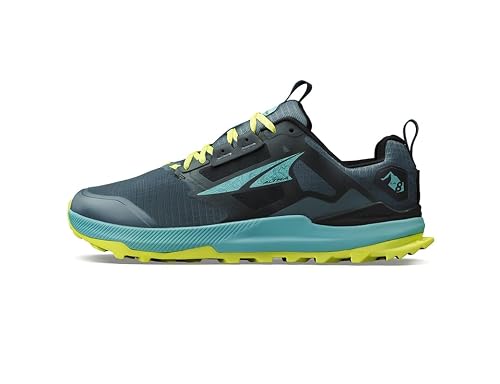 TOP CHOICEBest overallALTRA Men's Lone Peak 8 Trail Running ShoeView on Amazon
- 2
 TOP CHOICEBest for cushioned long runsALTRA Men's Olympus 6 Trail Running ShoeView on Amazon
- 3
 TOP CHOICEBest for technical rocky trailsALTRA Men's Experience Wild 2 Trail Running ShoeView on Amazon
- 4
 Best for fast trail racingALTRA Men's Superior 7 Trail Running ShoeView on Amazon
- 5
 Best for road-to-trail mileageALTRA Men's Escalante 4 Road Running ShoeView on Amazon
- 6
 Best for wet or muddy conditionsALTRA Men's TIMP 5 BOA Trail Running ShoeView on Amazon
Our Top Picks
Quick Comparison
| Product | Best for | Key feature |
|---|---|---|
| ALTRA Men’s Lone Peak 8 Trail Running Shoe | Overall trail use | Balanced cushioning and protection |
| ALTRA Men’s Olympus 6 Trail Running Shoe | Cushioned long runs | Plush, high-stack midsole |
| ALTRA Men’s Experience Wild 2 Trail Running Shoe | Technical rocky trails | Rock-protective underfoot design |
| ALTRA Men’s Superior 7 Trail Running Shoe | Fast trail racing | Lightweight, low-profile build |
| ALTRA Men’s Escalante 4 Road Running Shoe | Road-to-trail mileage | Smooth, versatile ride |
| ALTRA Men’s TIMP 5 BOA Trail Running Shoe | Wet or muddy conditions | BOA dial lacing system |
ALTRA Men’s Lone Peak 8 Trail Running Shoe
ALTRA Men's Lone Peak 8 Trail Running Shoe
Best for: Overall trail use
This is a practical starting point for runners who want one shoe for mixed trails, moderate climbs, and everyday training. Owners often describe its fit as roomy through the forefoot.
Pros
- Good balance of cushioning and ground feel
- Lugs provide reliable grip on dirt and gravel
Cons
- Less suited to very soft, deep mud
ALTRA Men’s Olympus 6 Trail Running Shoe
ALTRA Men's Olympus 6 Trail Running Shoe
Best for: Cushioned long runs
Designed for runners who log high weekly mileage and want more padding underfoot. Manufacturers position it for longer, steadier efforts on mixed terrain.
Pros
- Substantial cushioning for long sessions
- Stable platform on uneven ground
Cons
- Heavier than leaner trail models
ALTRA Men’s Experience Wild 2 Trail Running Shoe
ALTRA Men's Experience Wild 2 Trail Running Shoe
Best for: Technical rocky trails
Suited to runners who spend time on rocky, root-heavy paths where underfoot protection matters. Listing details emphasize foot protection and traction on uneven surfaces.
Pros
- Added protection from sharp rocks
- Aggressive outsole for technical footing
Cons
- Firmer feel may not suit every stride
ALTRA Men’s Superior 7 Trail Running Shoe
ALTRA Men's Superior 7 Trail Running Shoe
Best for: Fast trail racing
A lighter, lower-profile option for runners who prioritize speed and a closer feel to the ground on groomed or moderately technical trails.
Pros
- Lightweight build for quicker turnover
- Low stack keeps the ride responsive
Cons
- Less protection on very rough terrain
ALTRA Men’s Escalante 4 Road Running Shoe
ALTRA Men's Escalante 4 Road Running Shoe
Best for: Road-to-trail mileage
This road model is included for runners whose weekly mileage is mostly pavement with occasional trail sections. It keeps the zero-drop platform and wide toe box that Altra is known for.
Pros
- Smooth ride for long road miles
- Familiar Altra fit for transitioning runners
Cons
- Not built for loose or technical trail footing
Buying Guide
Terrain and Outsole Grip
Match the outsole to where you run most. Models with deeper, more aggressive lugs handle mud, loose gravel, and steep climbs better, while flatter lug patterns suit smoother dirt paths and mixed road-to-trail routes.
If you often run wet or technical ground, prioritize a grippy outsole over lighter weight, since traction matters more than saving a few ounces when footing gets unpredictable.
Stack Height and Cushioning
Altra’s zero-drop platform keeps the heel and forefoot level, but stack height still varies from model to model. Thicker midsoles add protection on long, rocky descents and can feel plush on extended runs.
Lower stack shoes give you more ground feel and a closer connection to the trail, which many runners prefer on technical single-track. Choose based on how much protection you want underfoot and how much terrain feedback you need.
Upper Security and Fit
Altra is known for a roomy toe box, which helps many runners with splayed or wide feet. Still, check how the upper locks your heel and midfoot in place, since a loose fit can cause slipping and blisters on steep or fast descents.
Consider whether you want a traditional laced closure or a dial system. Dial-based models can offer a more precise, even fit, especially for runners who adjust tension during a run.
Running Style and Intended Use
Think about the mix of surfaces you cover. A shoe built for rugged mountain trails can feel heavy and overbuilt on fast, runnable paths, while a lighter trainer may lack the protection and grip needed for rough ground.
If you split your time between trails and pavement, a versatile model with moderate cushioning and decent traction will likely serve you better than a single-purpose specialist.
Budget and Durability
Trail shoes wear out faster than road shoes because of abrasive surfaces and rough terrain. Set a budget you are comfortable with, then consider how often you run and how much wear you expect before replacing them.
Look for durable outsole rubber and reinforced uppers if you run frequently on rocky or debris-heavy routes, since these features can extend the useful life of the shoe.
FAQ
What does zero drop mean in Altra trail shoes?
Zero drop means the heel and forefoot sit at the same height, so there is no elevation difference between the two. This setup encourages a more natural foot position and can suit runners transitioning from minimal footwear. Anyone switching to zero drop should increase their mileage gradually to let the calves and Achilles adapt.
Are Altra trail running shoes good for wide feet?
Altra designs its fit with a wide, foot-shaped toe box, which many runners with broader forefeet find comfortable. Fit still varies by individual, so it helps to try shoes on and check for room in the toes and secure hold at the heel. Width needs differ, so measure your feet before ordering.
Which Altra model is best for rocky trails?
Models with deeper lugs and more protective underfoot cushioning generally perform best on rocky terrain. Look for a grippy outsole and a secure upper so your foot does not shift over uneven ground. Choose a shoe that balances protection with enough ground feel to place your feet accurately.
Can I use Altra trail shoes on the road?
Many trail shoes can handle short stretches of pavement, but they are not ideal for long road runs. Road-focused models offer smoother rides and lighter weight on hard surfaces. If you run mostly on asphalt, a dedicated road shoe will usually feel better and last longer.
How long do trail running shoes typically last?
Lifespan depends on terrain, running frequency, body weight, and running style. Trail shoes often wear faster than road shoes, especially on abrasive surfaces. Check the outsole for worn lugs and the midsole for compression, since these signs suggest it may be time to replace them.
Do I need a break-in period for Altra shoes?
Most runners find Altra shoes comfortable from the start, but a short break-in period helps your feet adjust to the zero-drop feel. Begin with shorter runs on varied terrain and gradually increase distance. Pay attention to any new pressure points or rubbing and address them early.
Conclusion
Runners who want a versatile, all-around trail shoe with good traction and a balanced feel should lean toward the overall top pick. Those tackling the most rugged, technical terrain will likely prefer a model with more protection and aggressive grip, while runners who mostly cover smoother trails or mixed routes may find a lighter option better suited to their pace.
If you split your time between pavement and dirt, a road-leaning Altra or a moderate trail model will serve you well. Match the shoe to your typical terrain and running style, and the right Altra pair will feel like a natural fit on your next run.
Related reading
- Saucony Trail Running Shoes Men: 6 Best Picks Compared (2026)
- Saucony Men's Trail Running Shoes: How to Choose the Right Pair (2026)
- Salomon Men's Speedcross 6 Trail Running Shoes Review: Is It Worth It?
- Salomon Men's Speedcross 6 GTX Trail Running Shoes Review (2026)
- On Men's Cloudvista 2 Trail Running Shoes Review: Is It Worth It?
- Nike Men's Juniper Trail 3 Running Shoes: Fit, Use and Who They Suit
About Caleb Morgan
Caleb Morgan is part of our editorial team and reviews and edits our running gear & races guides, checking product details against manufacturer specifications and owner feedback.


