
 By Caleb Morgan
Updated November 2026
Finding the right saucony trail running shoes men can use comes down to matching the shoe to your terrain, your stride and how far you plan to run. This list compares six Saucony trail models that cover a wide range of needs, from light, fast-feeling daily trainers to heavier, more protective options built for rocky and wet ground. We selected these picks by reviewing manufacturer specifications, brand reputation within trail running and patterns in owner feedback, focusing on outsole grip, cushioning, upper construction, weather protection and fit. Every pick below is an Amazon listing you can compare directly.
Our top picks at a glance
- 1
 TOP CHOICEBest overallSaucony Men's Peregrine 16 SneakerView on Amazon
- 2
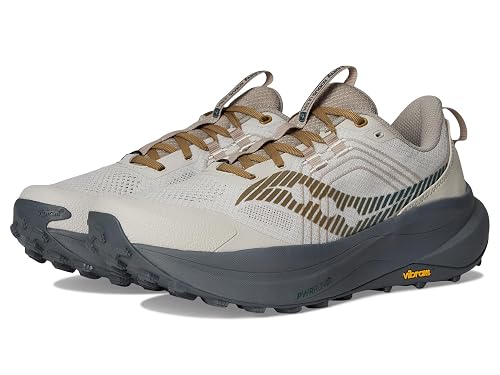 TOP CHOICEBest for rugged, technical terrainSaucony Men's Xodus Ultra 4View on Amazon
- 3
 TOP CHOICEBest for wet and cold conditionsSaucony Mens Excursion Tr18 GTXView on Amazon
- 4
 Best for road-to-trail mixed runsSaucony Men's Ride Tr2View on Amazon
- 5
 Best budget pickSaucony Men's Excursion TR16 Trail Running ShoeView on Amazon
- 6
 Best for simple, everyday trail useSaucony mens Excursion Tr15View on Amazon
Our Top Picks
Quick Comparison
| Product | Best for | Key feature |
|---|---|---|
| Saucony Men’s Peregrine 16 Sneaker | Overall trail performance | Versatile outsole grip for mixed terrain |
| Saucony Men’s Xodus Ultra 4 | Rugged, technical trails | Aggressive lugs and extra protection |
| Saucony Mens Excursion Tr18 GTX | Wet and cold conditions | Gore-Tex waterproof membrane |
| Saucony Men’s Ride Tr2 | Road-to-trail mixed runs | Cushioned ride with trail traction |
| Saucony Men’s Excursion TR16 Trail Running Shoe | Budget-conscious trail runners | Dependable everyday trail build |
| Saucony mens Excursion Tr15 | Simple, everyday trail use | Straightforward, comfortable fit |
Saucony Men’s Peregrine 16 Sneaker
Saucony Men's Peregrine 16 Sneaker
Best for: Overall trail performance across mixed surfaces
This is the most versatile option here for runners who move between dirt paths, gravel, packed singletrack and the occasional rocky section. It suits anyone who wants one shoe that handles most trail days without a specialized build.
Key specs
- Trail-focused lug outsole for multidirectional traction
- Designed for men’s trail running with a secure midfoot fit
- Built for trail use rather than road running
Pros
- Balanced grip across loose and firm surfaces
- Good fit for a wide range of distances
- Strong reputation within the Peregrine line for reliable trail performance
Cons
- May feel less protective than heavier models on very rocky descents
- Not a dedicated choice for deep mud or extended wet-weather running
Bottom line: The safest first pick for runners who want one trail shoe for most conditions. For more background on the line, see Saucony Peregrine Trail Running Shoes Review: Who Is It For?.
Saucony Men’s Xodus Ultra 4
Saucony Men's Xodus Ultra 4
Best for: Rugged, technical terrain and longer efforts
Runners who regularly tackle rocky, root-filled or uneven trails will get the most from this model. It is a stronger choice when protection and grip matter more than lightness.
Key specs
- Aggressive outsole designed for technical ground
- Protective build for uneven, rocky surfaces
- Designed for men’s trail and ultra-distance use
Pros
- Excellent grip on loose and technical sections
- Added underfoot protection on rough terrain
- Suited to long, demanding outings
Cons
- Heavier than lighter trail trainers, which can slow fast efforts
- Can feel firm for runners who prefer a softer ride
Bottom line: Pick this if your trails are technical and you value protection over speed. Compare it with Salomon Men's Speedcross 6 Trail Running Shoes Review: Is It Worth It? if you want another aggressive option.
Saucony Mens Excursion Tr18 GTX
Saucony Mens Excursion Tr18 GTX
Best for: Wet and cold conditions
This version adds waterproofing for runners who train in rain, snow melt or muddy seasons. It is a practical pick for anyone who needs dry feet more than maximum breathability.
Key specs
- GTX (Gore-Tex) waterproof construction
- Trail outsole for wet and loose surfaces
- Designed for men’s trail running
Pros
- Keeps water out during rain and wet puddles
- Useful for shoulder-season and winter running
- Traction suited to slick trail surfaces
Cons
- Waterproof uppers run warmer and breathe less than mesh models
- Can feel heavier in hot weather
Bottom line: The right choice for runners in wet climates who want to stay dry. For related guidance, read Gore Tex Mens Trail Running Shoes: 5 Best Picks for Wet Trails (2026).
Saucony Men’s Ride Tr2
Saucony Men's Ride Tr2
Best for: Road-to-trail mixed runs
Runners who split training between pavement and dirt paths will find this model comfortable on both. It works well for crushed gravel routes, park loops and easy trail sessions.
Key specs
- Cushioned platform for all-day comfort
- Trail outsole with moderate lug depth
- Designed for men’s neutral daily running
Pros
- Comfortable on both roads and trails
- Smooth transitions between surfaces
- Good choice for easy and recovery runs
Cons
- Less aggressive grip than dedicated technical trail shoes
- Not ideal for steep, muddy or very rocky terrain
Bottom line: A strong fit for road-leaning runners who occasionally head onto trails. Runners comparing options may also like Trail Running Shoes vs Running Shoes (2026): Which Is Better for Your Runs?.
Saucony Men’s Excursion TR16 Trail Running Shoe
Saucony Men's Excursion TR16 Trail Running Shoe
Best for: Budget-conscious trail runners
This is a practical entry point for runners starting out on trails or looking for a dependable second pair. It covers everyday trail routes without asking for a specialist build.
Key specs
- Trail outsole for everyday dirt and gravel
- Designed for men’s trail running
- Straightforward lacing and fit
Pros
- Accessible option for new trail runners
- Dependable grip on common trail surfaces
- Good backup pair for training rotation
Cons
- Fewer advanced features than premium models
- May not hold up as well on very technical or wet terrain
Bottom line: A sensible choice for beginners and budget-minded runners who mostly stay on maintained trails. For sizing questions, see Men's Trail Running Shoes Wide: How to Find a Pair That Fits Your Feet.
Saucony mens Excursion Tr15
Saucony mens Excursion Tr15
Best for: Simple, everyday trail use
Runners who want a no-frills trail shoe for regular easy outings will find this model fits the job. It is a good match for relaxed trail sessions rather than racing or extreme terrain.
Key specs
- Trail outsole suited to moderate terrain
- Designed for men’s trail running
- Comfortable everyday fit
Pros
- Simple, comfortable feel for regular use
- Reliable on standard trail surfaces
- Easy choice for casual trail runners
Cons
- Older generation, so newer features are not included
- Less suited to demanding technical routes
Bottom line: A good pick for runners who want a straightforward trail shoe for moderate routes. Compare it with the newer Saucony Trail Running Shoes Women: 6 Best Picks for Every Trail (2026) if you are also shopping across fits.
Buying Guide
Outsole Grip and Lug Pattern
Lug depth and pattern decide how a shoe bites into loose dirt, mud and rock. Deeper, more widely spaced lugs generally suit soft or technical ground, while shallower lugs feel better on hard-packed trails and mixed road sections.
Good picks for this: Saucony Men’s Xodus Ultra 4, Saucony Men’s Peregrine 16 Sneaker
Waterproofing Versus Breathability
Waterproof membranes keep water out but trap heat and moisture inside. If you run mostly in dry weather or heat, a mesh upper will usually feel better. If you regularly splash through puddles or run in cold, wet conditions, waterproofing is worth the tradeoff.
Good picks for this: Saucony Mens Excursion Tr18 GTX, Saucony Men’s Peregrine 16 Sneaker
Cushioning and Ride Feel
Midsole firmness changes how the shoe feels over long distances. Softer foams absorb more impact but can feel less stable on uneven ground. Firmer platforms give more ground feedback and responsiveness.
Good picks for this: Saucony Men’s Ride Tr2, Saucony Men’s Excursion TR16 Trail Running Shoe
Fit, Length and Width
Trail shoes should leave roughly a thumb’s width of space in front of your longest toe. Runners often size up half a size from their road shoes to allow for foot swelling on longer runs and downhill toe pressure. Check the width too, since a shoe that feels snug on pavement can feel tight once your feet swell.
Good picks for this: Saucony mens Excursion Tr15, Saucony Men’s Excursion TR16 Trail Running Shoe
Protection Against Rocks and Roots
Underfoot protection, sometimes called a rock plate, shields your feet from sharp ground. Protection adds some weight but reduces bruising on rough routes. Choose more protection for technical trails and less if you prefer a lighter, more flexible feel.
Good picks for this: Saucony Men’s Xodus Ultra 4, Saucony Men’s Peregrine 16 Sneaker
Durability and Intended Distance
Trail shoes wear faster than road shoes because of abrasive surfaces. Many runners replace trail shoes somewhere between several hundred miles, depending on terrain and running style. Shoes built for long, rugged use tend to hold up longer on demanding ground.
Good picks for this: Saucony Men’s Xodus Ultra 4, Saucony Mens Excursion Tr18 GTX
Care and Maintenance
Rinse mud off after runs and let shoes air-dry away from direct heat, which can warp foam and glue. Remove insoles to dry them separately. Waterproof models may lose some water repellency over time, so check the membrane and upper for wear. Consult the manufacturer’s care instructions for your specific model.
Good picks for this: Saucony Mens Excursion Tr18 GTX, Saucony mens Excursion Tr15
FAQ
Are Saucony trail running shoes good for beginners?
Yes. Models like the Saucony Men’s Excursion TR16 Trail Running Shoe are often recommended for newer trail runners because they offer dependable grip and a straightforward build without advanced features that take time to appreciate.
How do I know what size to order in trail shoes?
Many runners choose a half size up from their road shoes to account for foot swell and downhill toe pressure. Measure your feet later in the day, when they are at their largest, and check the brand’s size chart before ordering.
Should I choose waterproof or non-waterproof trail shoes?
Choose waterproof if you run regularly in rain, snow melt or wet terrain and want dry feet. Choose a breathable mesh model if you mostly run in dry or warm weather, since waterproof uppers can trap heat.
How long do trail running shoes last?
Lifespan depends on terrain, body weight, running style and foam type. Many runners replace trail shoes after several hundred miles, but worn outsole lugs, compressed midsoles and uneven wear are better signs than mileage alone.
Can I use trail shoes for road running?
You can, especially for mixed routes. Shoes with moderate lugs, such as the Saucony Men’s Ride Tr2, work well on both surfaces. Highly aggressive lugs can feel uncomfortable on pavement over longer distances.
What is the difference between trail shoes and running shoes?
Trail shoes have more aggressive outsoles, added underfoot protection and often more secure uppers to handle uneven ground. Road shoes prioritize smoothness and lighter weight on hard surfaces. For a deeper comparison, see Trail Running Shoes vs Running Shoes (2026): Which Is Better for Your Runs?.
Do I need special socks or insoles for trail running?
Not always, but moisture-wicking socks help prevent blisters on wet or dusty routes. If you have foot concerns, a podiatrist or sports medicine professional can advise on insoles and support.
Conclusion
For most runners, the Saucony Men’s Peregrine 16 Sneaker is the most versatile starting point across mixed trail surfaces. Runners on rocky, technical ground should look at the Saucony Men’s Xodus Ultra 4 for its added protection and grip. If wet weather is your main challenge, the Saucony Mens Excursion Tr18 GTX keeps feet dry. The Saucony Men’s Ride Tr2 suits runners who split time between roads and trails, while the Saucony Men’s Excursion TR16 Trail Running Shoe and Saucony mens Excursion Tr15 are sensible options for budget-minded and everyday trail use. Match the shoe to your terrain first, then fine-tune for fit.
Sources
- Guidance on physical activity levels, including outdoor exercise and safety considerations (cdc.gov)
- Research summaries on running biomechanics, footwear and injury prevention (nih.gov)
- Position statements and resources on exercise footwear and training safety (acsm.org)
About Caleb Morgan
Caleb Morgan is part of our editorial team and reviews and edits our running gear & races guides, checking product details against manufacturer specifications and owner feedback.




