
 By Caleb Morgan
Updated November 2026
Looking for the best running tennis shoes for women usually comes down to a balance between lightweight cushioning, a secure fit and grip on the surfaces you actually train on. This list compares five options against those criteria: midsole support, upper fit and breathability, outsole traction, and how well each model suits a specific type of runner or walker.
Our top picks at a glance
- 1
 TOP CHOICEBest overallNew Balance Women's Fresh Foam 520 V9 Running ShoesView on Amazon
- 2
 TOP CHOICEBest for road runningNike Women's Run Defy Road Running ShoesView on Amazon
- 3
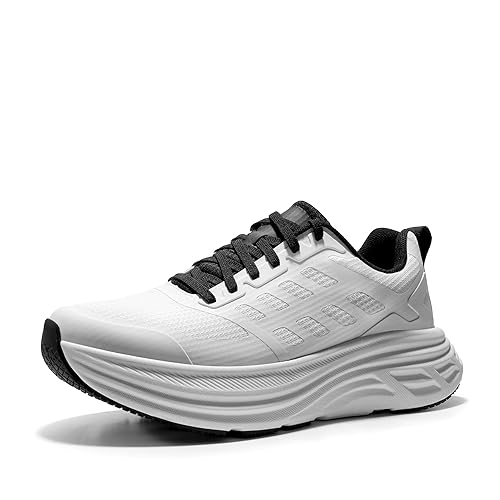 TOP CHOICEBest for all-day standingNORTIV 8 Women's Walking Shoes Running Tennis SneakersView on Amazon
- 4
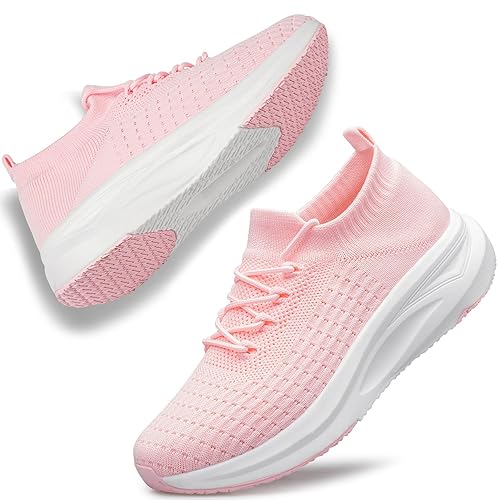 Best for easy on-and-offYHOON Womens Slip on Walking Shoes Comfort Sock ShoesView on Amazon
- 5
 Best for gym and mixed useRunning Shoes for Women Men Tennis Walking Gym Workout SneakersView on Amazon
Our Top Picks
Quick Comparison
| Product | Best for | Key feature |
|---|---|---|
| New Balance Women’s Fresh Foam 520 V9 Running Shoes | Overall daily running | Cushioned foam midsole |
| Nike Women’s Run Defy Road Running Shoes | Road running | Lightweight responsive feel |
| NORTIV 8 Women’s Walking Shoes Running Tennis Sneakers | All-day standing | Supportive padded insole |
| YHOON Womens Slip on Walking Shoes Comfort Sock Shoes | Easy on-and-off wear | Slip-on sock-style fit |
| Running Shoes for Women Men Tennis Walking Gym Workout Sneakers | Gym and mixed training | Versatile flexible sole |
New Balance Women’s Fresh Foam 520 V9 Running Shoes
New Balance Women's Fresh Foam 520 V9 Running Shoes
Best for: Overall daily running
This is a fit for runners who want a dependable, cushioned daily trainer and value a stable, familiar ride over a racing feel.
Pros
- Soft Fresh Foam cushioning for longer runs
- Supportive, secure heel fit
Cons
- Heavier than racing-focused models
Nike Women’s Run Defy Road Running Shoes
Nike Women's Run Defy Road Running Shoes
Best for: Road running
Suited to runners who log most of their miles on pavement and want a light, springy shoe for tempo sessions and steady efforts.
Pros
- Light weight for faster paces
- Responsive, energetic toe-off
Cons
- Less cushioning for very high mileage
NORTIV 8 Women’s Walking Shoes Running Tennis Sneakers
NORTIV 8 Women's Walking Shoes Running Tennis Sneakers
Best for: All-day standing
A practical choice for those on their feet for long shifts or walking-heavy days who still want a sneaker that handles light running.
Pros
- Padded insole for all-day comfort
- Flexible, lightweight upper
Cons
- Not built for sustained fast running
YHOON Womens Slip on Walking Shoes Comfort Sock Shoes
YHOON Womens Slip on Walking Shoes Comfort Sock Shoes Non Slip Mesh Casual Running Sneakers
Best for: Easy on-and-off wear
Owners often describe this style as a convenient option for quick errands, casual walks and recovery days when lacing up feels like a hassle.
Pros
- No laces, quick to put on
- Sock-like stretch fit
Cons
- Less lockdown for fast or technical running
Running Shoes for Women Men Tennis Walking Gym Workout Sneakers
Running Shoes for Women Men Tennis Walking Gym Workout Sneakers
Best for: Gym and mixed training
Aimed at people who move between treadmill runs, weight sessions and walking, and want one shoe that doesn’t feel out of place in any of them.
Pros
- Versatile flexible sole
- Breathable upper for indoor sessions
Cons
- Cushioning is modest for long road miles
Buying Guide
Cushioning level
Match cushioning to your weekly mileage. Higher-stack foam suits long easy runs, while firmer, lighter midsoles favor speed and short sessions.
Fit and width
Check that the heel locks in without slipping and that the toe box leaves about a thumb’s width of space. Many women find that narrower heels with a roomier forefoot work best.
Outsole traction
Pavement and indoor treadmill use need only a modest tread, while wet or mixed surfaces call for deeper lugs and a grippier rubber compound.
Breathability and weight
Engineered mesh uppers help keep feet cool during warm workouts, and lighter shoes generally feel less tiring over long distances.
Good picks for this: New Balance Women’s Fresh Foam 520 V9 Running Shoes and Nike Women’s Run Defy Road Running Shoes
FAQ
Can tennis shoes be used for running?
Some tennis-style shoes work for light running, but purpose-built running shoes usually offer better cushioning and a more flexible forefoot for repetitive impact.
How often should I replace running shoes?
Many manufacturers suggest replacing running shoes roughly every 300 to 500 miles, though this varies with body weight, surface and running form.
Related reading
- Nike Tennis Shoes Women Running: 5 Best Picks for Road Miles (2026)
- Women's Trail Running Shoes ASICS: 3 Best Picks for Every Trail (2026)
- Top 5 Running New Balance Shoes Womens Worth Considering in 2026
- Speedcross 6 Trail Running Shoes Women's: 5 Best Picks for Every Trail (2026)
About Caleb Morgan
Caleb Morgan is part of our editorial team and reviews and edits our running gear & races guides, checking product details against manufacturer specifications and owner feedback.


