
 By Caleb Morgan
Updated November 2026
Choosing the best sports running shoes comes down to matching the shoe to how you run: your daily mileage, your stride, and the surfaces you cover. This list compares seven widely available pairs on fit, cushioning, stability and everyday durability, drawing on manufacturer specifications, brand reputation and common owner feedback. Nothing here is based on our own lab or wear testing.
Our top picks at a glance
- 1
 TOP CHOICEBest overallNike Men's Revolution 8 Road Running ShoesView on Amazon
- 2
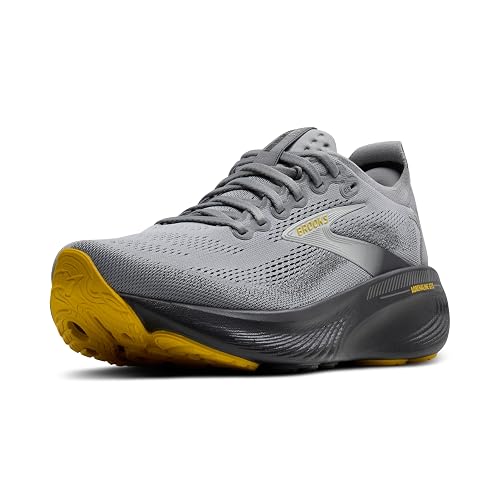 TOP CHOICEBest for stabilityBrooks Men's Adrenaline GTS 25 Running ShoeView on Amazon
- 3
 TOP CHOICEBest for cushioned daily milesBrooks Men's Ghost 18 Running ShoeView on Amazon
- 4
 Best for wide feetadidas Mens Runfalcon 5 Wide Running Sneakers Shoes – BlackView on Amazon
- 5
 Best for speed sessionsNike Men's Run Defy Road Running ShoesView on Amazon
- 6
 Best for gym-to-track useUnder Armour Men's Charged Assert 9 Running ShoeView on Amazon
- 7
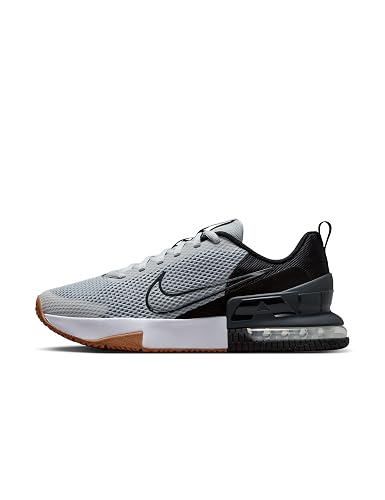 Best for cross-trainingNike Men's Air Max Alpha Trainer 6 Workout ShoesView on Amazon
Our Top Picks
| Product | Best for | Key feature |
|---|---|---|
| Nike Men’s Revolution 8 Road Running Shoes | Everyday road running | Lightweight, flexible upper |
| Brooks Men’s Adrenaline GTS 25 Running Shoe | Stability needs | Guided support system |
| Brooks Men’s Ghost 18 Running Shoe | Cushioned daily miles | Soft, balanced cushioning |
| Under Armour Men’s Charged Assert 9 Running Shoe | Gym-to-track use | Versatile, light build |
| Nike Men’s Run Defy Road Running Shoes | Speed sessions | Responsive, low-profile feel |
| Nike Men’s Air Max Alpha Trainer 6 Workout Shoes | Cross-training | Stable, flat platform |
| adidas Mens Runfalcon 5 Wide Running Sneakers Shoes – Black | Wide feet | Extra-wide fit option |
Nike Men’s Revolution 8 Road Running Shoes
Nike Men's Revolution 8 Road Running Shoes
Best for: Everyday road running
This is a practical choice for runners logging steady weekly miles who want a light, uncomplicated ride without paying for features they will not use.
Pros
- Light, flexible upper that feels unrestrictive
- Simple, versatile design for most road routes
Cons
- Less cushioning than plusher daily trainers
Brooks Men’s Adrenaline GTS 25 Running Shoe
Brooks Men's Adrenaline GTS 25 Running Shoe
Best for: Stability needs
Suited to runners who notice inward rolling of the foot or want extra guidance through a long run. Brooks’ GTS line is widely known in the stability category.
Pros
- Guided support system designed to limit excess motion
- Well-established brand reputation in stability running
Cons
- Heavier feel than neutral daily trainers
Brooks Men’s Ghost 18 Running Shoe
Brooks Men’s Ghost 18 Running Shoe
Best for: Cushioned daily miles
A good fit for runners who want soft, consistent cushioning on most training days and a balanced ride from heel to toe.
Pros
- Soft, balanced cushioning for long easy runs
- Smooth transition through the stride
Cons
- Can feel bulky for faster, shorter efforts
Under Armour Men’s Charged Assert 9 Running Shoe
Under Armour Men's Charged Assert 9 Running Shoe
Best for: Gym-to-track use
For those who split time between treadmill sessions, weights and short outdoor runs and want one shoe that handles all of it.
Pros
- Versatile build for mixed training
- Lightweight feel for short sessions
Cons
- Not built for high-mileage marathon training
Nike Men’s Run Defy Road Running Shoes
Nike Men's Run Defy Road Running Shoes
Best for: Speed sessions
Aimed at runners who do tempo work, intervals or race-pace efforts and want a responsive, lower-profile feel underfoot.
Pros
- Responsive feel suited to faster paces
- Low-profile ride for quick turnover
Cons
- Less forgiving on very long, slow runs
Nike Men’s Air Max Alpha Trainer 6 Workout Shoes
Nike Men's Air Max Alpha Trainer 6 Workout Shoes
Best for: Cross-training
A fit for athletes who run in short bursts but spend much of their time on lifts, circuits and court or field drills.
Pros
- Stable, flat platform for lifting and lateral work
- Supportive for mixed training sessions
Cons
- Not designed for long-distance road mileage
Buying Guide
Match the Shoe to Your Mileage and Running Style
Daily training miles call for a durable, comfortable shoe you can wear most days without feeling beat up. Race-day efforts often reward a lighter, more responsive shoe, so think about whether you need one shoe for everything or separate pairs for training and racing.
If you tend to run long distances, prioritize cushioning and a secure, comfortable fit over outright lightness.
Consider Stability and Support Needs
Some runners overpronate, meaning the foot rolls inward more than average, while others run with a neutral stride. Stability shoes add structure to help guide the foot, and neutral shoes allow a more natural motion. If you are unsure, a specialty running store can assess your gait before you buy.
Pay attention to how your ankles and knees feel after runs, since that can signal whether you need more support.
Evaluate Cushioning and Ride Feel
Cushioning ranges from soft and plush to firm and responsive. Plush cushioning can feel comfortable on long, slow miles, while a firmer ride may feel snappier at faster paces. Choose the feel that matches the type of running you do most often.
Try to focus on how the shoe feels during a walk and a short jog, since this gives a good sense of its overall ride.
Check Fit, Width and Toe Box Space
A good running shoe should feel snug in the heel and have enough room in the toe box so your toes can spread out. Feet tend to swell during longer runs, so shoes that feel slightly roomy at the start of the day often work best. Several models here come in wider options, which can help runners with broader feet.
Always test shoes at the end of the day or after a run if possible, and wear the socks you typically run in.
Think About Surface and Durability
Road running shoes are designed for pavement and paved trails, while trail shoes offer more grip and protection on dirt and rocky ground. Outsole rubber and upper materials affect how long a shoe lasts, so consider how often you run and on what surfaces. Many runners replace shoes every few hundred miles, though this varies with body weight, stride and terrain.
FAQ
How often should I replace my running shoes?
Many runners replace their shoes roughly every 300 to 500 miles, though this depends on your body weight, running style and the surfaces you cover. Signs of wear include visibly compressed cushioning, worn outsole tread, or new aches after runs. Keeping a simple log of your mileage can help you track when a pair is due for replacement.
Do I need a stability shoe if I have flat feet?
Not necessarily, since flat feet do not automatically mean you need stability support. Some runners with flat feet are comfortable in neutral shoes, while others feel better in stability models. A running specialist or your own comfort during runs can help you decide.
Can I use one pair of shoes for both daily runs and races?
Yes, many runners use one versatile shoe for both training and racing, especially if they are not chasing top speeds. Some runners prefer a lighter racing shoe for key events and a more durable pair for everyday miles. Choose based on how much you race and how important race-day speed is to you.
Are wide-fit running shoes worth considering?
Wide-fit options can make a big difference if you feel pressure on the sides of your feet or cramped toes in standard widths. Several shoes in this list are available in wider sizing, which can improve comfort on longer runs. Trying shoes on in person or checking fit guides before buying is a good way to confirm.
Conclusion
If you want a versatile, comfortable shoe for daily miles, the Nike Revolution 8 is a practical starting point, while runners who need extra support may prefer the Brooks Adrenaline GTS 25. Those seeking a cushioned, smooth ride for longer efforts can consider the Brooks Ghost 18, and runners wanting a wider or more supportive fit may look at the adidas Runfalcon 5 Wide.
For cross-training, gym work or lighter running, the Nike Air Max Alpha Trainer 6 and Nike Run Defy are worth a look, and the Under Armour Charged Assert 9 suits runners who want a simple, reliable everyday option.
Related reading
- 6 Best Sports Shoes for Men Running: Our Picks Compared (2026)
- 6 Best Nike Running Sports Shoes for Women: Our Picks for Road Miles
- 3 Best Adidas Sports Shoes Runnings for Men (2026)
- Women's Trail Running Shoes ASICS: 3 Best Picks for Every Trail (2026)
- Winter Running Trail Shoes: 6 Best Picks for Cold, Wet Trails (2026)
- Trail Running Shoes for Overpronators: 6 Best Picks for Every Trail (2026)
About Caleb Morgan
Caleb Morgan is part of our editorial team and reviews and edits our running gear & races guides, checking product details against manufacturer specifications and owner feedback.


