
 By Caleb Morgan
Updated November 2026
Finding good running shoes woman runners actually stick with comes down to fit, cushioning, support and how you plan to use them. This list compares seven options by the criteria that matter most: foot shape and stability needs, cushioning level, weight, terrain and durability. Each pick is drawn from product listings, brand specifications and common owner feedback patterns.
Our top picks at a glance
- 1
 TOP CHOICEBest overallUnder Armour Women's Charged Surge 4 Running ShoeView on Amazon
- 2
 TOP CHOICEBest for trailsASICS Women's Gel-Venture 11 Trail Running ShoesView on Amazon
- 3
 TOP CHOICEBest for speed workASICS Women's Gel-Excite 11 Running ShoesView on Amazon
- 4
 Best for soft cushioningNew Balance Women's Fresh Foam Roav Running ShoeView on Amazon
- 5
 Best for stabilityBrooks Women's Adrenaline GTS 25 Running ShoeView on Amazon
- 6
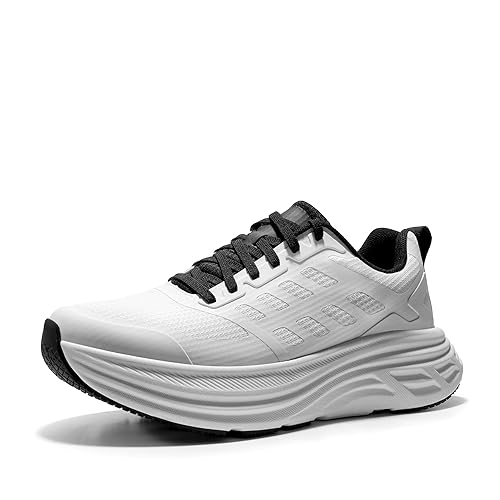 Best for walk-run daysNORTIV 8 Women's Walking Shoes Running Tennis SneakersView on Amazon
- 7
 Best for easy on and offWomens Slip On Running Sneakers Walking Tennis ShoesView on Amazon
Our Top Picks
Quick Comparison
| Product | Best for | Key feature |
|---|---|---|
| Under Armour Women’s Charged Surge 4 Running Shoe | Everyday road running | Balanced daily cushioning |
| ASICS Women’s Gel-Venture 11 Trail Running Shoes | Trail running | Outsole grip on loose dirt |
| ASICS Women’s Gel-Excite 11 Running Shoes | Speed work | Lightweight responsive feel |
| New Balance Women’s Fresh Foam Roav Running Shoe | Soft cushioning | Plush midsole foam |
| Brooks Women’s Adrenaline GTS 25 Running Shoe | Stability needs | Guidance support system |
| NORTIV 8 Women’s Walking Shoes Running Tennis Sneakers | Walk-run days | Light, flexible upper |
| Womens Slip On Running Sneakers Walking Tennis Shoes | Quick daily wear | No-lace slip-on design |
Under Armour Women’s Charged Surge 4 Running Shoe
Under Armour Women's Charged Surge 4 Running Shoe
Best for: Everyday road running
A versatile choice for runners logging consistent miles on pavement and track who want one shoe for most sessions.
Pros
- Balanced cushioning for daily training
- Secure heel fit in owner reports
Cons
- Less plush than dedicated max-cushion models
ASICS Women’s Gel-Venture 11 Trail Running Shoes
ASICS Women's Gel-Venture 11 Trail Running Shoes
Best for: Trail running
Suited to runners heading onto dirt paths, gravel and mixed terrain where traction matters more than road-level flexibility. A related read: 7 Best High Performance Running Shoes for Every Run (2026).
Pros
- Lugged outsole suited to loose surfaces
- Protective feel over uneven ground
Cons
- Heavier than road shoes for fast pavement running
ASICS Women’s Gel-Excite 11 Running Shoes
ASICS Women's Gel-Excite 11 Running Shoes
Best for: Speed work
A good fit for runners who prioritize a light, responsive feel during intervals, tempo runs and race-pace efforts.
Pros
- Lightweight construction for quicker turnover
- Responsive ride for faster sessions
Cons
- Less cushioning for very long easy runs
New Balance Women’s Fresh Foam Roav Running Shoe
New Balance Women's Fresh Foam Roav Running Shoe
Best for: Soft cushioning
Aimed at runners who want a plush, comfortable ride for recovery days and longer, slower miles.
Pros
- Soft Fresh Foam midsole feel
- Comfortable for extended wear in owner reports
Cons
- Can feel heavy during fast efforts
Brooks Women’s Adrenaline GTS 25 Running Shoe
Brooks Women's Adrenaline GTS 25 Running Shoe
Best for: Stability needs
Designed for runners who tend to overpronate or want added guidance support on longer runs.
Pros
- Guidance support helps control inward motion
- Stable platform for long distances
Cons
- Firmer feel than neutral cushioned models
NORTIV 8 Women’s Walking Shoes Running Tennis Sneakers
NORTIV 8 Women's Walking Shoes Running Tennis Sneakers
Best for: Walk-run days
Suits people who mix walking, gym sessions and light running in one pair of versatile sneakers.
Pros
- Light, flexible upper
- Works for both walking and casual running
Cons
- Not built for serious long-distance training
Buying Guide
Fit and Foot Shape
The most important factor is how a shoe fits your foot. Look for enough room in the toe box, a secure heel that doesn’t slip, and a width that matches your foot. Try shoes on later in the day, when your feet are slightly swollen, and wear the socks you plan to run in.
Many brands offer wide or narrow versions, so check the width options before you buy.
Cushioning Level
Cushioning affects comfort and how your legs feel over longer distances. Softer, more cushioned shoes suit high-mileage training and runners who want extra protection, while firmer, lighter shoes can feel more responsive for shorter runs or faster workouts.
If you are new to running, a moderate to high level of cushioning is usually a comfortable starting point.
Stability and Support
Some runners overpronate, meaning the foot rolls inward more than expected. Stability shoes are designed to guide the foot and help control that motion. Neutral shoes suit runners whose feet move naturally without much rolling.
If you are unsure, a visit to a running specialty store for a gait assessment can help you decide.
Terrain and Intended Use
Think about where you will run most often. Road running shoes generally have smoother soles for pavement and treadmills, while trail shoes add deeper lugs for grip on dirt, mud and loose rock. Walking and everyday shoes often prioritize comfort and flexibility over the traction and support needed for running.
Weight and Durability
Lighter shoes can feel more agile, but heavier models often provide more cushioning and structure. Check the outsole and midsole materials as well, since they influence how long a pair will last. Runners who log many miles each week may want a durable outsole and a midsole that holds up well over time.
FAQ
How often should I replace my running shoes?
Most running shoes lose their cushioning and support after roughly 300 to 500 miles, though this varies by shoe, body weight and running style. Signs of wear include visible creasing in the midsole, uneven tread, or new aches in your feet, shins or knees. Tracking your mileage can help you know when it is time for a new pair.
Should I buy running shoes a half size larger?
Many runners choose a half size up to allow room for feet to swell during longer runs. The right size should leave about a thumbnail’s width of space at the front of the shoe. Always test the fit with a short run or walk in the store if possible.
Can I use running shoes for walking?
Running shoes can work well for walking, especially those with good cushioning and flexibility. However, dedicated walking shoes are often designed with a smoother heel-to-toe rocker that suits the walking motion. Choose whichever feels most comfortable for the activity you do most.
Do I need trail shoes if I only run on roads sometimes?
Trail shoes are best for off-road routes with uneven ground, mud or loose surfaces. If you mostly run on pavement, a road running shoe will usually be more comfortable and suitable. Occasional light trail use may be fine in a road shoe, but frequent rough terrain calls for a trail-specific design.
Are stability shoes necessary for every runner?
No. Stability shoes are helpful for runners who overpronate, but many runners do well in neutral shoes. A gait analysis or the guidance of a running specialist can help you determine which type suits your stride.
Conclusion
For most runners looking for a versatile, comfortable daily trainer, the top overall pick is a strong starting point, while trail-focused runners should lean toward the trail option with better grip. Those who want a smooth, supportive ride for longer road miles may prefer the cushioned and stability-oriented models in this list.
Casual walkers and anyone wanting easy slip-on convenience will find the more budget-friendly and walking-focused options a practical fit for everyday wear.
Related reading
- Women's Trail Running Shoes ASICS: 3 Best Picks for Every Trail (2026)
- Winter Running Trail Shoes: 6 Best Picks for Cold, Wet Trails (2026)
- Trail Running Shoes for Overpronators: 6 Best Picks for Every Trail (2026)
- Trail Running Shoes for Mixed Terrain: 6 Best Picks for Every Trail (2026)
- Trail Running Shoes Vibram: 3 Best Picks for Every Trail (2026)
About Caleb Morgan
Caleb Morgan is part of our editorial team and reviews and edits our running gear & races guides, checking product details against manufacturer specifications and owner feedback.


