 By Owen Palmer
Updated November 2026
A hydration running belt with bottles keeps water within reach on runs where a handheld bottle gets in the way or a hydration pack feels like too much. This list is built from manufacturer specifications, brand reputation and common owner feedback about fit, bounce, flask size and pocket space. Each pick is matched to a specific need so you can choose by how you run rather than by a single ranking.
Our top picks at a glance
- 1
 TOP CHOICEBest overallFitletic Hydra 16 Hydration Running Belt with 2 Water BottlesView on Amazon
- 2
 TOP CHOICEBest for race-day hydrationNathan Peak Running Hydration Waist Pack Belt w/ Speed Draw Flask Water BottleView on Amazon
- 3
 TOP CHOICEBest for trail storageNathan Running Belt Hydration with Flasks, Storage Pockets, Trail Mix PlusView on Amazon
- 4
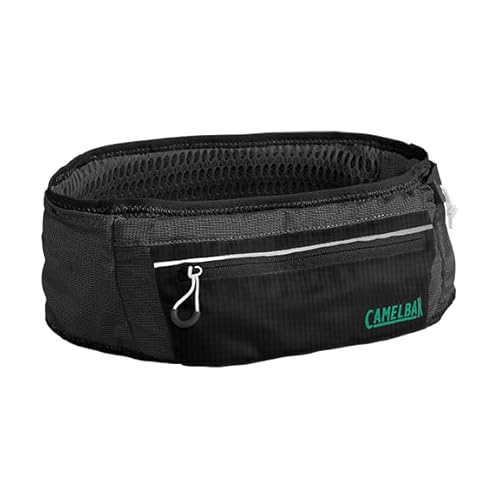
 Best for a minimal fitCamelBak Ultra Running Hydration Belt with 17oz Quick Stow FlaskView on Amazon
- 5
 Best for phone carryQ-RUN Hydration Running Belt with Bottles, Water Belt for Woman and MenView on Amazon
- 6
 Best for all-day wearSalomon Unisex Active Bottle Belt, Storage and Hydration BeltView on Amazon
Our Top Picks
| Product | Best for | Key feature |
|---|---|---|
| Fitletic Hydra 16 Hydration Running Belt | Everyday runs | Two bottles, no-bounce fit |
| Nathan Peak Running Hydration Waist Pack Belt | Race-day hydration | 18 oz flask, push-pull cap |
| Nathan Running Belt Hydration with Flasks | Trail storage | Expandable pockets for gear |
| CamelBak Ultra Running Hydration Belt | Minimal fit | 17 oz quick-stow flask |
| Q-RUN Hydration Running Belt with Bottles | Phone carry | Fits most phone sizes |
| Salomon Unisex Active Bottle Belt | All-day wear | Storage plus bottle carry |
Fitletic Hydra 16 Hydration Running Belt with 2 Water Bottles
Water-resistant 8 x 4 in phone pouch fits iPhone Pro Max and Samsung Galaxy Ultra series; no-bounce fit with 16 oz hydration Fitletic Hydra 16 Hydration Running Belt with 2 Water Bottles
Best for: Everyday runs where you want water and a phone on hand.
This belt suits runners doing moderate-distance training who want a secure, lightweight carry without a full vest. The manufacturer lists a 16 oz hydration capacity and an 8 x 4 in phone pouch sized for large phones.
Pros
- Designed for a no-bounce fit during runs
- Water-resistant phone pouch
Cons
- Limited space for extra gear on long outings
Nathan Peak Running Hydration Waist Pack Belt w/ Speed Draw Flask Water Bottle
Nathan Peak Running Hydration Waist Pack Belt w/ Speed Draw Flask Water Bottle, 18oz/535 ml Push/Pull Race Cap, Expandable Zippered Stretch Pocket
Best for: Race-day hydration on half marathons and longer events. We also found Top 5 Instinct Trail Running Belts with Storage for Every Run useful on this point.
Runners who want a quick grab-and-drink flask during a race will find the push-pull cap practical. The listing specifies an 18 oz (535 ml) flask and an expandable zippered pocket. For a deeper look, 6 Best Raide UL 1L Running Belts for Every Run (2026) covers this in detail.
Pros
- Push-pull cap for one-handed drinking
- Expandable pocket for gels
Cons
- Pocket can feel snug when the flask is full
Nathan Running Belt Hydration with Flasks, Storage Pockets, Trail Mix Plus
Nathan Running Belt Hydration with Flasks, Storage Pockets, Trail Mix Plus, Running Water Bottle Belt, Insulated, Walking, Hiking
Best for: Trail runs and hikes where you carry food and layers.
This option fits runners who need more storage than a standard running belt offers. It is also marketed for walking and hiking, which makes it useful for mixed-terrain days.
Pros
- Multiple storage pockets for food and small items
- Insulated bottle options listed by the brand
Cons
- Heavier than minimal belts when fully loaded
CamelBak Ultra Running Hydration Belt with 17oz Quick Stow Flask
CamelBak Ultra Running Hydration Belt with 17oz Quick Stow Flask, Lightweight Minimal Waist Pack for Running
Best for: Runners who want a lightweight, minimal waist carry.
This belt is aimed at runners who want water without a bulky harness. The 17 oz quick-stow flask is designed to sit close to the body during movement.
Pros
- Lightweight, minimal design
- Quick-stow flask for easy refills
Cons
- Little room for extra gear
Q-RUN Hydration Running Belt with Bottles, Water Belt for Woman and Men
Q-RUN Hydration Running Belt with Bottles – Water Belts for Woman and Men – iPhone Belt for Any Phone Size – Fuel Marathon Waist Pouch for Runners – Jogging Cycling Biking, Purple
Best for: Runners who want to carry a phone alongside water.
This belt is positioned for people who need a phone pocket sized for most models. It is marketed for running, jogging and cycling, so it works across several activities.
Pros
- Phone pocket listed for most phone sizes
- Unisex sizing options
Cons
- Owners often mention the fit needs adjusting for a secure hold
Salomon Unisex Active Bottle Belt, Storage and Hydration Belt
Salomon Unisex Active Bottle Belt, Storage & Hydration Belt
Best for: All-day wear on walks, hikes and training runs.
Salomon is known for trail and active gear, and this belt suits people who want a durable carry for bottles and small items. It is a practical option for longer days outdoors.
Pros
- Combines bottle carry with storage
- Well-established brand in trail equipment
Cons
- Less specialized for racing than dedicated running belts
Buying Guide
Bottle Size and Capacity
Start with how long your runs are and how much fluid you need. Shorter outings often need only a single small flask, while longer training runs or races call for larger bottles or a belt that holds two. Check the stated flask size against your typical hydration needs before you buy.
Fit and Bounce Control
A running belt should sit snugly at the waist without digging in or shifting as you move. Look for adjustable straps, stretch panels, or a design described as minimal bounce. A belt that stays put lets you run comfortably and keeps the bottles from thumping against your hips.
Storage Pockets and Phone Compatibility
Consider what else you carry, such as keys, gels, a phone, or snacks. Zippered and expandable pockets help keep small items secure, and a water-resistant pouch sized for larger phones can protect your device in rain or sweat. Confirm that the pocket dimensions fit your specific phone model.
Bottle Access and Ease of Use
Think about how easily you can grab and return a bottle while running. Push-pull caps, quick-stow flasks, and bottles positioned at the side or back can make drinking smoother and reduce the need to slow down. Test the access style that feels most natural to you.
Material, Weight, and Breathability
Lightweight, moisture-wicking fabrics help the belt stay comfortable during long efforts and in warm weather. A minimal design adds less weight to your waist, which many runners prefer for speed work. Choose materials that dry quickly and hold up to sweat and repeated washing.
FAQ
Is a hydration running belt with bottles comfortable for long runs?
Many runners find these belts comfortable for long distances, especially models with a snug, minimal-bounce fit. Comfort depends on the belt’s weight, strap adjustment, and how well it stays in place. Trying a belt on a few training runs before a race is a good way to confirm it suits you.
Can I use a running belt with bottles for hiking or walking?
Some belts are designed to work across running, walking, and hiking, and their pockets and bottle holders can be useful on those outings too. Check the product description to confirm it is suited to the activity you have in mind. Belts made mainly for running may feel less stable on uneven terrain.
Will a waist belt hold a large phone securely?
Many running belts include a pouch sized for large smartphones, but fit varies by model and case thickness. Measure your phone with its case and compare that to the pouch dimensions listed. A zippered or water-resistant pocket helps keep the phone secure while you move.
How do I keep a hydration belt from bouncing?
Adjust the waistband so it is snug but not restrictive, and make sure bottles are seated firmly in their holders. Filling bottles only as much as you need can also reduce sloshing and movement. Belts with stretch panels or a minimal design tend to stay steadier during faster running.
How should I clean a running belt with bottles?
Rinse bottles and the belt after each use, especially after sweaty or long runs. Hand-washing with mild soap and letting everything air dry helps prevent odor and wear. Check the care instructions for any specific washing guidance from the manufacturer.
Conclusion
Runners who want a secure, comfortable setup for everyday training will find several options that match a range of needs, from minimal designs to larger capacity belts. Choose a model based on your typical run length, how much you need to carry, and the fit that feels most stable for you.
Race-day and long-distance runners who need more fluid and storage should look at belts with larger bottles and expandable pockets, while those who prefer a light, low-profile feel may do better with a minimal waist pack. Match the belt to your routine and test it on a few runs before committing to your main choice.
Related reading
- Types of Running Hydration Belt: 4 Styles and Who Each Suits
- Running with Hydration Belt: 7 Steps to Stay Hydrated on Every Run
- 7 Best Nike Running Belt Water Bottle Options for Every Run (2026)
About Owen Palmer
Owen Palmer is part of our editorial team and reviews and edits our running gear & races guides, checking product details against manufacturer specifications and owner feedback.